Frequently Asked Questions
Can a sewer line be repaired?
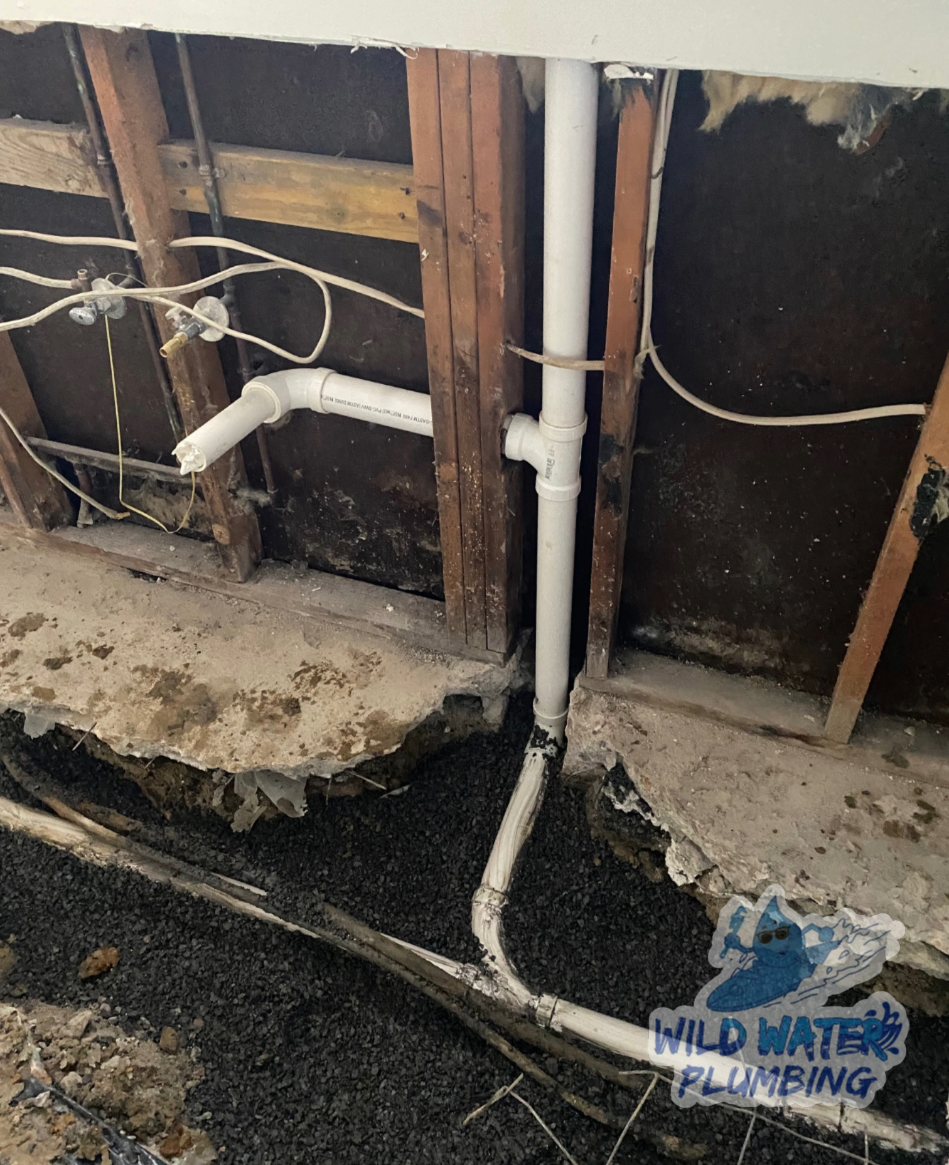
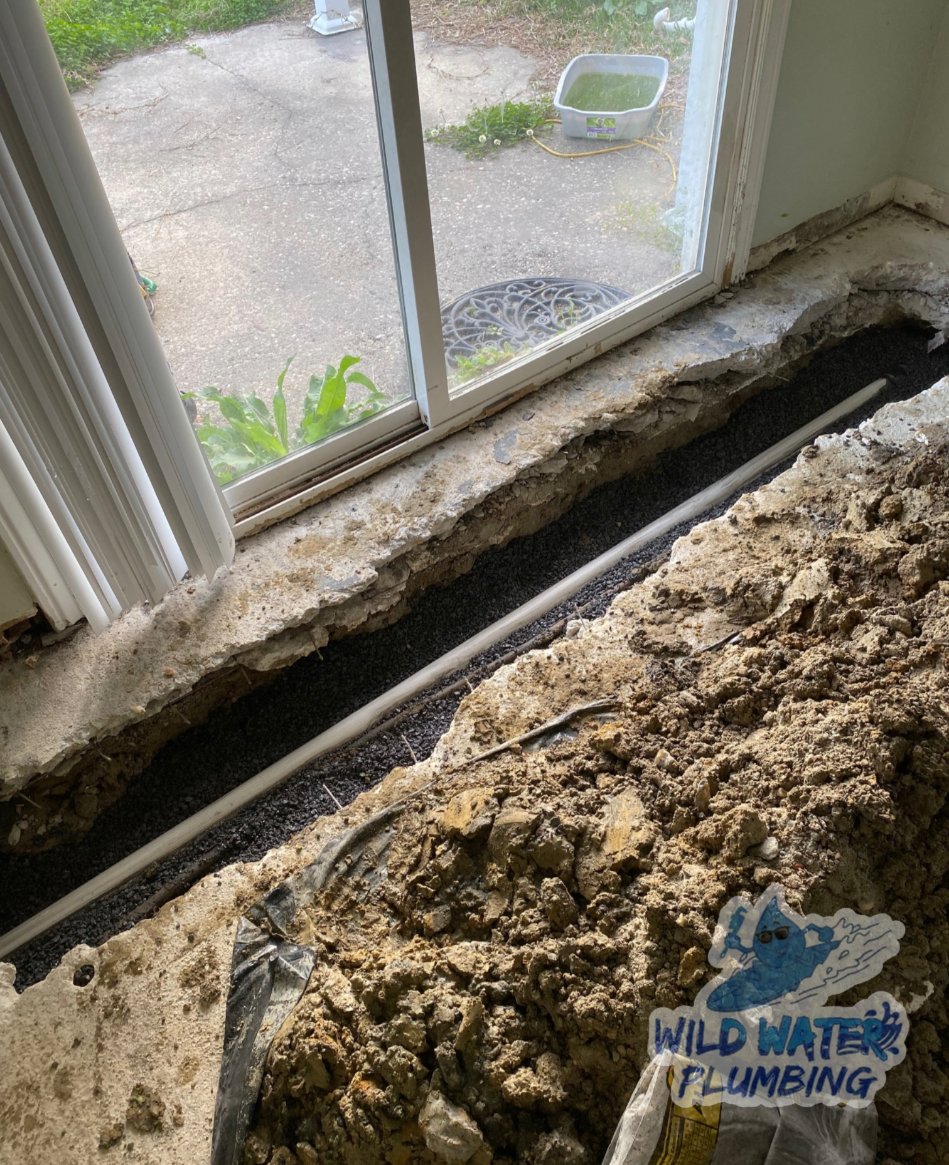
Sewer lines can indeed be repaired. In many cases, issues such as clogs, leaks, or damage can be fixed with appropriate techniques and tools, ensuring efficient drainage and restoring the functionality of your plumbing system.
How do you tell if you have a sewer line problem?
Signs of a sewer line problem include slow drains, frequent backups, unusual odors, and patches of grass that are greener or wetter than others. If you notice these issues, it's best to contact a professional for an assessment.
What signs indicate a sewer line issue?
Signs that indicate a sewer line issue include persistent clogs, unusual odors, slow drains, and water pooling in your yard. If you notice these symptoms, it’s essential to contact a professional for a timely inspection and repair.
Can I fix a sewer line problem myself?
Fixing a sewer line problem yourself can be tempting, but it is often complex and requires specialized tools and knowledge. It's advisable to call a professional plumber for safe and effective repairs.
How long does a sewer line repair take?
The duration of a sewer line repair can vary depending on the severity of the issue, but typically, the process takes between 3 to 5 hours. Factors such as access and the extent of damage may influence the timeline.
What causes sewer line blockages?
Sewer line blockages are caused by several factors, including the buildup of grease, tree root intrusion, foreign objects, and natural sediment accumulation. Regular maintenance and inspections can help prevent these issues in your plumbing system.
Are there preventative measures for sewer lines?
Preventative measures for sewer lines include regular inspections, routine maintenance, and timely repairs of any detected issues. Additionally, avoiding flushing non-biodegradable items can significantly reduce the risk of clogs and damage.
What materials are used for sewer line repairs?
The materials used for sewer line repairs include PVC, ABS, cast iron, and HDPE piping, chosen for their durability and resistance to corrosion, ensuring long-lasting and efficient performance in plumbing systems.
How often should sewer lines be inspected?
Sewer lines should be inspected every 1 to 2 years to ensure they remain clear and functional. Regular inspections help identify potential issues early, preventing costly repairs and maintaining the integrity of your plumbing system.
What are the consequences of untreated sewer line problems?
The consequences of untreated sewer line problems include significant property damage, health risks from sewage exposure, and costly repair bills. Ignoring these issues can lead to leaks, backups, and even compromised structural integrity.
How can tree roots affect sewer lines?
Tree roots can significantly affect sewer lines by infiltrating them, causing blockages and potentially damaging the pipes. This intrusion can lead to costly repairs and disrupted plumbing systems, highlighting the importance of regular sewer line maintenance.
What is involved in a sewer line inspection?
A sewer line inspection involves using specialized cameras to examine the interior of the sewer pipes. This process helps identify blockages, leaks, or damage, allowing for effective maintenance or repairs to ensure proper functioning of the plumbing system.
How can I locate my sewer line?
Locating your sewer line involves identifying the cleanout access points in your home, using a plumbing blueprint, or hiring a professional plumber who can utilize specialized tools like video inspection to trace the line accurately.
What tools are needed for sewer line repairs?
The tools needed for sewer line repairs include a pipe wrench, sewer auger, and a video camera inspection system. These tools help effectively diagnose and fix any issues within the sewer lines.
Can high-pressure water clear sewer line blockages?
High-pressure water can effectively clear sewer line blockages. This method uses intense water jets to dislodge debris and obstructions, ensuring a clean and functional sewer line.
What are the symptoms of a clogged sewer line?
The symptoms of a clogged sewer line include slow drains, gurgling sounds from the toilet or drains, persistent foul odors, and multiple fixtures backing up at once. If you notice these signs, it’s important to seek professional help.
What is trenchless sewer line replacement?
Trenchless sewer line replacement is a modern method of replacing damaged sewer pipes without extensive excavation, using advanced technology to minimize disruption to your property and landscape while ensuring a swift and efficient installation.
How can I prevent sewer line backups?
Preventing sewer line backups involves regular maintenance, such as routine inspections and cleanings, avoiding flushing non-biodegradable items, and being mindful of what drains down your sinks. Consider professional plumbing assessments to ensure your sewer lines remain clear and functional.
What are the costs associated with sewer line repairs?
The costs associated with sewer line repairs typically include factors like the extent of damage, the location of the line, and the chosen repair methods. On average, homeowners can expect to spend anywhere from $1,000 to $4,000 for professional services.
How to prepare for sewer line repair services?
Preparing for sewer line repair services involves clearing the work area around access points, ensuring easy access for the technicians, and notifying neighbors if necessary. This helps facilitate a smooth and efficient repair process.
When should I call a plumber for sewer issues?
The appropriate time to call a plumber for sewer issues is when you notice persistent clogs, foul odors, or sewage backups in your home. These signs indicate potential problems that require professional attention to prevent further damage.
Can weather conditions affect sewer lines?
Weather conditions can significantly affect sewer lines. Extreme temperatures, heavy rain, and prolonged drought can lead to ground shifts, pipe cracks, or blockages, compromising the integrity of the sewer system.
What is the average lifespan of a sewer line?
The average lifespan of a sewer line is typically between 50 to 80 years, depending on factors like material quality, soil conditions, and maintenance. Regular inspections can help extend its longevity and prevent costly repairs.
Are sewer line repairs covered by insurance?
Sewer line repairs are typically covered by homeowners insurance, depending on the policy and the specific cause of damage. It's essential to review your policy details and consult your insurance provider for clarification.
What are the best practices for maintaining sewer lines?
The best practices for maintaining sewer lines include regular inspections, avoiding flushing non-biodegradable items, using a hair catcher in drains, and scheduling professional cleanings to prevent clogs and ensure proper flow.
Can a camera inspect my sewer line?
A camera can indeed inspect your sewer line. This technology allows for a thorough examination of the pipes, identifying blockages and damage without the need for invasive digging.
What factors influence sewer line repair costs?
The factors that influence sewer line repair costs include the extent of the damage, the depth and location of the line, materials required for repairs, and labor costs. Additional complications, such as tree root intrusion or local permit requirements, can also affect pricing.
How can I recognize sewer line odors?
Recognizing sewer line odors involves detecting a foul, rotten smell similar to sulfur or ammonia. If you notice such odors in your home or yard, it may indicate a sewer line issue that requires immediate attention from a professional plumber.
What regulations apply to sewer line installations?
Regulations that apply to sewer line installations include local building codes, environmental guidelines, and health department requirements. Compliance with these regulations ensures proper functioning and safety of the sewer system while preventing pollution and public health issues.
What innovations exist in sewer line technology?
Innovations in sewer line technology include trenchless repair methods, which minimize excavation and disruption, advanced camera inspections for precise diagnostics, and durable materials like polyethylene that enhance longevity and resistance to corrosion.