Well Water Plumbing Experts • Veteran Owned
No Water? We Get It Flowing Again, Fast.
Your well pump is the heart of your home's water. When it fails, everything stops. We repair, replace, and install well pumps across Onslow, Pender, and New Hanover Counties, plus Cedar Point, with the urgency the job deserves.
Fast diagnosis • Honest pricing • Repair or full replacement done right

Eight Things a Failing Well System Does
Some of these point at the pump. Several point at something else that is quietly destroying the pump, which is a very different repair.
No water at all
Nothing at any tap. Check the breaker first, because a tripped one is free to fix and it happens more often than people expect.
Low water pressure
A weak stream where you expect a proper one can mean a failing pressure tank, a line blockage, or a worn out pump.
Dirty or sandy water
Grit or cloudiness usually points at the well casing or screen rather than the pump itself.
Short cycling
The pump clicking on and off every few seconds. This is the one that destroys pumps, and the section below explains why.
Constant running
A pump that never rests is either chasing a leak somewhere in the system or no longer able to reach cut-out pressure.
Air spurts from the faucet
Sputtering and spitting means air is getting into the line, often from a dropping water level or a leak on the suction side.
Strange noises
Grinding, rattling, or a rhythmic knock. Worn bearings, a failing motor, or cavitation inside the pump.
A spike in your electric bill
A pump working far harder than it should shows up on the power bill before it shows up anywhere else.
Before You Buy a Pump, Knock on the Tank
Pumps do not usually die of old age. They die of short cycling, and short cycling usually is not the pump's fault. Inside your pressure tank is a rubber bladder holding a cushion of air. When it fails, the tank fills with water and stops storing pressure, and the pump starts paying for it immediately.
A healthy tank
Air above, water below. Knock it high and it sounds hollow. Knock it low and it sounds dull. That difference is the whole test.
A waterlogged tank
The bladder has gone and water fills it top to bottom. It sounds dull wherever you knock, and your pump is being worn out every minute it stays that way.
How a cheap part takes an expensive one with it
- The bladder failsThe rubber membrane separating air from water tears or perishes, and water fills the space the air cushion used to occupy.
- The tank stops storingWith no cushion there is nothing to hold pressure between cycles, so the tank goes from full to empty almost instantly.
- The pump short cyclesIt starts, runs a few seconds, stops, and starts again. Hundreds of extra starts a day instead of a handful.
- The motor burns outEach start draws a surge and builds heat that never gets a chance to dissipate. This is what actually kills the pump.
Why we would rather you knew. A pressure tank is a far smaller job than a pump, and pulling a submersible pump from a deep well is not. If somebody quotes you for a pump without having checked the tank first, that is worth asking about, because fitting a new pump to a waterlogged tank buys you a new pump with the same problem. A healthy system cycles a handful of times an hour and runs for minutes at a time. Every few seconds is not a quirk, it is damage in progress.
Short cycling and waterlogged tank behaviour per well component manufacturer and industry service guidance. Test the tank with the pump switched off.
How a Well System Actually Works
Four parts. When one fails it is very often another one that shows the symptom.
The Pump
Sits deep in the well and pushes water up to your home. The workhorse of the whole system.
The Pressure Tank
Stores pressurized water so the pump does not run every time you open a tap, and keeps pressure steady.
The Pressure Switch
Tells the pump when to turn on and off. A failing switch is another cause of short cycling.
The Well Casing and Screen
Protects the well and keeps sediment out. Cracks or a bad screen show up as dirty water.
What a Failing Well System Costs You
More than the part, and usually at the least convenient moment available.
A Home You Cannot Use
No water means no showers, no laundry, no dishes, and no flushing. A well pump failure stops a household in a way very few other faults do.
A Health Risk on Tap
A failed casing or a loss of pressure can let contamination into a system nobody is monitoring but you.
A Motor Burning Itself Out
Short cycling and constant running grind down the motor and spike your power bill while they do it.
Failure at the Worst Moment
Pumps rarely fail on a quiet Tuesday. They fail when the house is full and the system is working hardest.
Submersible vs Jet Pump, Side by Side
Which one you have is decided by how deep your well is, not by preference.
| Feature | Submersible pump | Jet pump |
|---|---|---|
| Where it sits | Deep inside the well | Above ground, near the well |
| Best for | Deep wells | Shallow wells |
| How it moves water | Pushes water up | Pulls water up by suction |
| Efficiency | Higher, quiet operation | Good for shallow depths |
| Typical lifespan | 8 to 15 years | Around 10 years |
| Service access | Must be pulled from the well | Easy to reach above ground |
Going It Alone
Pulling a heavy pump from a deep well without the right gear
Live 240 volt wiring around water
Guessing the cause and replacing the wrong part
Risk of dropping equipment down the well
Accidentally contaminating your drinking water
Calling Wild Water
The right equipment to pull and set the pump safely
Licensed, insured handling of the electrical work
Correct diagnosis the first time, so you fix what is actually broken
Sanitary handling that protects your water supply
The whole system tested before we leave
How We Work
Diagnosis
We test the whole system, tank and switch included, before anyone talks about pulling a pump.
Straight Talk
What failed, what caused it, and what it will take, with the price before work starts.
Repair or Replace
The right equipment to pull and set a pump safely, and the electrical done properly.
Testing
Pressure, cycling, and flow all checked before we leave, so you know it is actually right.
A coastal reality worth knowing. Heavy rain and hurricanes can drive contaminants into private wells, and because no agency monitors your water, testing is on you. We suggest testing at least once a year and after any major storm. That is a different job from pump service though, so if water quality rather than water pressure is what brought you here, our well water systems page is the right place to start.
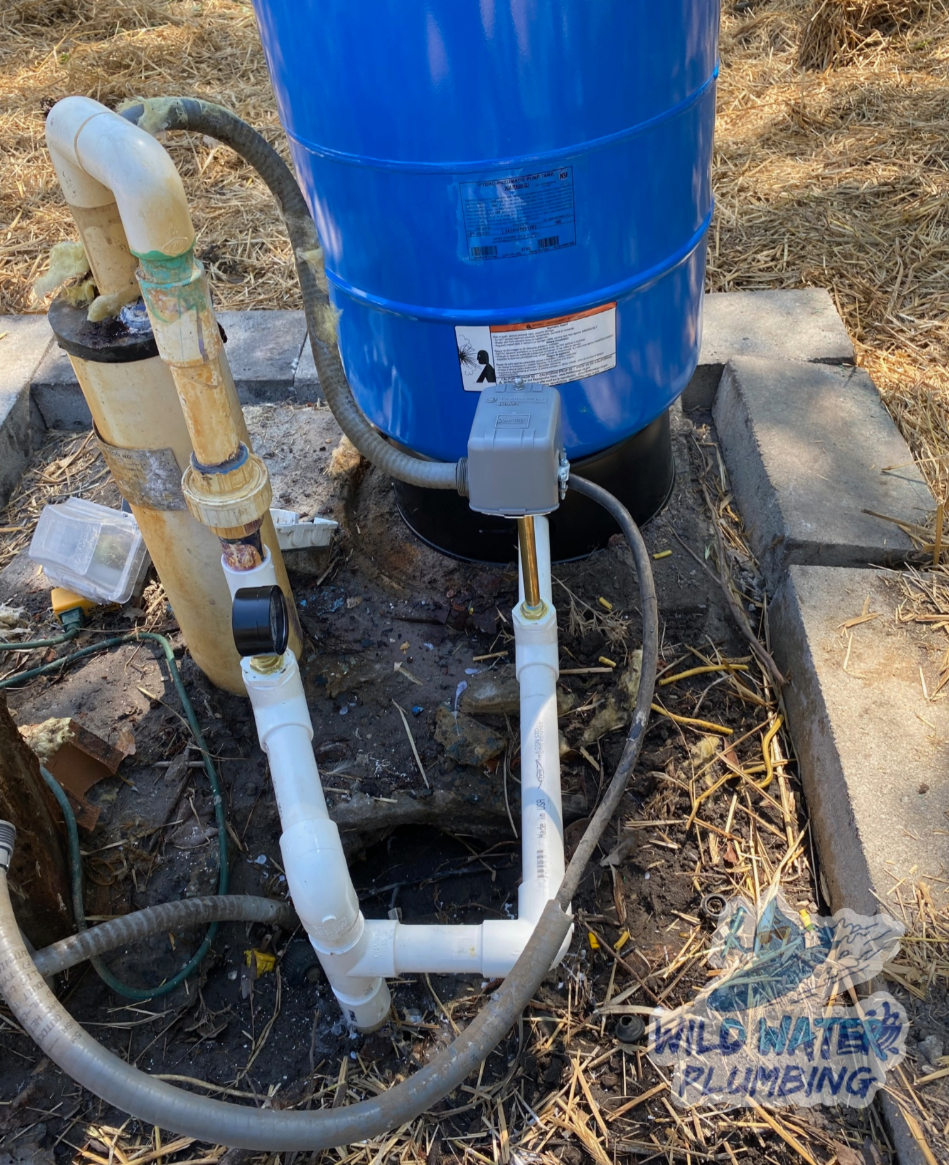
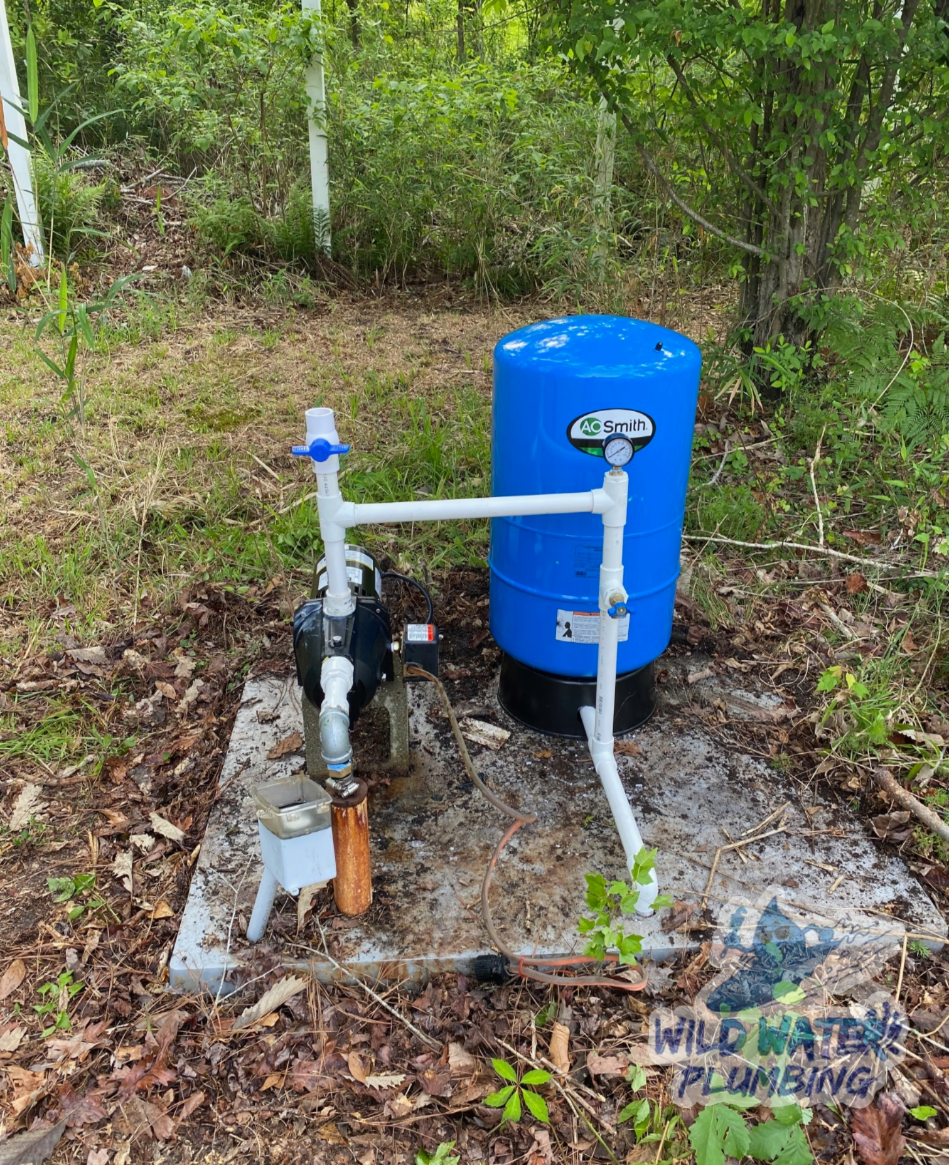
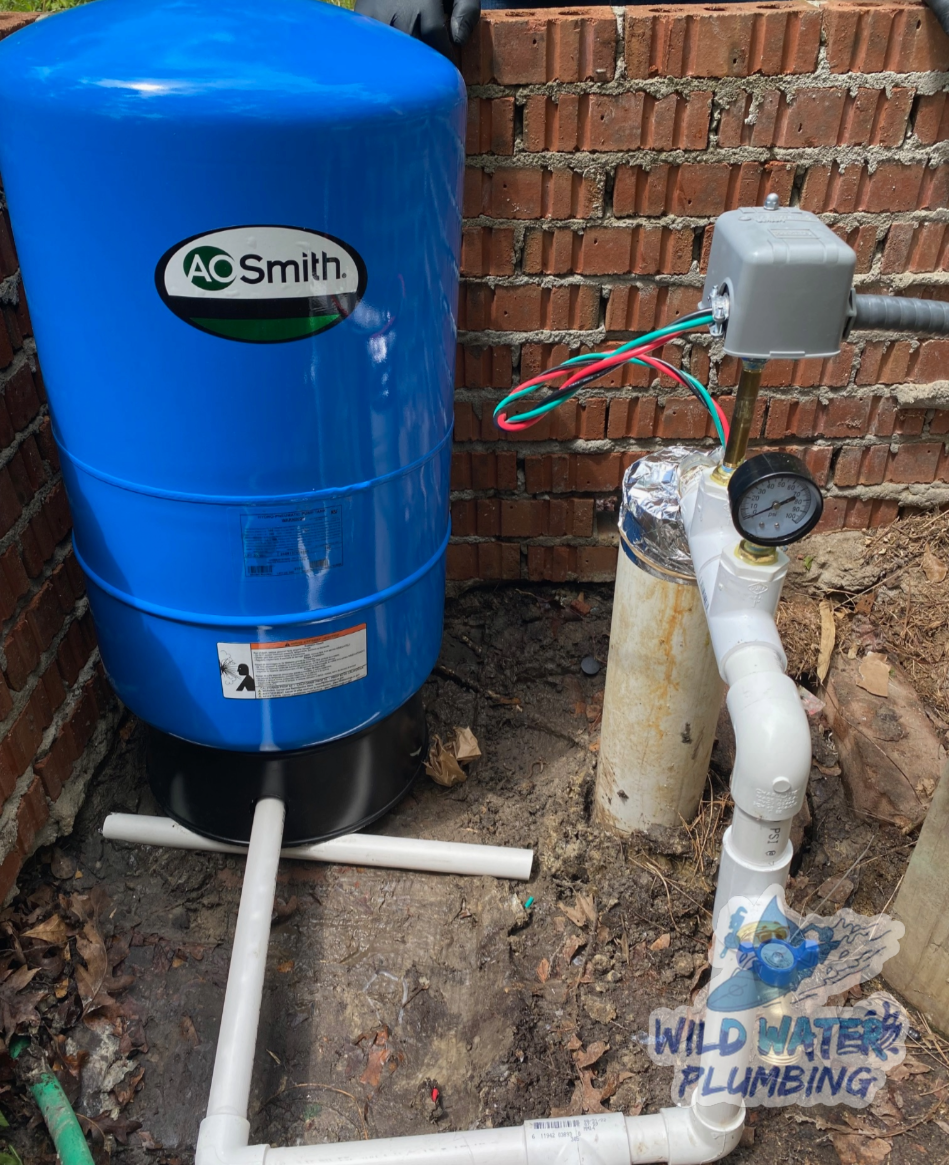
Well Pump Work Across the Area
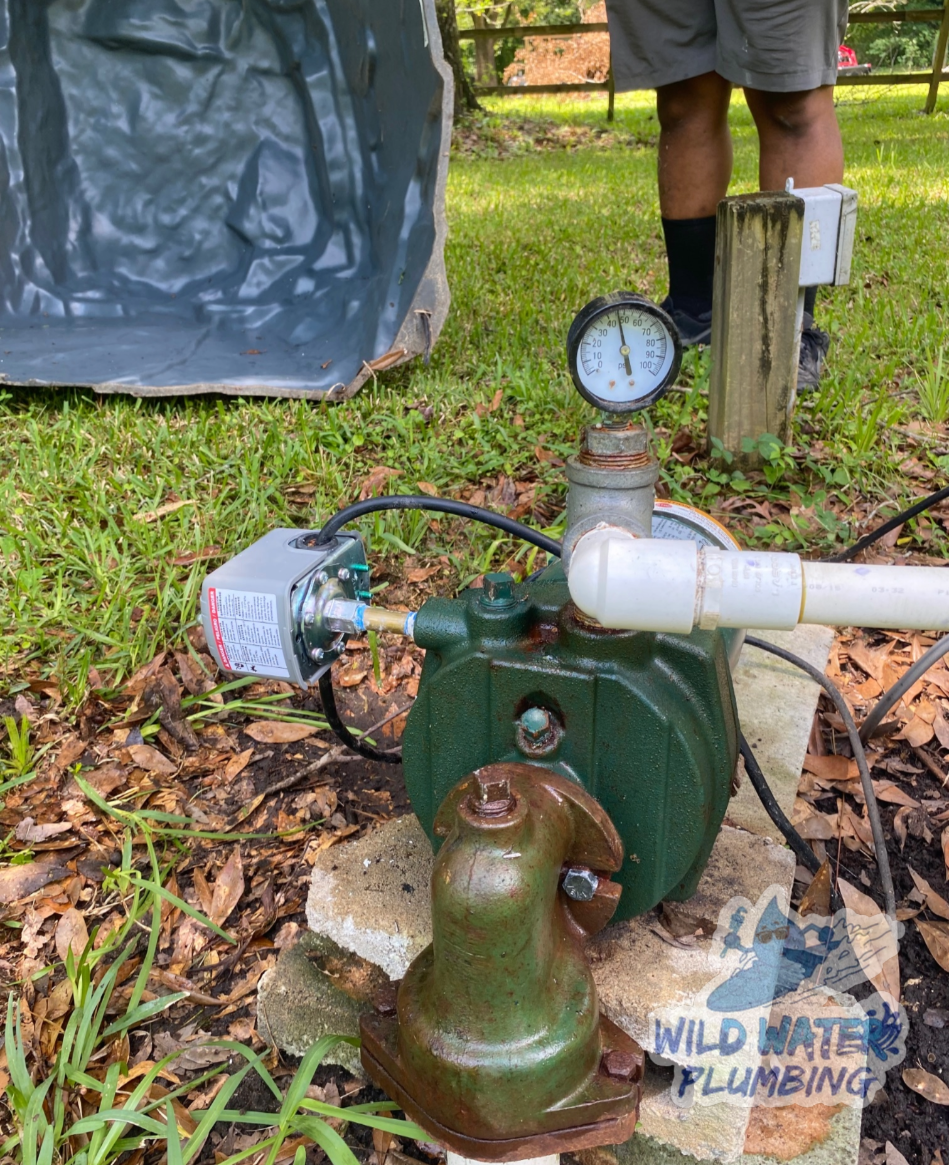
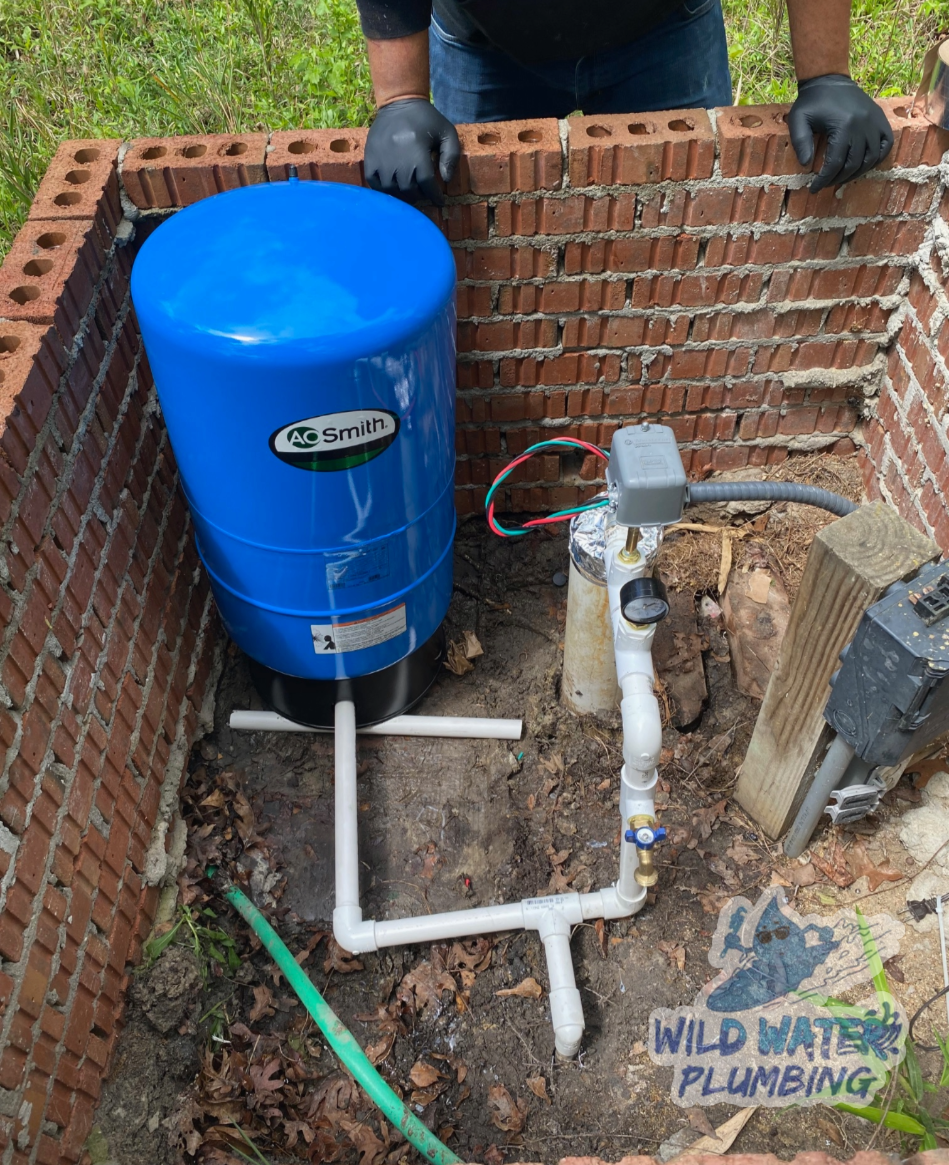
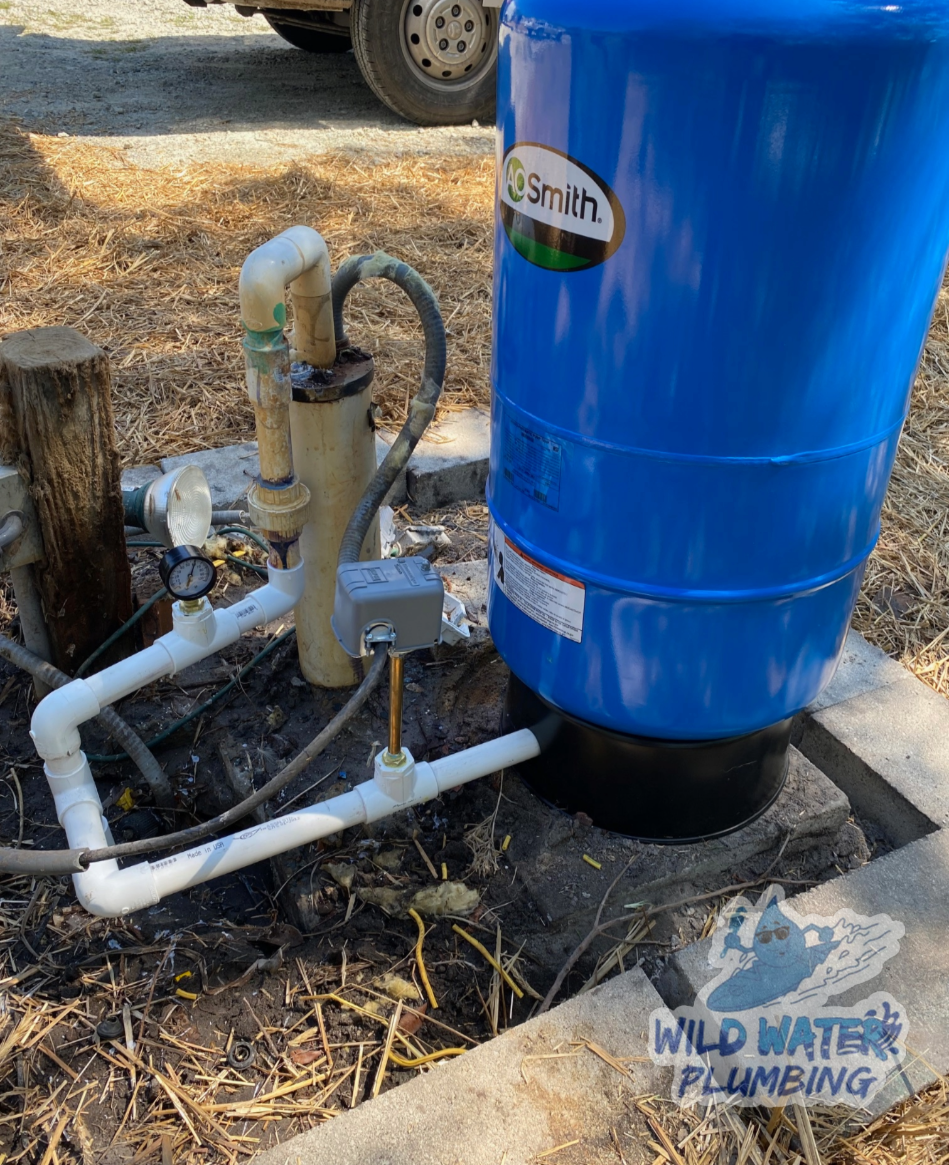
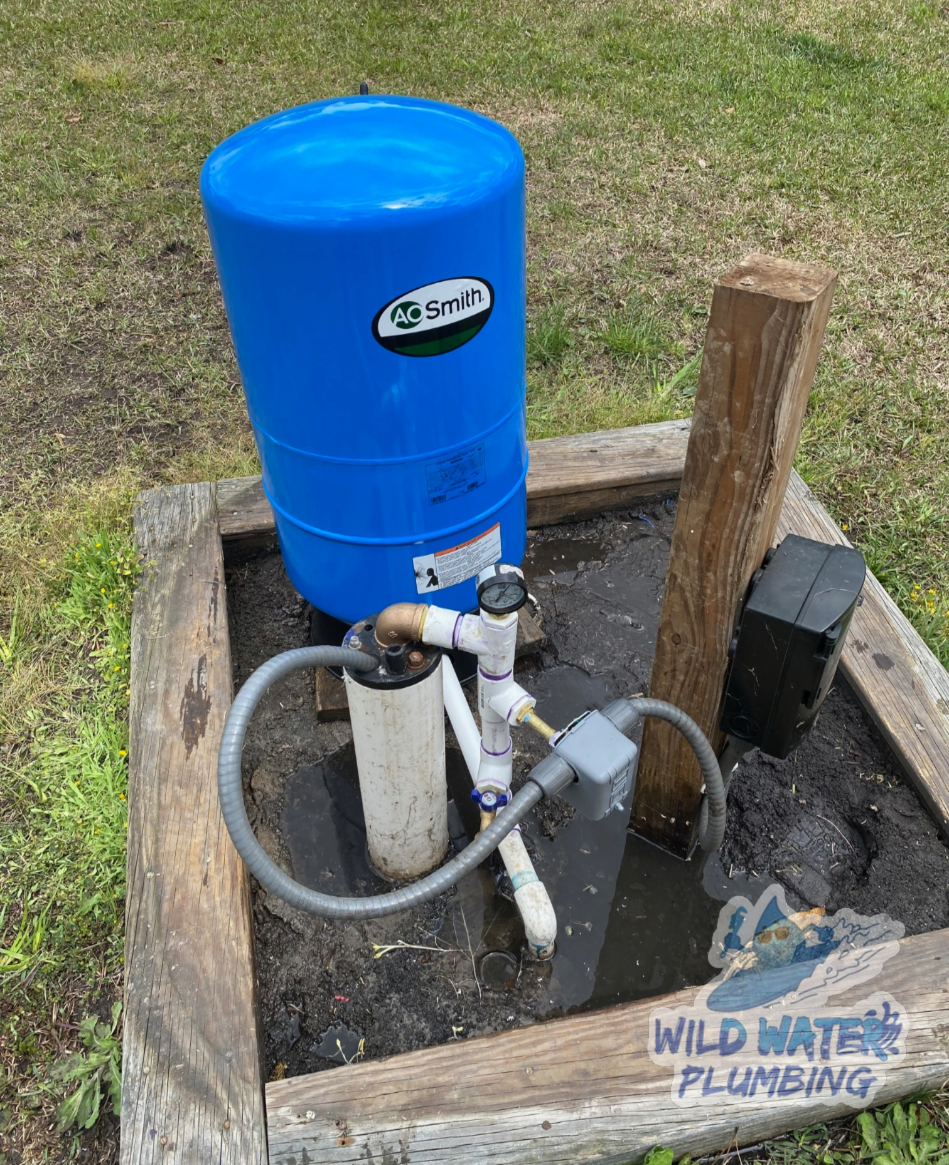
Real jobs across Onslow, Pender, and New Hanover Counties.
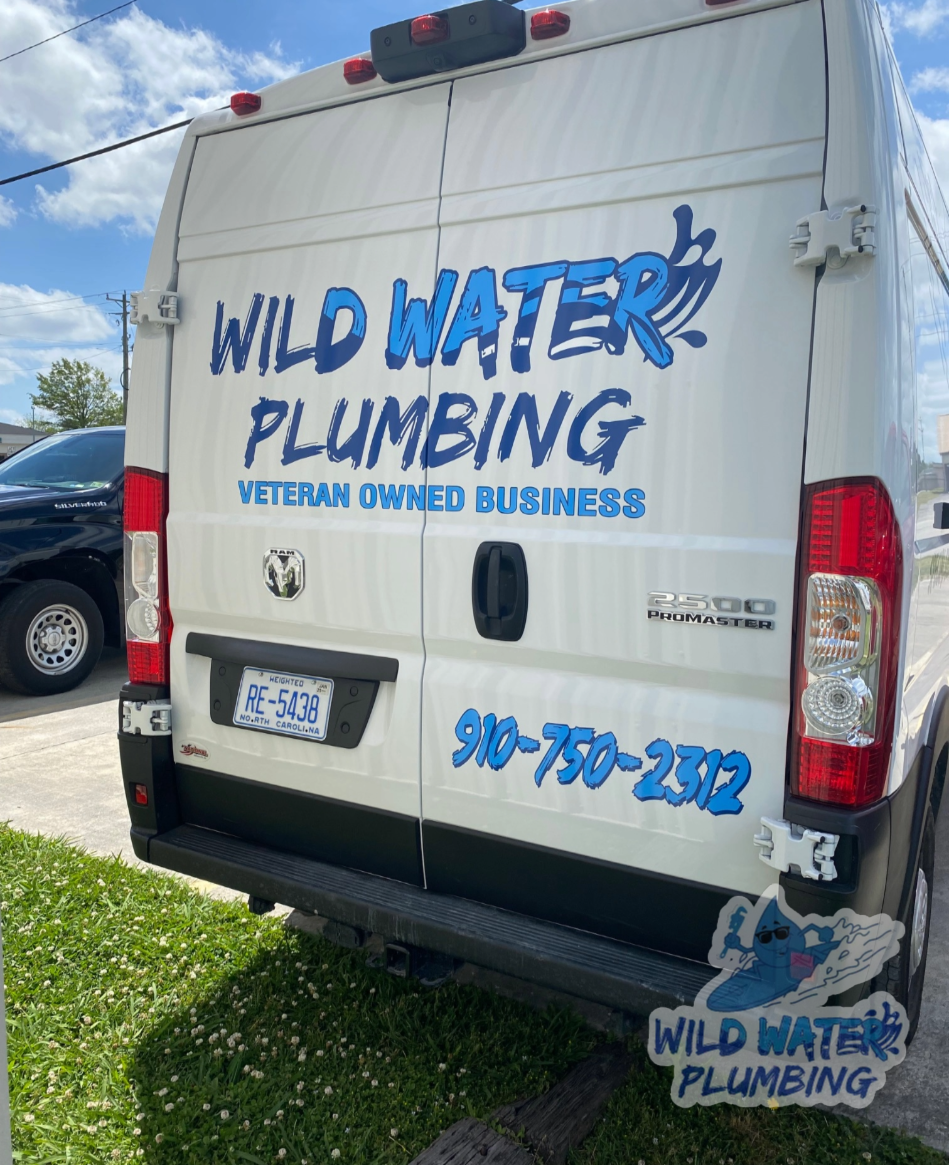
No Water Right Now?
Check the breaker, then call us. We diagnose the whole system rather than assuming it is the pump.
Call 910.750.2312 Get a Well Pump QuoteGet Your Well Pump Estimate
Fill out the form below and we will get right back to you. No water at all? Call 910.750.2312 instead.
Well Pump FAQs
What should I do if my well pump stops working?
First, check your circuit breaker to make sure it has not tripped. If that is not the issue, give us a call. We will come out, diagnose the problem, and get your water back on.
Why is my water pressure so low?
Low pressure often comes from a problem with the pressure tank, a blockage in the water line, or a pump that is wearing out. We can pinpoint the cause rather than guessing at it.
How often should I get my well pump serviced?
We recommend having your pump checked once a year. A quick annual check-up catches small issues before they turn into big, expensive problems.
Why is my pump making strange noises?
Odd noises usually mean something is off, such as worn out bearings, a failing motor, or cavitation, which is bubbles forming inside the pump. These are worth looking at promptly.
How long does a well pump last?
A submersible pump typically lasts 8 to 15 years, while a jet pump lasts around 10. Age, water quality, and how hard the pump works all play a role, and a pump that has been short cycling can fall a very long way short of those numbers.
Should I repair or replace my well pump?
It depends on the age of the pump, the type of failure, and the cost of the repair. If your pump is near the end of its life and failing often, replacement usually makes better sense. What matters just as much is finding out what caused the failure, so the replacement does not go the same way.
Is my well water safe to drink?
Private wells are not regulated by any federal agency, so testing is the homeowner's responsibility. We recommend testing at least once a year and after any major storm or flooding.
My pump clicks on and off every few seconds. Is that normal?
No, and it is worth acting on quickly. That is called short cycling, and a healthy system should cycle a handful of times an hour with each run lasting minutes rather than seconds. The usual cause is a waterlogged pressure tank, and left alone it will burn the pump out. The section further up this page shows how to check the tank yourself.
What areas do you serve?
We serve homeowners across Onslow, Pender, and New Hanover Counties, including Greater Jacksonville, North Carolina and the surrounding coastal communities. In Carteret County we serve Cedar Point.
Related Services and Reading
Diagnosed Properly, Not Just Replaced
We test the tank and the switch before anyone talks about pulling a pump, because fitting a new one to the thing that killed the old one is not a repair.
Call 910.750.2312 Schedule ServiceWild Water Plumbing + Septic • U.S. Navy Veteran Owned and Operated • Serving Onslow, Pender, and New Hanover Counties, plus Cedar Point, North Carolina Licensed and insured. • 200 Valencia Dr Unit 313, Jacksonville, NC 28546
Veteran Owned Plumbing Repair, Inspection, & Installation Services.
Plumbing Services
Additional Services
Plumbing Tips



PENDER, CARTERET, NEW HANOVER & ONSLOW COUNTIESAffordable Plumbing Services For Greater Jacksonville, North Carolina
