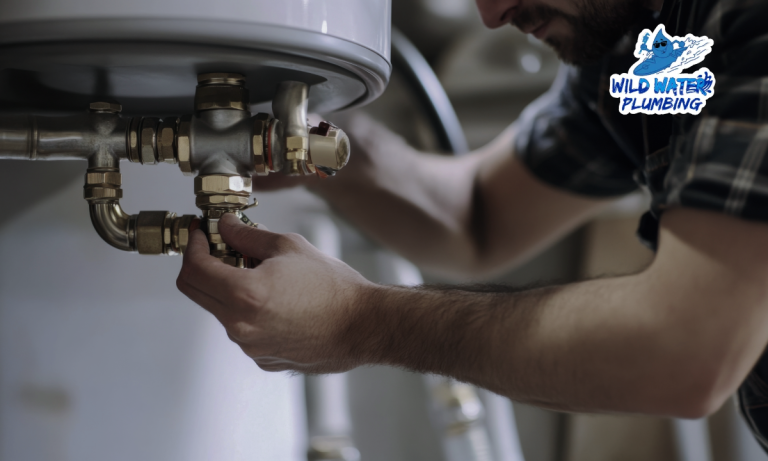
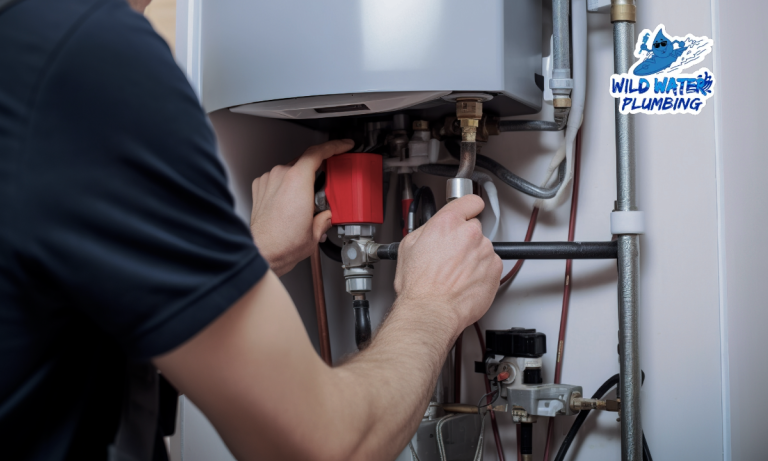
A hot water tank that isn’t heating properly can be a major inconvenience, affecting daily activities like showering, washing dishes, and laundry.
Here’s a step-by-step guide to help you troubleshoot and identify the source of the problem.
- No Hot Water: Water from the hot water tap is cold.
- Inconsistent Temperature: Water is warm but not hot enough, or temperature fluctuates.
- Strange Noises: Unusual sounds coming from the water heater.
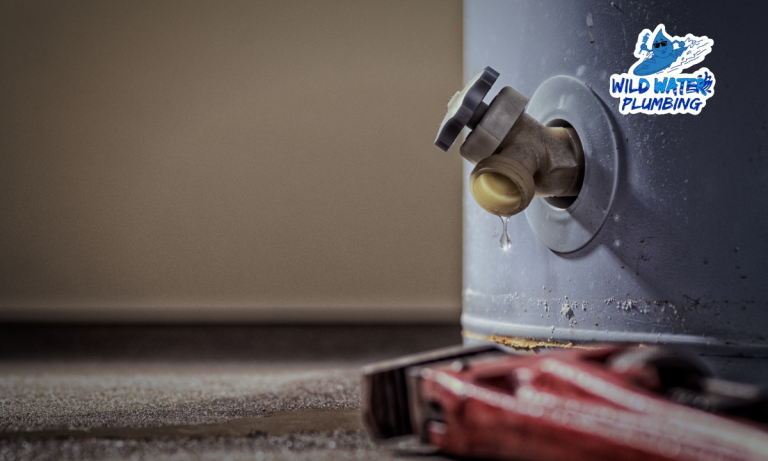
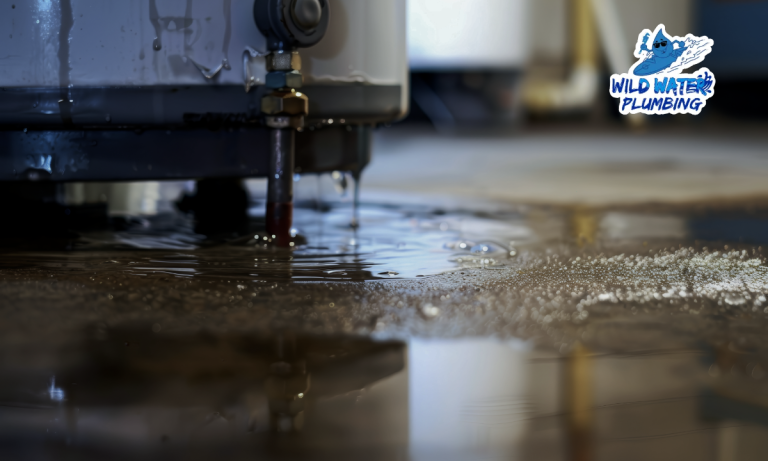
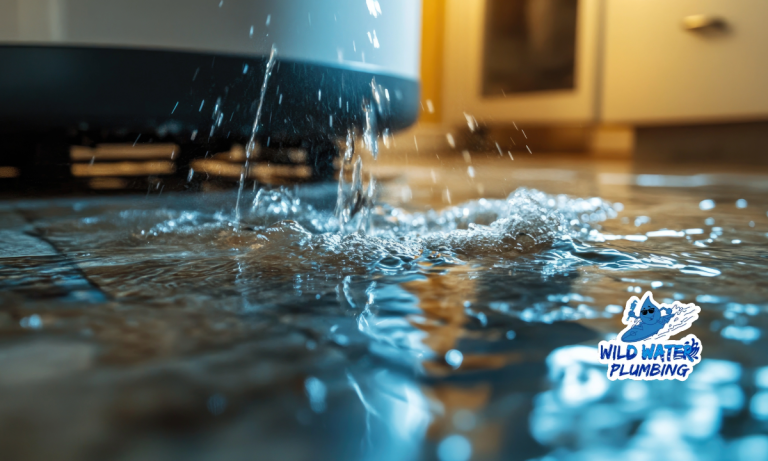
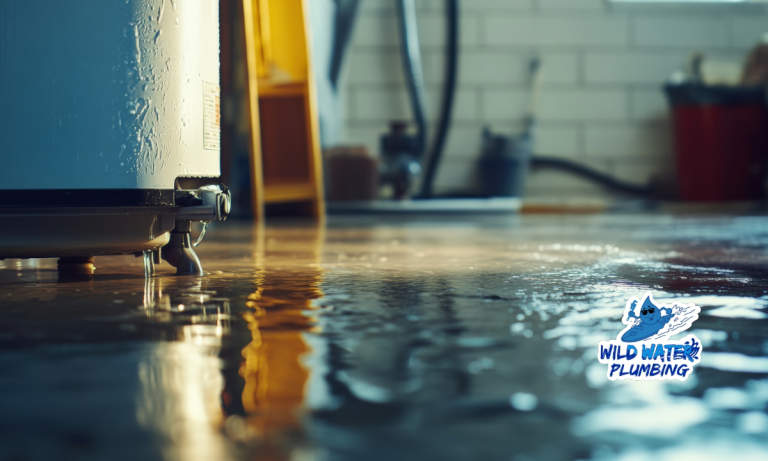
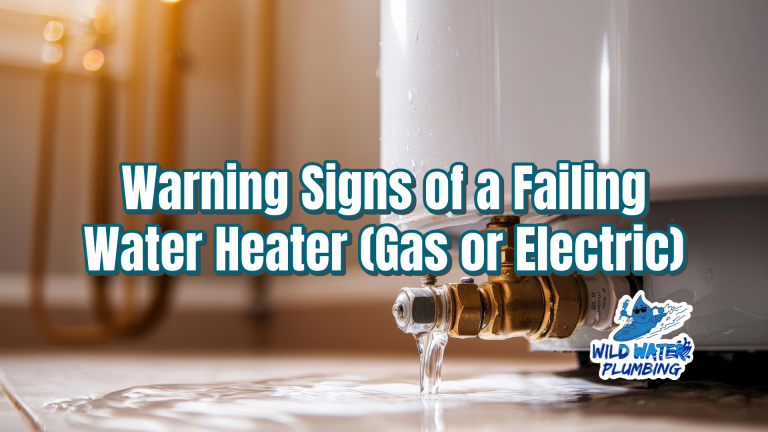
- Leaking Water: Water pooling around the base of the water heater.
- Circuit Breaker: Ensure the circuit breaker for the water heater is not tripped. Reset if necessary.
- Power Switch: Verify that the water heater’s power switch is turned on.
- Temperature Setting: Ensure the thermostat is set to the desired temperature (usually between 120-140°F).
- Thermostat Function: Test the thermostat to see if it’s functioning correctly. Replace if faulty.
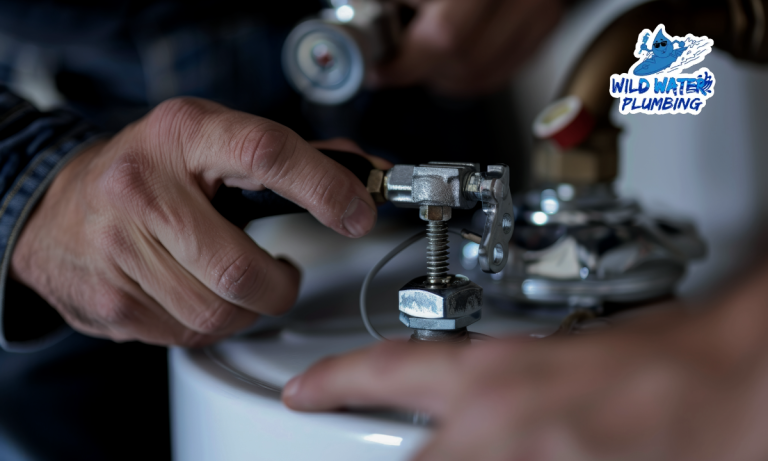
- Inspection: Electric water heaters typically have two heating elements. Use a multimeter to test for continuity.
- Replacement: If one or both elements are defective, they must be replaced.
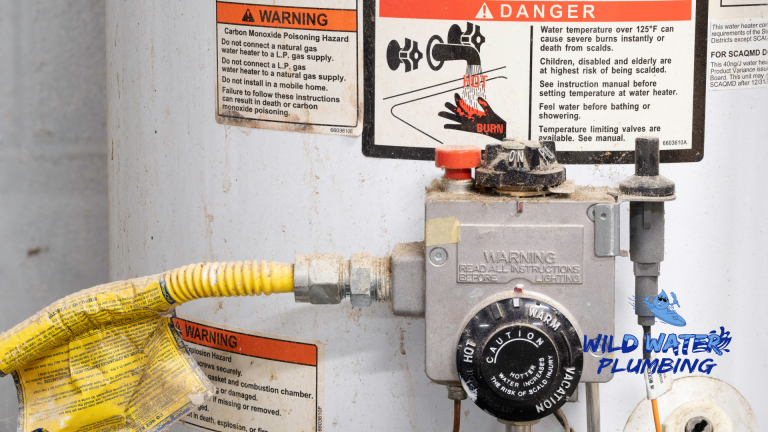
- Pilot Light Status: Ensure the pilot light is lit. If it’s out, follow the manufacturer’s instructions to relight it.
- Thermocouple: If the pilot light won’t stay lit, the thermocouple may need to be replaced.
- Gas Valve: Ensure the gas valve supplying the water heater is open.
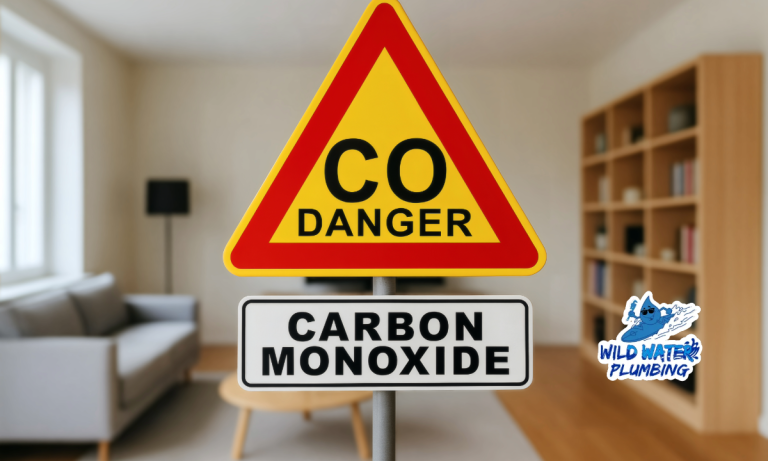
- Gas Line: Check for any leaks or issues in the gas line. If you smell gas, turn off the gas supply and call a professional immediately.
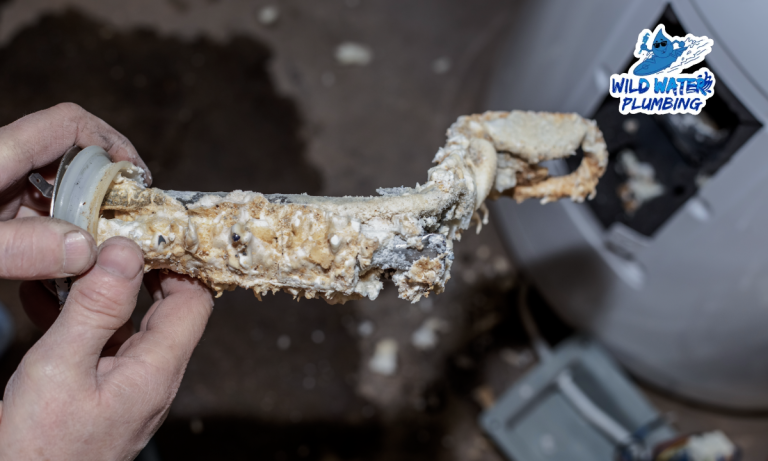
- Sediment Buildup: Sediment can accumulate in the tank over time, affecting heating efficiency. Drain and flush the tank to remove sediment.
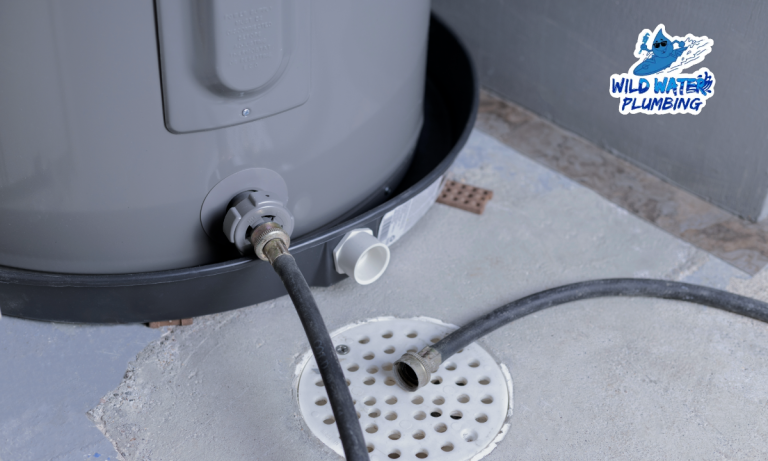
- Procedure: Turn off the water supply, attach a hose to the drain valve, and let the tank empty. Refill and check if the issue is resolved.
- Function: The dip tube directs cold water to the bottom of the tank for heating. If broken, it can cause cold water to mix with hot water.
- Inspection: Remove and inspect the dip tube for cracks or breaks. Replace if necessary.
- Visual Inspection: Look for any signs of water leakage around the tank and connections.
- Pressure Relief Valve: Check the pressure relief valve for leaks. Replace if it’s faulty.
If you cannot identify or resolve the problem using the steps above, it’s time to call a professional.
Wild Water Plumbing can diagnose and repair hot water tank issues efficiently.
Contact Wild Water Plumbing
For expert assistance with hot water tank problems, contact Wild Water Plumbing.
Our skilled technicians will ensure your hot water supply is restored quickly and effectively.
Coastal North Carolina water heaters face challenges most homeowners do not expect. Salt air corrosion, mineral heavy water, storm related power outages, and sediment buildup can all shorten the life of gas, electric, and tankless water heaters. In this homeowner friendly guide, I walk you step by step through the most common water heater problems I see across Onslow, Carteret, Pender, and New Hanover counties. You will learn how to diagnose no hot water issues, strange noises, leaks, and odors, understand when a simple fix is safe, and know when it is time to call a professional to protect your home and your family.
Not all water heaters are created equal. This guide explains how tank, tankless, heat pump, solar thermal, and condensing water heaters work so homeowners can size correctly, avoid installation mistakes, and reduce long term energy and maintenance costs.
A bottom leak on a water heater is one of the clearest signs of tank failure, especially in Coastal NC homes exposed to salt air, humidity, and hard well water. This in depth guide explains what homeowners in Onslow, Carteret, Pender, and New Hanover Counties need to know before the heater bursts.
Coastal North Carolina water is tough on equipment. In this guide I walk you through the real lifespan of tank and tankless systems on well water, how salt air and sediment affect performance, and which type truly lasts longer for Jacksonville and Onslow County homes.
In Maysville, even a small water heater drip can spell big trouble. Leaks in crawlspaces often go unnoticed until they’ve caused mold, wood rot, and major repairs. Here’s how to stop the damage before it starts.
Rust isn’t just ugly—it’s dangerous. In Sneads Ferry, salty air and humidity eat away at water heaters until they leak or burst. Here’s how to protect your home before disaster strikes.
Families in Hubert shouldn’t have to fight for hot water. If your tank leaves you with lukewarm showers, it’s time to look at an upgrade. Bigger tanks and tankless systems are built to handle today’s demands.
Piney Green homeowners often see electric bills spike every winter. The culprit? Outdated, inefficient water heaters that waste power just to keep up. Here’s how to stop the drain on your wallet.
In North Topsail Beach, water heaters in crawlspaces or garages are sitting ducks for flooding. Saltwater, rust, and storm surge can wreck a tank fast. Here’s how to protect your home and keep the hot water running.
Richlands well water is tough on water heaters. Iron stains, sulfur smells, and gritty sediment wear tanks down from the inside. Here’s how to fix it and keep hot water flowing.
Jacksonville families shouldn’t have to fight over hot water. If your showers keep running cold, your old water heater may be undersized, outdated, or on its last leg. Wild Water Plumbing breaks down why this happens and the simple upgrades that bring back comfort (and peace) to your home.
When hot water fails in your Topsail Beach rental, guest satisfaction is at risk. Wild Water Plumbing offers same-day repair and replacement of gas, electric, and tankless water heaters—before bad reviews hit.
A faulty gas water heater in Hampstead, NC triggered a carbon monoxide alarm—our team acted fast to prevent a dangerous situation. Wild Water Plumbing offers 24/7 emergency repair and safe water heater replacement.
A leaking water heater in your Cedar Point home can lead to mold and expensive damage fast. Wild Water Plumbing offers rapid leak detection, repair, and full replacements—before the damage spreads.
Is your water heater trying to tell you something? Learn the top warning signs—and when Jacksonville homeowners should call for a replacement.
Choose a local, veteran-owned plumbing company you can trust. We replace water heaters in Jacksonville, NC with honesty and precision.
Choosing between tankless and traditional? We break down the pros and cons so Jacksonville homeowners can make the right call.
Tired of running out of hot water? Our Jacksonville experts explain when to repair and when to replace your old water heater for good.
Don’t wait for hot water. Learn how our Jacksonville plumbers provide fast, expert repairs for your tankless water heater—same day guaranteed.
Clicking, rumbling, or banging sounds coming from your water heater? Our Jacksonville techs explain what it means—and how we can fix it.
Tankless water heaters last longer—but not forever. Find out the signs it’s time for a repair or replacement from your Jacksonville plumbing pros.
See a strange code on your tankless heater? We break down what the most common error codes mean—and when to call our Jacksonville plumbers.
Losing hot water? Learn the top signs your tankless system needs repair—and how our Jacksonville, NC plumbers can help you fix it fast.
Is your shower turning cold too fast? Spot the warning signs of a failing water heater before it leaves you with no hot water! From leaks and strange noises to rusty water and low pressure, we’ll cover why water heaters fail, the dangers of DIY fixes, and the best options for a replacement. Thinking of going tankless? We’ll break down the pros, costs, and energy savings. If you’re in Greater Jacksonville, NC, call Wild Water Plumbing for expert water heater service today!
Replacement of gas or electric water heater can be a tempting DIY project for homeowners who want to save some cash and experience something new. But the task comes with a whole set of difficulties to be considered and prepared. In addition to resolving intricate safety issues like gas leaks and electrical issues, complex connections and the ability to maintain local building codes, it requires expertise and attention to detail. Sizing and getting it right in the existing area, as well as fitting the new appliance correctly, are the most important elements to ensure sufficient hot water, and a seamless connection to your plumbing and electrical systems. Even obtaining all the permits required and planning for inspections can make the project a little more complicated.
Hiring an unlicensed plumber in Greater Jacksonville, NC can lead to serious problems, from improper septic tank and grinder pump installations to code violations, water contamination, and costly repairs. Licensed plumbers follow safety standards, get permits, and ensure your plumbing is done right the first time, protecting your home and investment.
When deciding on a gas or electric water heater in Greater Jacksonville, NC, you need to think about efficiency, installation costs, and safety among other things. This article will answer some of the most frequently asked questions by homeowners such as how to size your unit correctly; what is the average lifespan for various models and tips on maintaining them. Whether this is for troubleshooting purposes or because you’re in need of a new one altogether – our guide has got everything covered so that it can help ensure efficient functioning as well as reliability from any residential hot water system within your house.
Let's improve your plumbing & water system today!
Hot Water Heater Troubleshooting | Wild Water Plumbing heat, water, plumbing, water heating, leak, air conditioning, thermostat, electricity, heating element, plumber, tank, circuit breaker, shower, pilot light, pressure, sediment, drain, water purification, pipe, valve, mineral, troubleshooting, electrician, switch, relief valve, device, gas water, water heater installation, heating, electric water, leaking water heater, electrical, water not getting hot, water heater not getting hot, gas water heater not heating water, my water is not getting hot, gas water heater not getting hot enough, water not heating up, water not getting hot gas water heater, water heater not getting hot enough, water won t get hot, gas water heater not getting hot, water not getting hot enough, reset, garden hose, filtration, boiler, power supply, anode, corrosion, pump, water tank, maintenance, water supply, odor, wire, multimeter, fuse, dishwasher, hose, voltage, screw, limescale, screwdriver, inlet, water damage, heating system, tap, home repair, water filter, energy, volt, gas leak, pest control, water heater maintenance, electric, water heater problems, lukewarm hot water, unit, water heater issues, water heater troubleshooting, water heater leak, water heater repairs, water heater water, electrical wiring, expansion tank, heat pump, warranty, sink, washing machine, electric heating, metal, lawn, thermal expansion, home improvement, toilet, natural gas, bacteria, water quality, credit card, rust, ohm, debris, pressure regulator, bathroom, kitchen, control valve, condensation, leak detection, burn, water hammer, inspection, drinking water, climate, handyman, hard water, scalding, hazard, wrench, pest, flame
Frequently Asked Questions
What causes a hot water heater to not get hot?
The causes of a hot water heater not getting hot include a faulty thermostat, a defective heating element, or issues with the power supply. Additionally, sediment buildup in the tank can hinder heating efficiency.
How do I troubleshoot hot water issues at home?
Troubleshooting hot water issues at home involves checking the thermostat settings, ensuring the water heater is powered on, inspecting for leaks, and examining the heating elements. If problems persist, contacting a professional plumber is advisable.
How can I fix a hot water heater thats not heating?
To fix a hot water heater that's not heating, first check the thermostat settings and ensure the circuit breaker is not tripped. If necessary, inspect the heating elements for damage or wear and replace them if needed.
Why is my hot water heater not producing hot water?
The reason your hot water heater is not producing hot water may be due to issues like a malfunctioning thermostat, faulty heating element, or sediment buildup. Inspect these components to identify the problem effectively.
Why does my hot water tank not heat properly?
The issue of a hot water tank not heating properly can stem from factors such as a faulty thermostat, sediment buildup, or malfunctioning heating elements. These problems can significantly diminish the hot water supply in your home.
Why is my hot water only warm, not hot?
The issue of hot water only being warm rather than hot can stem from several factors, including a malfunctioning thermostat, sediment buildup in the heater, or insufficient heating elements. Checking these components can help identify the cause.
Why does my hot water take so long to heat up?
The reason your hot water takes so long to heat up is often due to issues like sediment build-up in the tank, a malfunctioning thermostat, or long pipe runs that cool the water before it reaches the faucet.
Why is my hot water not getting hotter than warm?
The issue of hot water not getting hotter than warm often stems from a malfunctioning thermostat, sediment buildup in the tank, or insufficient heating elements. Regular maintenance can help resolve these problems and restore optimal water temperatures.
Why is my hot water not getting hot enough?
The issue of hot water not getting hot enough may stem from a malfunctioning thermostat, sediment buildup in the tank, or an undersized water heater. Check these factors to ensure optimal hot water performance.
What are signs of a failing water heater?
The signs of a failing water heater include inconsistent water temperature, strange noises, rusty water, and leaks around the unit. If you notice any of these issues, it may be time to seek professional assistance.
How can I increase hot water temperature?
The ways to increase hot water temperature include adjusting the thermostat on your water heater, ensuring the heating elements are functioning properly, and checking for sediment buildup in the tank that may affect its efficiency.
What maintenance prevents hot water issues?
Regular maintenance for hot water heaters includes flushing the tank to remove sediment buildup, checking the anode rod, and ensuring proper temperature settings, which together help prevent issues like insufficient hot water and extend the unit's lifespan.
When should I replace my water heater?
The right time to replace your water heater is when it shows signs of age such as leaking, inconsistent water temperature, or has surpassed its typical lifespan of 10-15 years. Regular maintenance can help identify these issues early.
Can mineral buildup affect hot water heating?
Mineral buildup can significantly affect hot water heating. Over time, minerals like calcium and magnesium accumulate in the tank, reducing heating efficiency and leading to potential malfunctions. Regular maintenance can help prevent these issues.
How often should I inspect my heater?
Inspecting your heater regularly is essential for optimal performance. It is recommended to conduct an inspection at least once a year to identify issues early and ensure efficient operation.
What safety measures should I follow while troubleshooting?
Safety measures to follow while troubleshooting include turning off power to the appliance, using insulated tools, wearing safety goggles, and ensuring adequate ventilation to prevent accidents and injuries. Always consult the manufacturer's guidelines for specific safety protocols.
What tools are needed for heater repairs?
The tools needed for heater repairs include a multimeter for electrical testing, a socket set for removing and tightening fasteners, pliers for gripping and twisting, a screwdriver set, and a pipe wrench for plumbing connections.
How long do water heaters typically last?
Water heaters typically last about 10 to 15 years, depending on the type and maintenance. Regular service and prompt repairs can extend their lifespan and ensure efficient operation.
What should I do if water is discolored?
Discolored water can indicate a problem with your plumbing. First, run the tap for a few minutes to see if the color clears. If it persists, avoid using the water for drinking or cooking and contact a plumbing professional for further analysis and assistance.
How can I improve my hot water flow?
Improving hot water flow involves a few key steps: check and clean your faucet aerators and showerheads, ensure your water heater is set to the optimal temperature, and inspect for any plumbing obstructions or leaks that may be reducing flow.
hot water heater not getting very hot, hot water not getting hot, hot water heater is not getting hot, hot water is not getting hot, hot water heater not hot, water heater not hot, my water heater is not getting hot