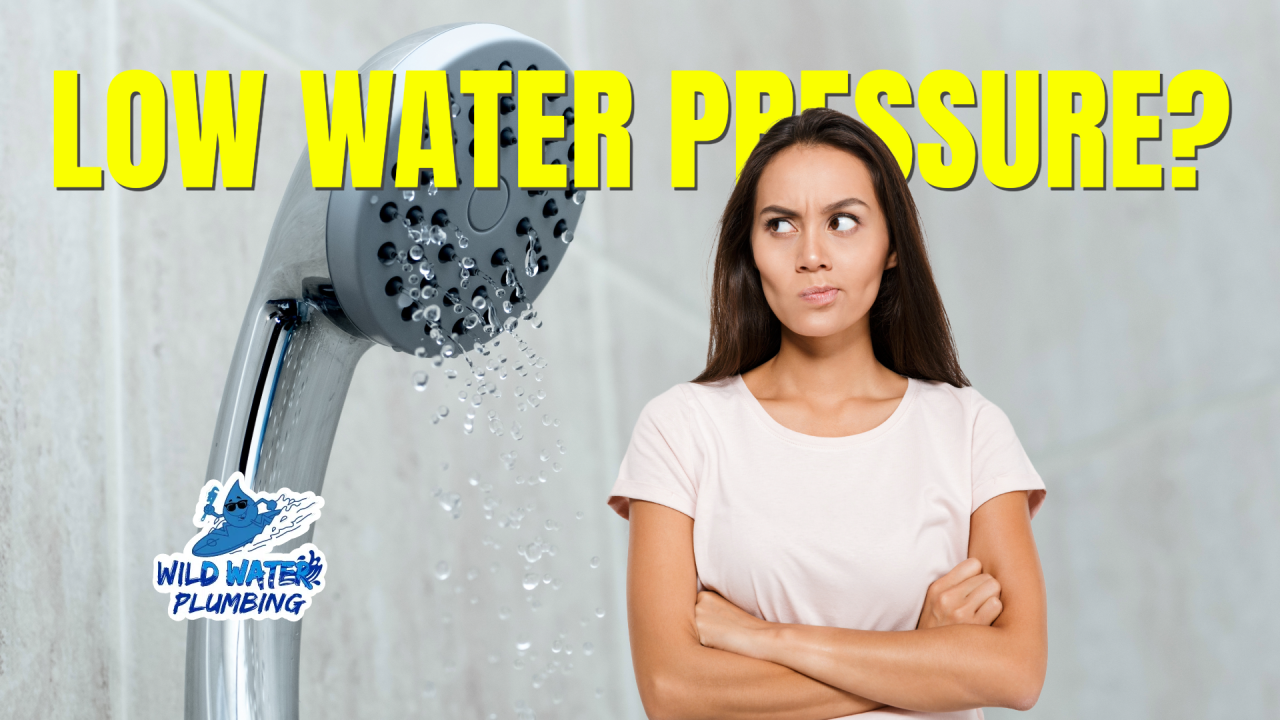
Have you noticed that your once-steady stream of water has slowed to a frustrating trickle?
Low water pressure often hints at more than a minor inconvenience; it can signal more significant issues lurking behind your walls.
From clogged components to outdated materials, countless factors play a role in that disappointing flow.
Here are 50 potential causes of low water pressure:
Blocked faucet screens
Inline sediment buildup
Old supply lines
Partially closed gate valve
Inefficient pressure regulator
Hidden pipe leaks
Rust inside pipes
Debris in aerators
Underpowered water pump
Corroded steel pipes
Inadequate main pressure
Malfunctioning heater tank
Improper pipe sizing
Unaddressed scale deposits
Worn pipe joints
Dirty pressure gauge
Defective pipe fittings
Twisted plumbing lines
Aerator blockages
Cracked pipe segments
Clogged water filters
Aging pipe materials
Jammed shut-off valves
Mineral-laden water supply
High system demand
Hidden underground damage
Damaged booster pump
Contaminated valve screens
Restricted flow valves
Trapped air pockets
Damaged household fixtures
Worn internal washers
Leaking toilet flapper
Weak municipal flow
Partial pipe obstructions
Uncalibrated water softener
Faulty meter valve
Bent copper tubing
Improper pipe slope
Loose hose connections
Obstructed valve stems
Over-extended piping runs
Surface corrosion inside
Broken pipe seals
Insufficient pipe thickness
Overly narrow pipelines
Untreated mineral scaling
Decaying pipe interiors
Unrepaired minor leaks
Unmaintained pressure tank
Don’t let weak water pressure become an ongoing struggle when the answers are closer than you think.
By identifying the root causes and applying the proper fixes, you can reclaim the comfort and reliability you deserve in your home’s plumbing.
Trust Wild Water Plumbing to navigate these challenges with you together.
We’ll restore the steady flow and peace of mind that make every drop count.