REPLACEMENT & INSTALLATION NEAR MESump Pump Repair
North Topsail Beach, NC
Are you having sump pump issues in North Topsail Beach, NC?
A failing sump pump is a major accident waiting to happen in your North Topsail Beach, NC, basement.
Did your sump pump stop working in your North Topsail Beach, NC, house? It would be best to fix it immediately.
Our sump pump repair service team at Wild Water Plumbing in North Topsail Beach, NC, can help save your home from water damage.
Why Choose Wild Water Plumbing for Your Sump Pump Repair?
We’re a team with thousands of hours of experience and a focus on quality. A broken sump pump in your North Topsail Beach, NC, home can cause major problems. If not replaced or repaired immediately, it can cause massive property damage.
How To Know Your Basement’s Sump Pump in North Topsail Beach, NC, Needs to Be Replaced
- Unusual Noises: Grinding sounds can mean mechanical issues that need attention.
- Frequent Cycling: Frequent cycling of your sump pump could indicate a faulty float switch or wiring issue.
- Visible Rust or Damage: Dirt and grime will affect your sump pump’s effectiveness.
This is our Sump Pump Diagnostic Process for North Topsail Beach, NC, homeowners:
The inspection begins with a visual inspection of the equipment to determine what is wrong. Our plumbers replace the old sump pump in your North Topsail Beach, NC, home with an energy-efficient and reliable one.
Sump Pump Repair, Inspection, Replacement, & Installation Services North Topsail Beach, NCWild Water Plumbing Reviews
Sump Pump Repair, Inspection, Replacement, & Installation Services North Topsail Beach, NCWild Water Plumbing Reviews
ASK ABOUT OUR VETERAN DISCOUNT!Free Sump Pump Repair or Installation Quote for North Topsail Beach, NC
Recent Jobs and Reviews in North Topsail Beach, NC
Reviews
Great Job
Quick! Job done right.
– North Topsail Beach, NC 28460
Overall Experience
Quality
Price
Convenience
Job Locations

Garbage disposal
North Topsail Beach, NC 28460

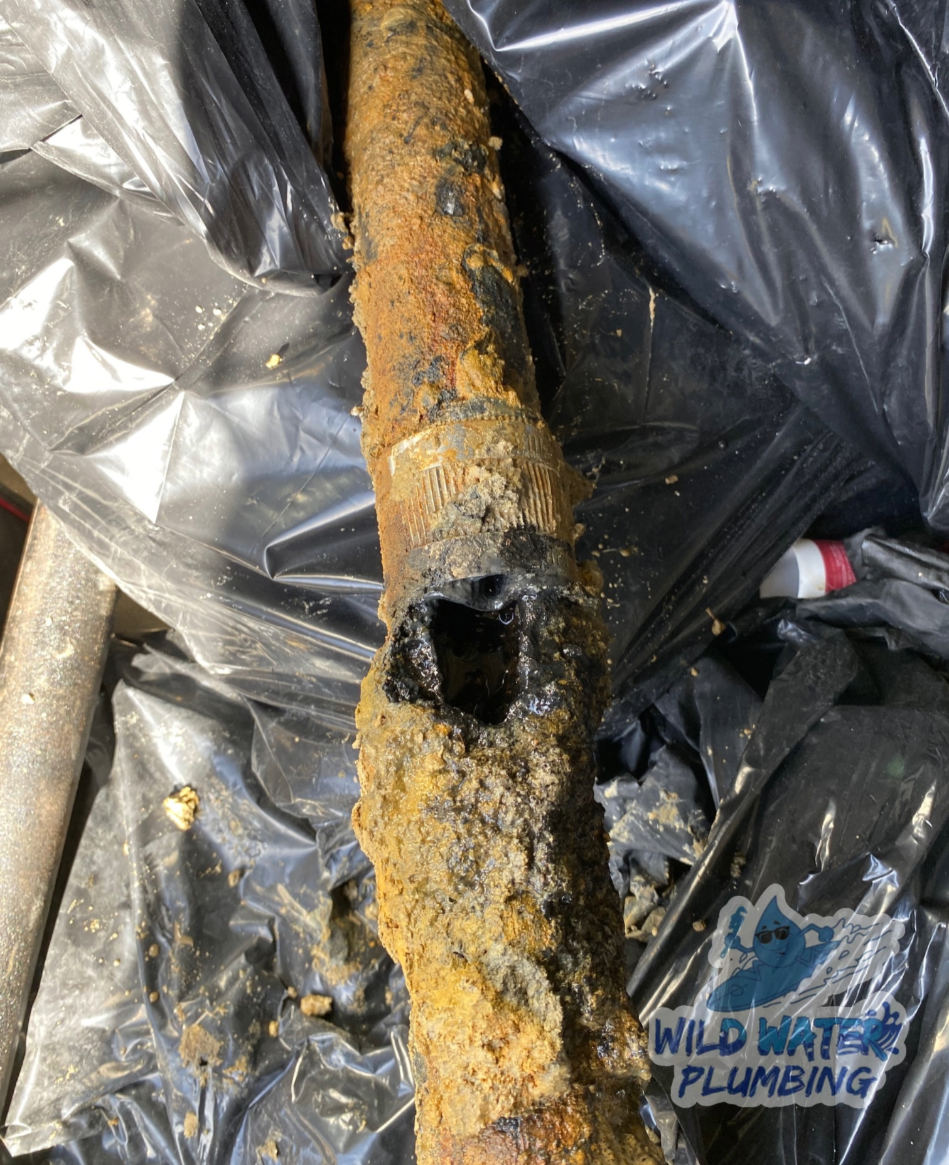
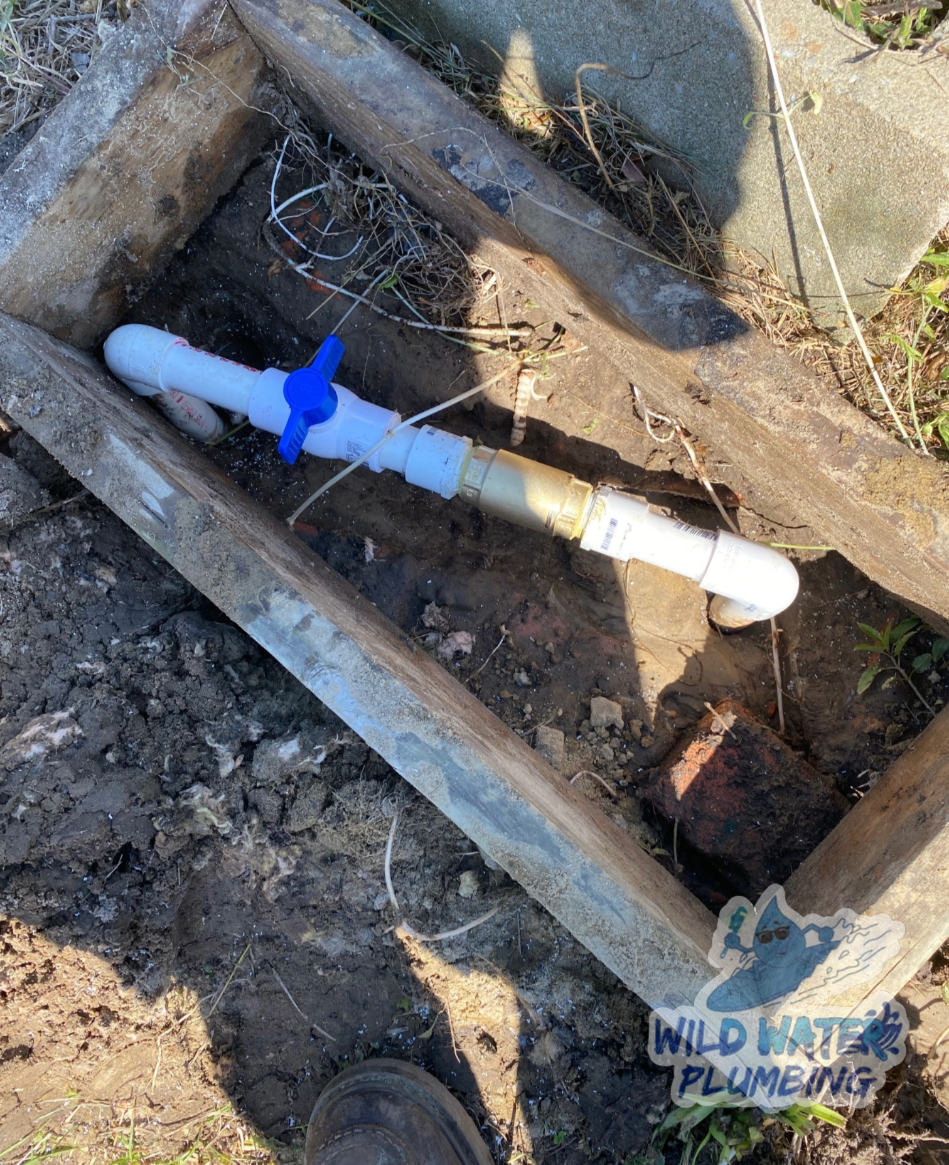
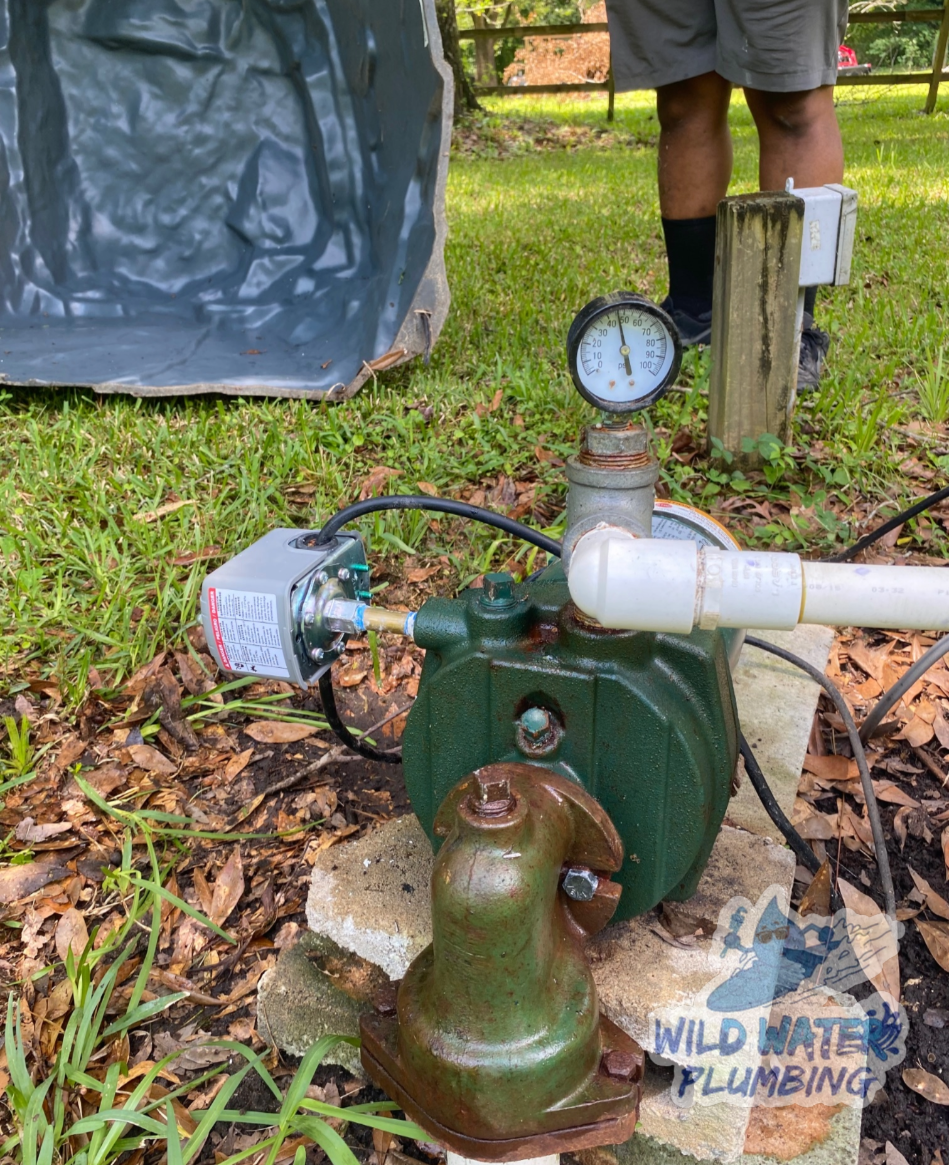
Replaced coupling on sub pump
North Topsail Beach, NC 28460
Hose bib
North Topsail Beach, NC 28460

Shower valve
North Topsail Beach, NC 28460
Repair water line on dock
North Topsail Beach, NC 28460
New water heater install
North Topsail Beach, NC 28460

VETERAN PLUMBER NEAR YOUPlumbing Service Areas
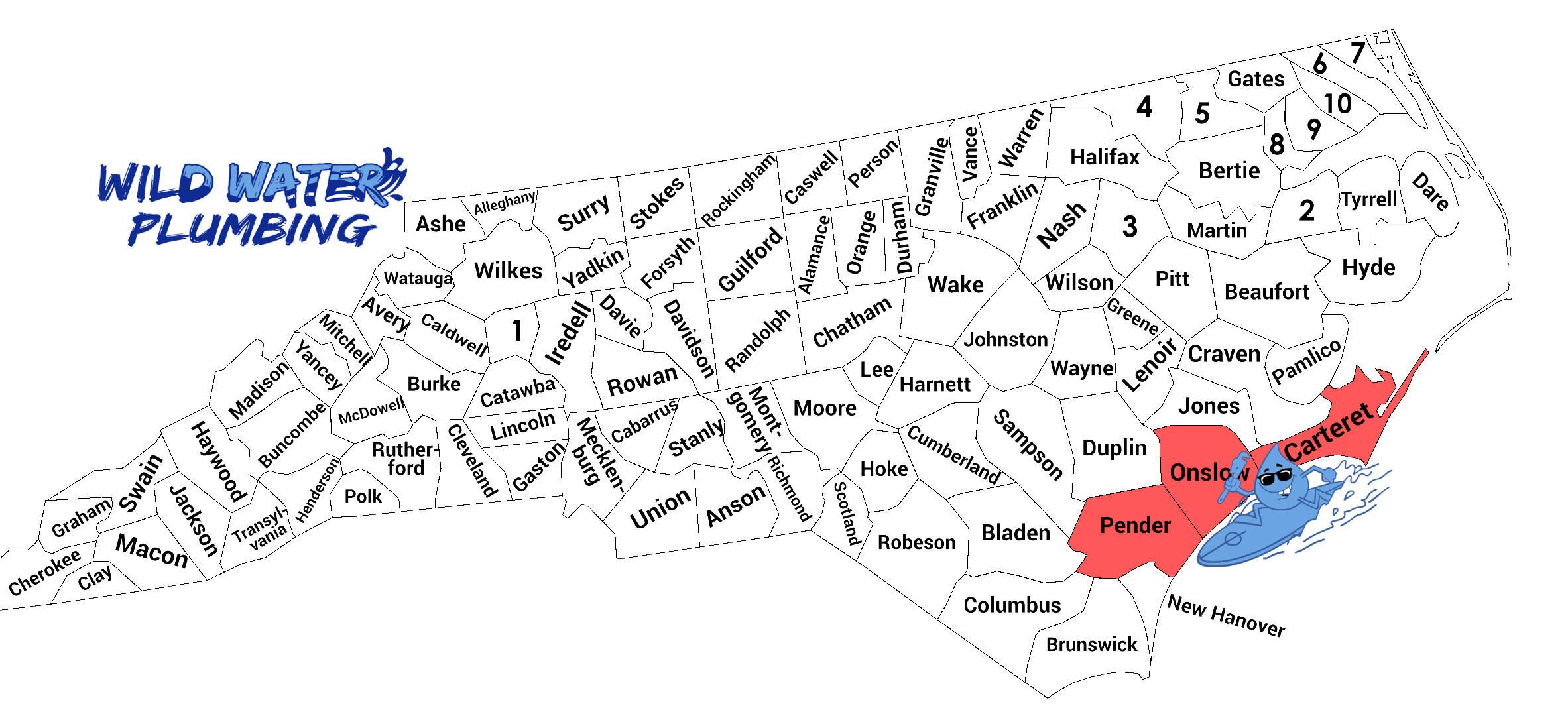
Onslow County, NC
If you’re in Onslow County, NC, here’s a list of all the towns and cities we proudly serve:

Pender County, NC
If you’re in Pender County, NC, we’re ready to serve you. Here are all the towns and cities we proudly cover:

Carteret County, NC
If you’re in Carteret County, NC, we’re ready to serve you. Here are all the towns and cities we proudly cover:
Veteran Owned Plumbing Repair, Inspection, & Installation Services.
Plumbing Services
Additional Services
Plumbing Tips
PENDER, CARTERET, NEW HANOVER & ONSLOW COUNTIESAffordable Plumbing Services For Greater Jacksonville, North Carolina
