AFFORDABLE PLUMBERS NEAR YOU Sump Pump Repair & Replacement
Carolina Beach, NC
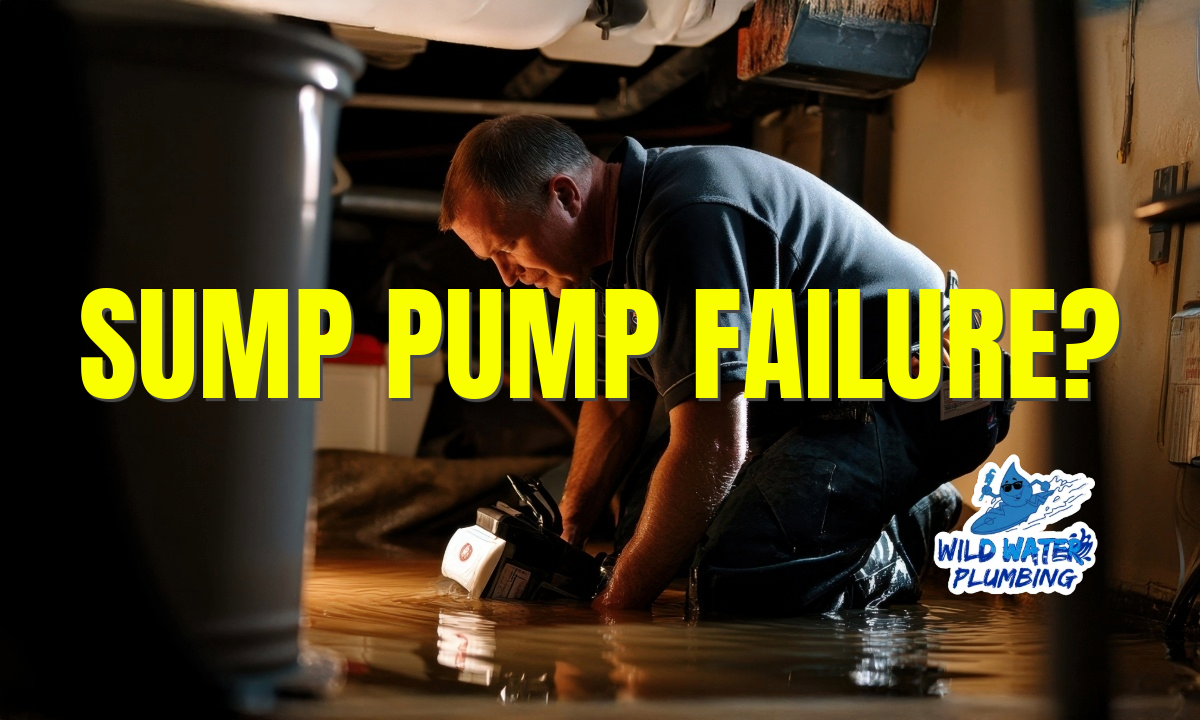
Are you having sump pump issues in Carolina Beach, NC?
A failing sump pump is a major accident waiting to happen in your Carolina Beach, NC, basement.
Did your sump pump stop working in your Carolina Beach, NC, house? It would be best to fix it immediately.
Our sump pump repair service team at Wild Water Plumbing in Carolina Beach, NC, can help save your home from water damage.
Why Choose Wild Water Plumbing for Your Sump Pump Repair or Replacement Services?
I’m Justin Wilder, owner of veteran-owned Wild Water Plumbing. On Carolina Beach, NC, coastal storms and rising tides put your basement at risk the moment your sump pump falters. That’s why we offer rapid repair, robust replacements, and battery-backup installations—engineered to withstand hurricane-force conditions and safeguard your home, day or night.
How To Know Your Basement’s Sump Pump in Carolina Beach, NC, Needs to Be Replaced
- Grinding or Rattling: If you hear loud grinding noises between metal parts your pump needs immediate professional inspection because it’s experiencing mechanical stress.
- Rapid On/Off Cycling: Your sump pump entering rapid cycles of activation and deactivation indicates either a defective float switch or wiring problems which requires immediate repair to prevent burnout.
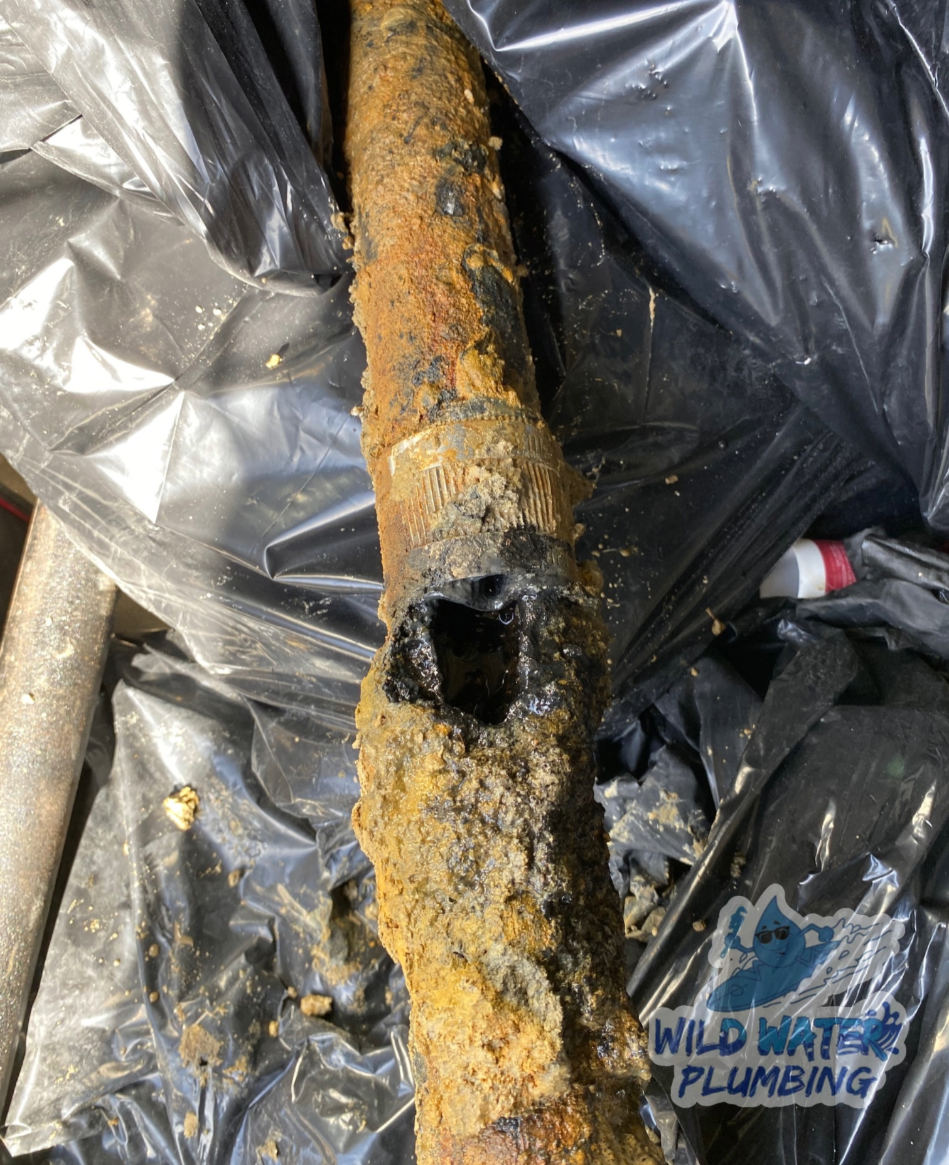
- Corrosion or Visible Damage: Your pump’s efficiency and lifespan suffer from rust accumulation, sediment buildup or dents so scheduling a professional tune-up will help restore its peak performance.
This is our Sump Pump Diagnostic Process for Carolina Beach, NC, homeowners:
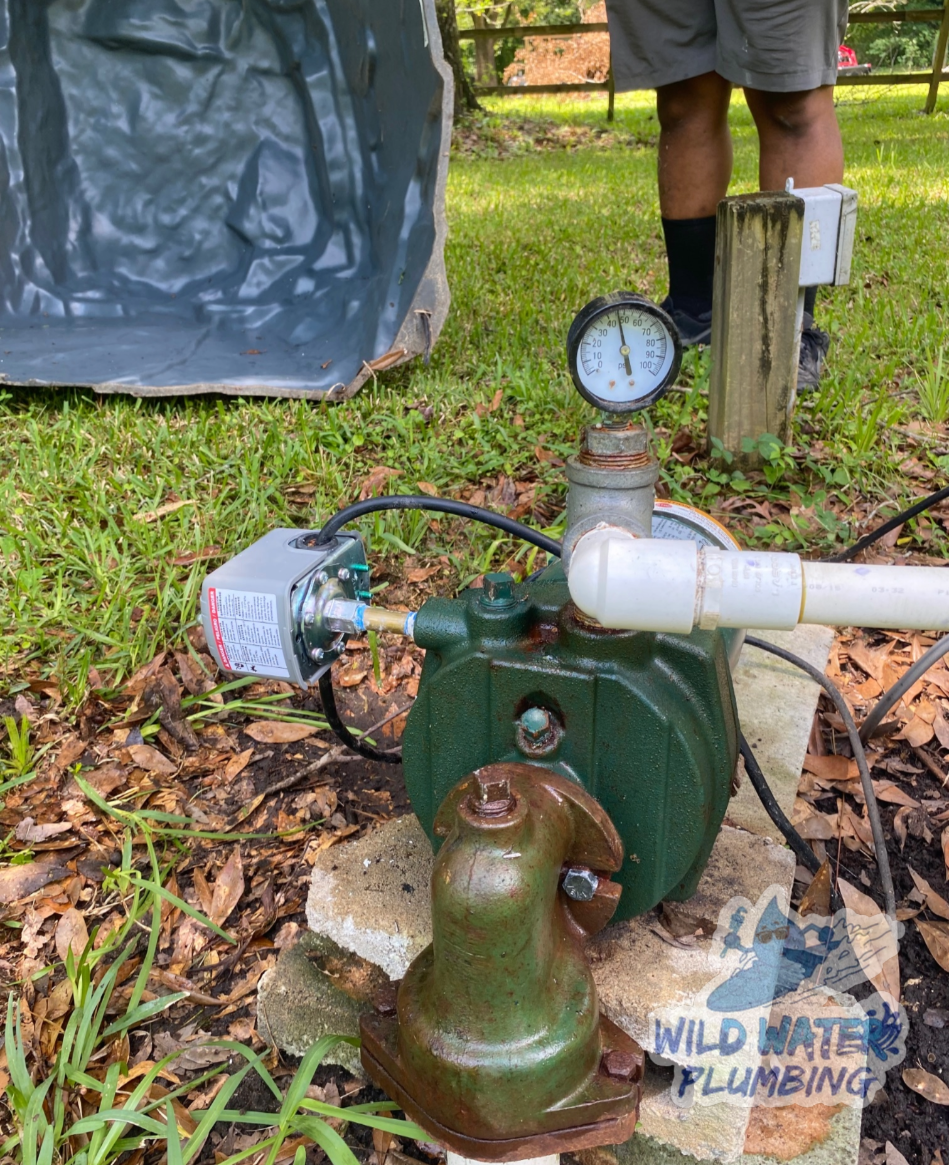
The inspection begins with a visual inspection of the equipment to determine what is wrong. Our plumbers replace the old sump pump in your Carolina Beach, NC, home with an energy-efficient and reliable one.
Sump Pump Repair, Inspection, Replacement, & Installation Services Carolina Beach, NCWild Water Plumbing Reviews
We swap worn-out units for storm-proof powerhouses built to last.Schedule your free inspection today to fortify your home against storm surge.
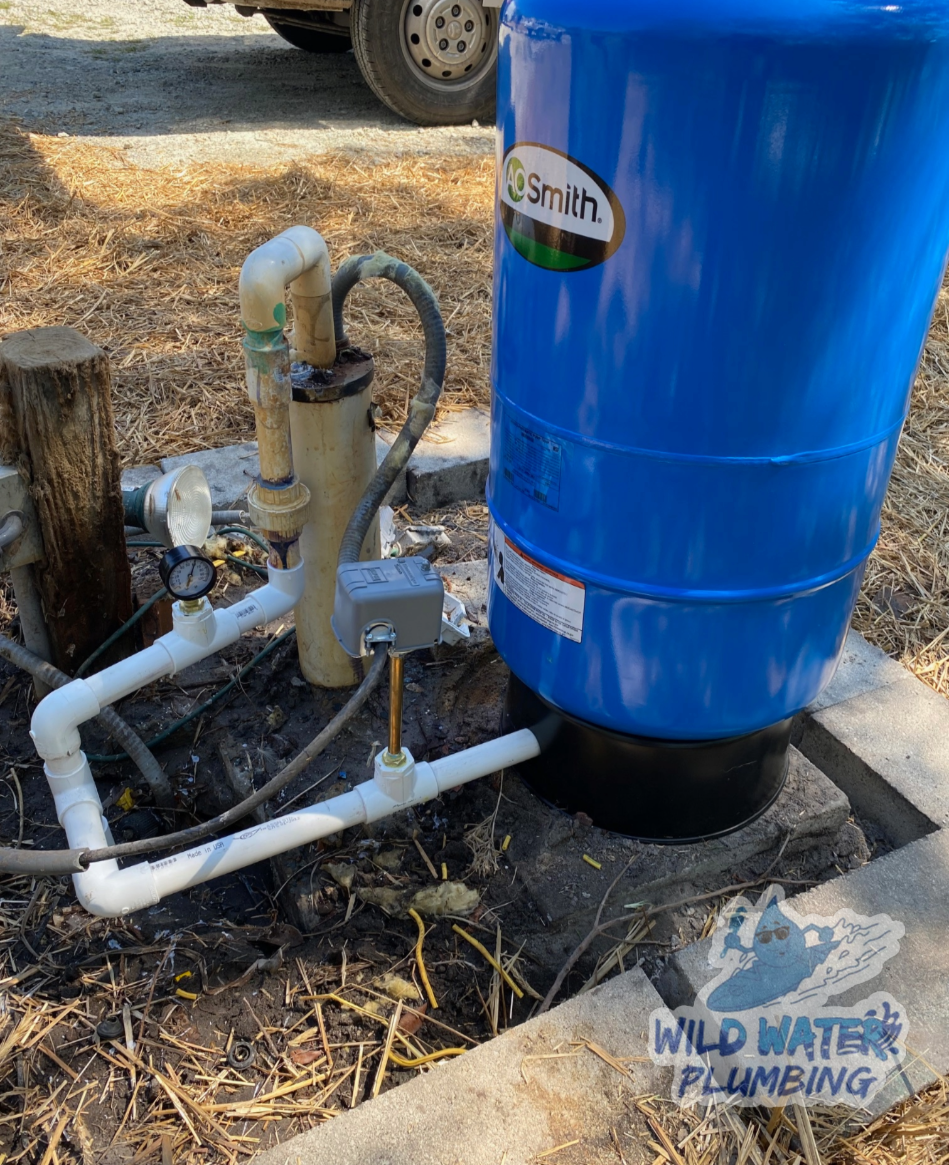
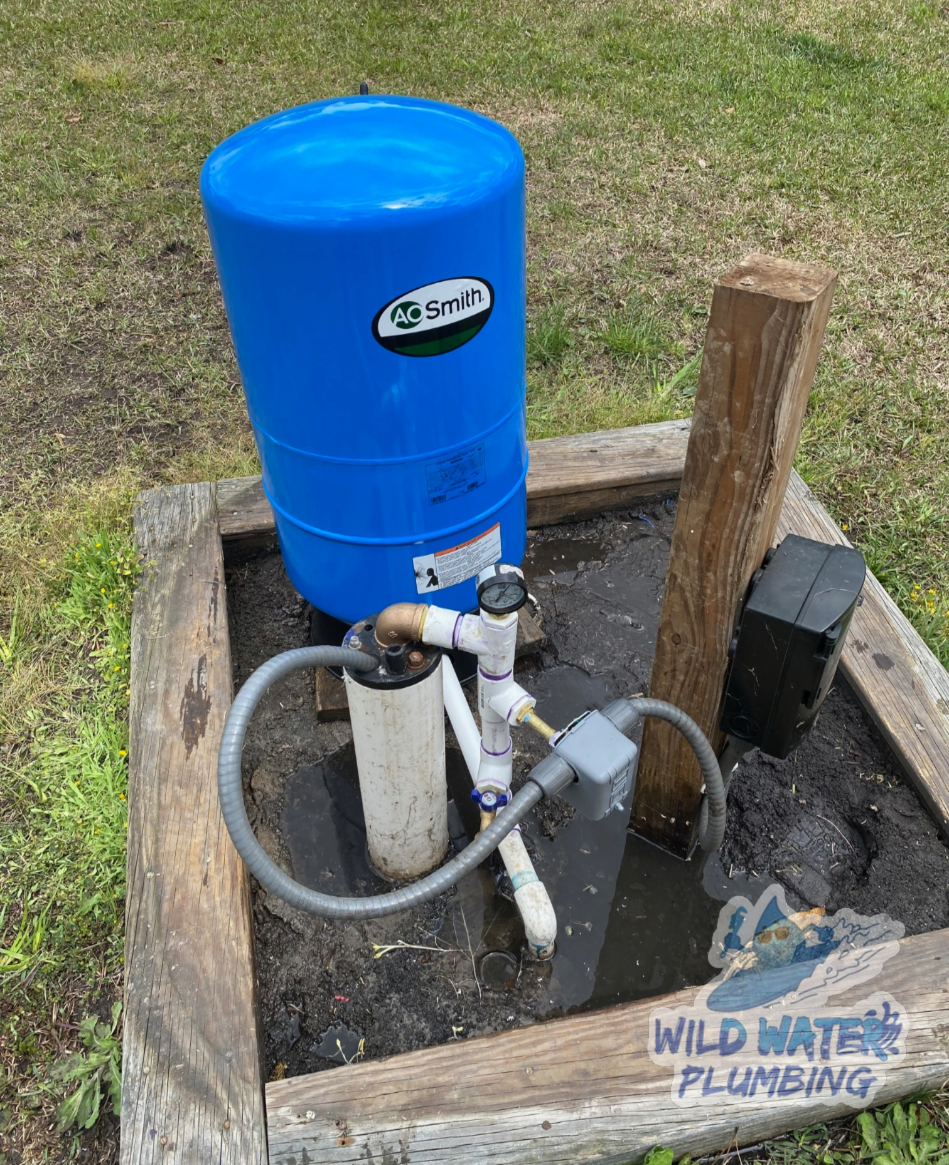
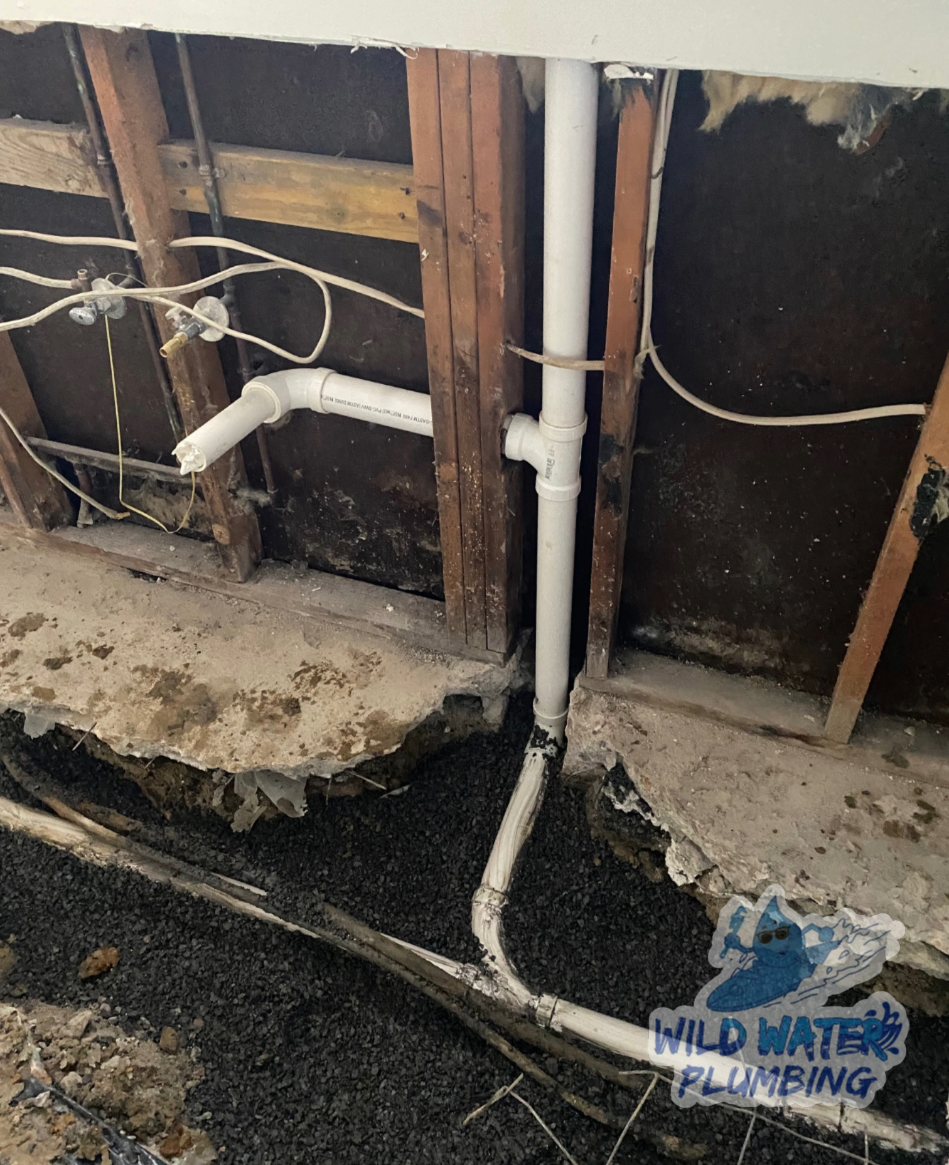
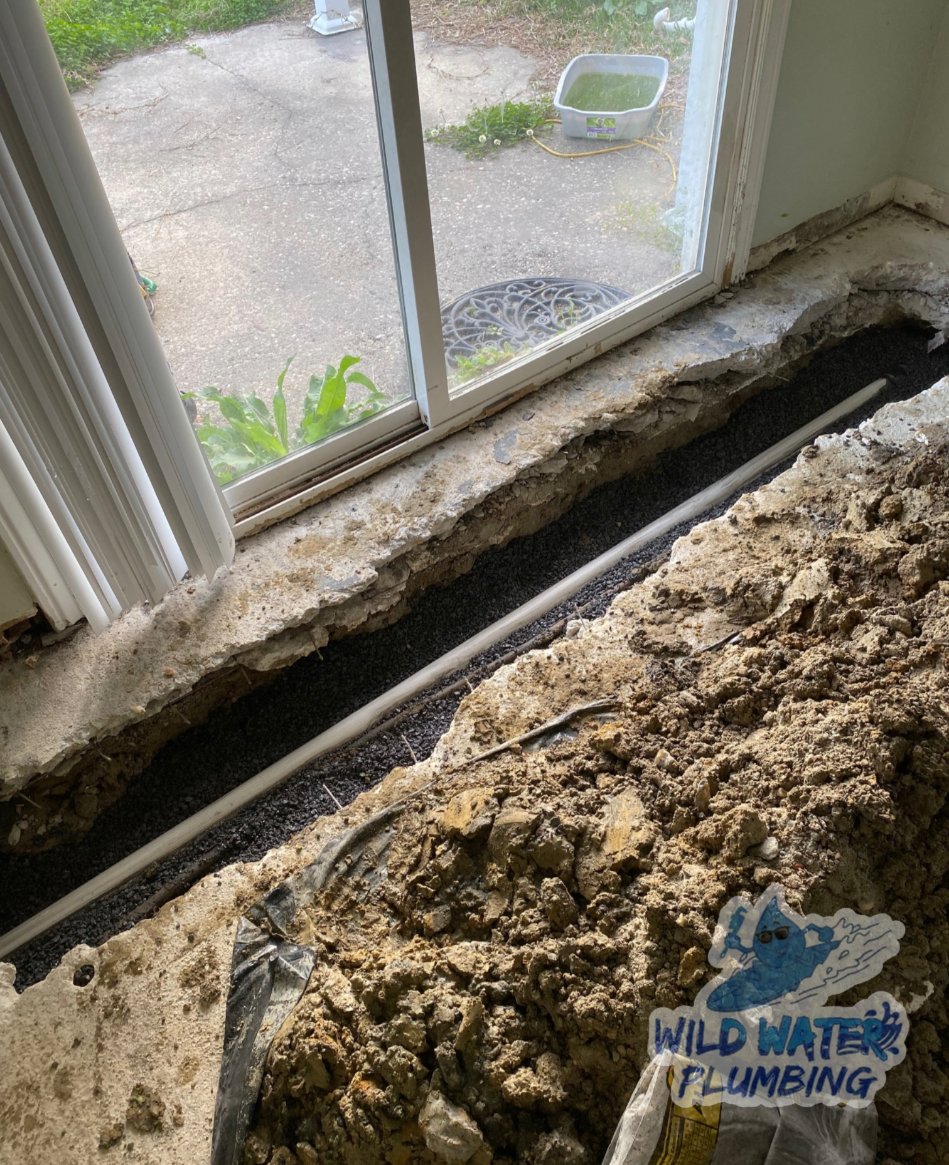
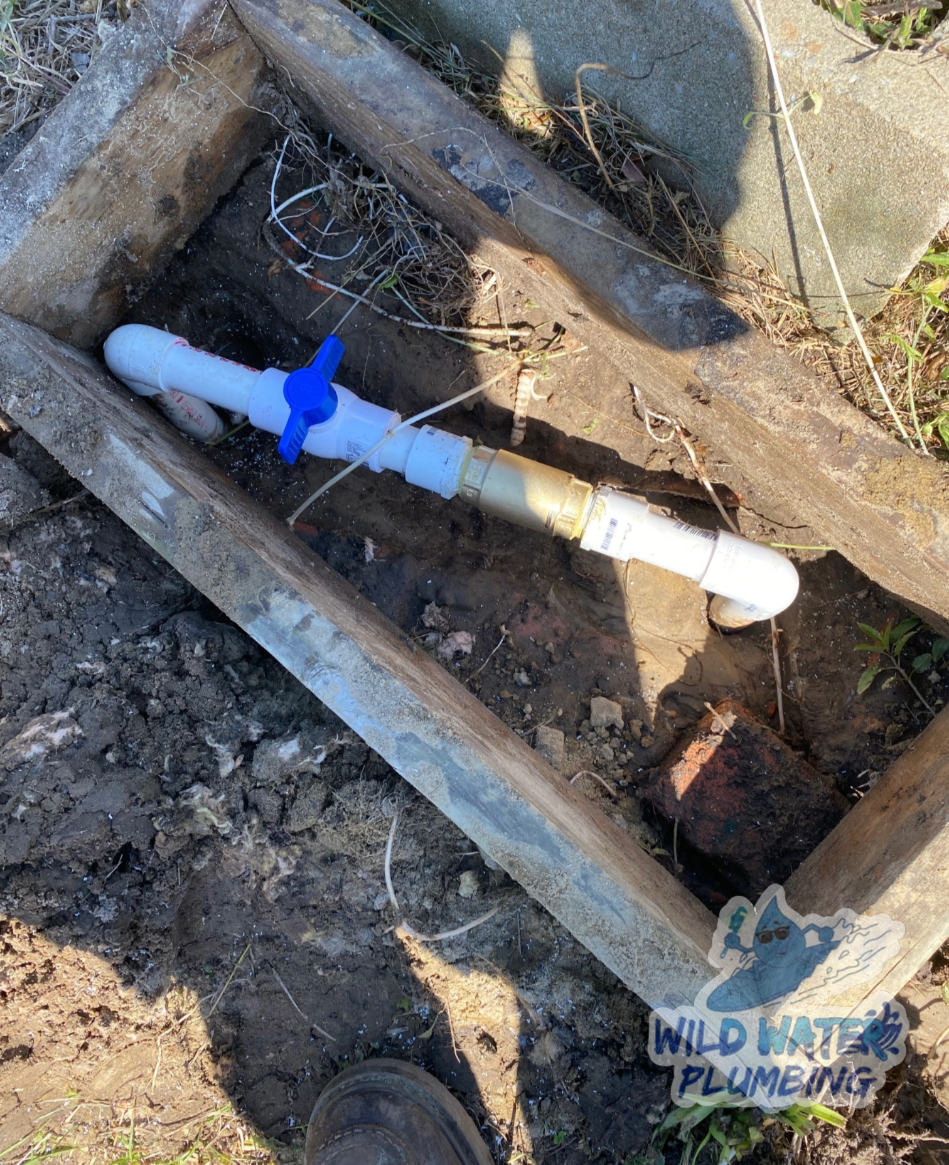
Recent Jobs and Reviews in Carolina Beach, NC
VETERAN PLUMBER NEAR YOUPlumbing Service Areas
New Hanover County, NC
Pender County, NC
Carteret County, NC
New Hanover County, NC
Veteran Owned Plumbing Repair, Inspection, & Installation Services.
Plumbing Services
Additional Services
Plumbing Tips
PENDER, CARTERET, NEW HANOVER & ONSLOW COUNTIESAffordable Plumbing Services For Greater Jacksonville, North Carolina
