Frequently Asked Questions
What are the signs that my sump pump needs repair?
The signs that your sump pump needs repair include unusual noises during operation, frequent cycling on and off, signs of water accumulation in your basement, and a sump pump that runs continuously without stopping.
How often should I replace my sump pump?
The frequency of sump pump replacement depends on usage and maintenance, but generally, it's advisable to replace your sump pump every 7 to 10 years to ensure optimal performance and prevent potential water damage.
What maintenance does a sump pump require?
The maintenance a sump pump requires includes regular inspections, cleaning of the pump and discharge lines, testing the float switch, and ensuring the backup battery is functional. This helps ensure optimal performance and prevents unexpected failures.
What causes sump pump failures?
Common causes of sump pump failures include power outages, clogged pump intakes, mechanical failure, improper installation, and lack of maintenance. Regular checks and timely repairs can help prevent these issues, ensuring effective water management in your home.
How can I test my sump pump?
To test your sump pump, fill the pit with water until the float rises and activates the pump. Ensure it removes water efficiently and check for any unusual noises or leaks during operation.
What are common sump pump issues?
Common sump pump issues include clogging, mechanical failure, improper installation, and power outages. Regular maintenance and timely repairs are essential to ensure your sump pump operates effectively and protects your home from water damage.
How long do sump pumps typically last?
Sump pumps typically last between 5 to 15 years, depending on factors like usage, maintenance, and the quality of the unit. Regular maintenance can help extend their lifespan and ensure optimal performance in preventing water damage.
Should I consider a backup sump pump?
Considering a backup sump pump is important for ensuring continuous protection against flooding. It provides an additional layer of security in case your primary pump fails, ensuring your basement remains dry and safe during heavy rain or power outages.
What are the costs of sump pump repair?
The costs of sump pump repair can vary based on the issue's complexity, typically ranging from $150 to $500. Wild Water Plumbing offers competitive pricing and is committed to providing quality service to ensure your sump pump functions effectively.
When is the best time for sump pump maintenance?
The best time for sump pump maintenance is before the rainy season begins, typically in early spring. This proactive approach ensures your sump pump is functioning optimally to prevent water damage during heavy rainfall.
Can I install a sump pump myself?
Installing a sump pump yourself is possible but requires careful consideration and technical knowledge. If you’re unsure about the process, hiring a professional can ensure proper installation and optimal performance.
How does a sump pump work?
The way a sump pump works is by collecting water from the basement or crawl space through a drain system, then automatically pumping it away from the house to prevent flooding and water damage.
What is the difference between types of sump pumps?
The difference between types of sump pumps lies in their power sources and functionalities. The two main types are pedestal pumps, which are elevated and often more affordable, and submersible pumps, which operate underwater for greater efficiency and lower noise levels.
How do I choose the right sump pump?
Choosing the right sump pump involves considering factors such as your basement's size, water table level, and potential water influx. Evaluate pump capacity, type (submersible or pedestal), and necessary features like battery backup for reliable performance during power outages.
What are the benefits of regular sump pump maintenance?
The benefits of regular sump pump maintenance include enhanced efficiency and reliability, prevention of unexpected failures, and extended lifespan of the pump. Proper upkeep helps protect your home from water damage, ensuring a dry and safe living environment.
How does weather affect sump pump performance?
Weather significantly impacts sump pump performance. Heavy rainfall or rapid snowmelt increases water accumulation, requiring pumps to work harder, while freezing temperatures can cause malfunction or freeze the discharge lines, hampering effectiveness in preventing water damage.
What is the process for sump pump installation?
The process for sump pump installation involves assessing the site, selecting the appropriate pump, excavating the area, and connecting the discharge piping. After the installation, a thorough testing ensures the system operates effectively to prevent water damage.
Are there energy-efficient sump pumps available?
Energy-efficient sump pumps are available and can help reduce electricity costs while providing reliable drainage in your home. These pumps are designed to operate more effectively, ensuring your basement remains dry without consuming excessive energy.
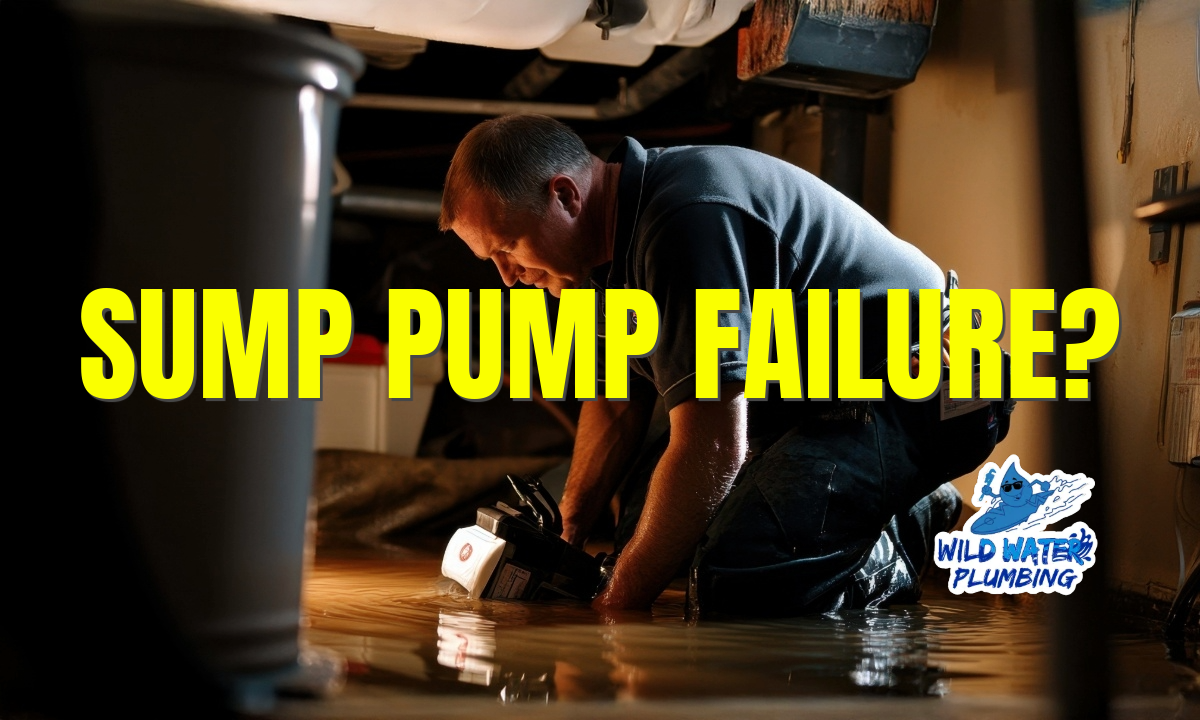
What should I do during a sump pump failure?
During a sump pump failure, you should first check the power supply and ensure that the pump is plugged in. If it's a significant issue, contact a professional plumber to assess and repair the pump promptly to prevent water damage.
How do I know if my sump pump is working?
To determine if your sump pump is working, regularly test it by pouring water into the sump pit. If the pump activates and drains the water effectively, it is functioning properly. Regular maintenance checks are also advisable.
What are the advantages of sump pump replacement?
The advantages of sump pump replacement include enhanced efficiency, reduced risk of water damage, and increased reliability. A new sump pump ensures optimal performance, providing peace of mind and protection for your home against flooding in basements.
Can sump pumps prevent mold growth in basements?
Sump pumps can help prevent mold growth in basements by effectively removing excess water and maintaining lower humidity levels. By keeping the area dry, sump pumps create a less favorable environment for mold to thrive.
What noise indicates a sump pump problem?
The noise that indicates a sump pump problem often includes gurgling, grinding, or unusual loud noises. These sounds may suggest issues such as a blockage, a failing motor, or a need for maintenance, requiring prompt inspection.
How often should I inspect my sump pump system?
Regular inspections of your sump pump system are essential for optimal performance. It’s recommended to check your sump pump at least twice a year, ideally in the spring and fall, to ensure it's functioning properly and to prevent potential water damage.
What are the signs of a failing sump pump?
The signs of a failing sump pump include unusual noises, frequent cycling on and off, signs of water around the pump, and inadequate water removal. Addressing these issues promptly can prevent water damage in your home.
Is it safe to leave a sump pump running?
Leaving a sump pump running is generally safe, especially if it is in good working condition. It plays a crucial role in preventing water buildup and protecting your home from water damage.
What type of warranty comes with sump pumps?
The type of warranty that comes with sump pumps typically includes a limited manufacturer's warranty, which usually covers defects in materials and workmanship for around 1 to 3 years. Some models may offer extended warranties for added protection.
How can I avoid sump pump clogs?
To avoid sump pump clogs, regularly inspect and clean the sump pit, remove debris, and ensure that the intake screen is clear. Additionally, schedule routine maintenance with a professional to keep your sump pump functioning effectively.
What should I do after a sump pump repair?
After a sump pump repair, you should monitor the pump's operation to ensure it's working properly, check for any unusual noises or vibrations, and test it by pouring water into the pit to confirm it activates correctly.
How do sump pumps handle heavy rainfall?
Sump pumps manage heavy rainfall by actively pumping water away from your home's foundation, preventing flooding and water damage in basements. They automatically activate when water levels rise, ensuring your space stays dry during intense storms.