OUTDOOR SPIGOTS - SERVICING GREATER JACKSONVILLE NCHouse Bib Repair
& Replacement
We also know that repair or replacement may be more challenging than it seems. That’s why we’re here to help.
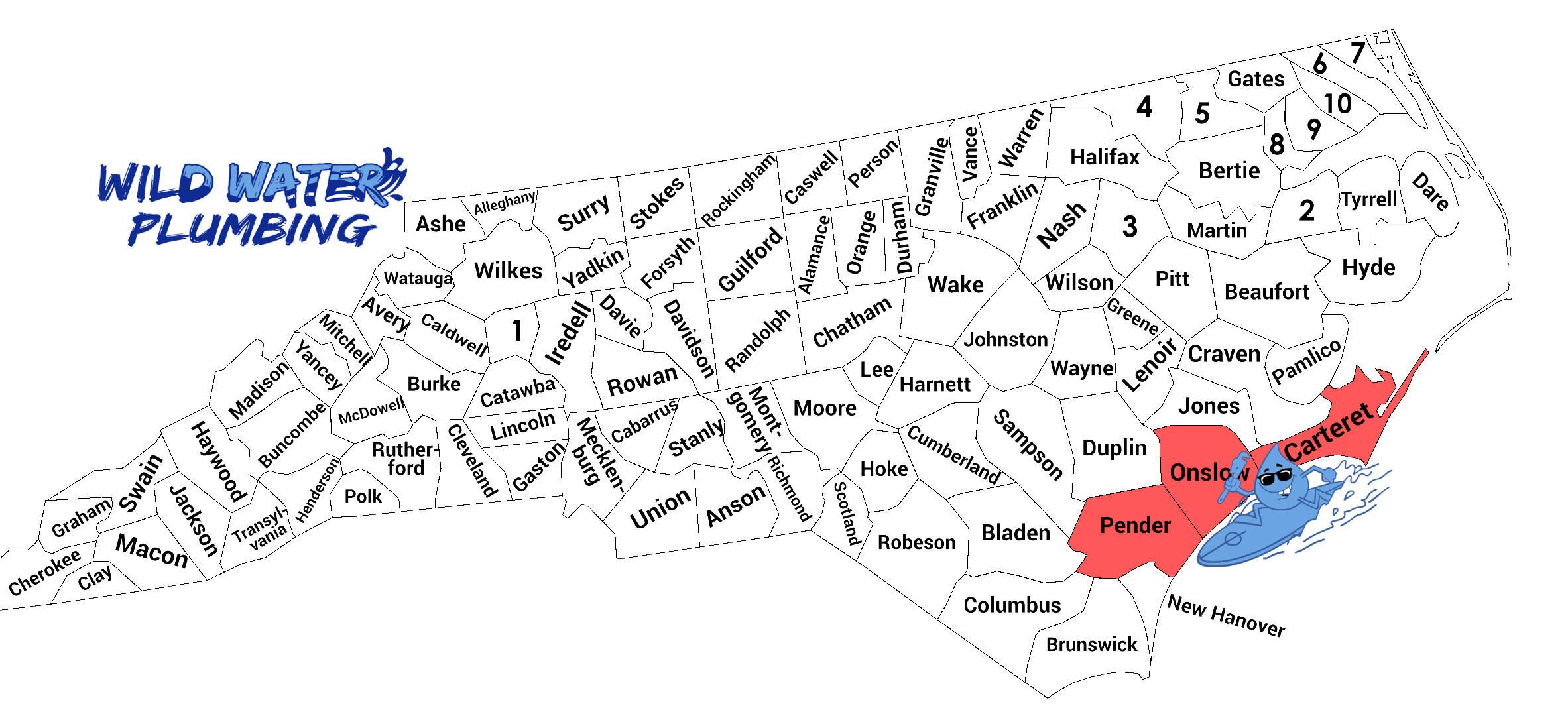
PENDER, JONES, CARTERET, & ONSLOW COUNTIESMain Signs It’s Time for Hose Bib Leak Repair & Replacement
A hose bib is called a sillcock or spigot! It is a fitting against your house’s exterior with a valve to control the water flow.
The hose bib connects to your house water source to water your plants, wash your car, and more.
Most hose bibs last year had no problem. But eventually it must be repaired or replaced.
These are signs it is time for hose bib replacement in Greater Jacksonville, NC:
Water is leaking from the handle
Water is leaking from the spout
The water pressure is low
The handle is hard to turn
The hose bib is frozen
Outdoor Water Spigot for Pender, Carteret, & Onslow Counties.Wild Water Plumbing Reviews
Outdoor Water Spigot for Pender, Carteret, & Onslow Counties.Wild Water Plumbing Reviews
Recent Jobs and Reviews in Jacksonville, NC
Reviews
Water valve replacement
Josh was friendly, knowledgeable and got the job done. Even learned a few things. Thank you Josh! The price was a bit much but thats capitalism.
– Jacksonville, NC 28540
Overall Experience
Quality
Price
Convenience
Total satisfaction
Cleaned all 75 year old cast iron drains first then replaced all heavily corroded drains that refused to be cleaned. Great job Josh! He deserves a bonus!
– Jacksonville, NC 28540
Overall Experience
Quality
Price
Convenience
Luke was great! Same day service. Problem solved!
Luke was great! He talked me through the diagnostic and strategy for repair and was able to complete everything the same day with the problems solved. I will definitely be using Wild Water Plumbing again! Thank you!
– Jacksonville, NC 28546
Overall Experience
Quality
Price
Convenience
Exceptional Service
Amazing and knowledgeable!
– Jacksonville, NC 28540
Overall Experience
Quality
Price
Convenience
Great Job!
I sent Wild Water Plumbing an email Saturday night informing them I needed a new bathroom faucet installed. The reply stated Josh could be there at 0930 Monday. He arrived promptly, assessed the situation, and completed the job quickly and efficiently. We are very pleased with everything! This is the second job for which we have used Wild Water Plumbing.
– Jacksonville, NC 28546
Overall Experience
Quality
Price
Convenience
Excellent service!
– Jacksonville, NC 28546
Overall Experience
Quality
Price
Convenience
Excellent service
They were very nice and he helped me with the bill getting it done. Sorry I didn’t remember there names.
– Jacksonville, NC 28540
Overall Experience
Quality
Price
Convenience
Service Oriented and Prompt.
Joshua and his team were terrific. Replaced my 19-yr-old water heater promptly. Will be happy to use Wild Water Plumbing for any future needs.
– Jacksonville, NC 28540
Overall Experience
Quality
Price
Convenience
Quick and excellent service
I called them in the morning and they came out same. There was no fee for them to look at the problem. They were forthcoming with the different options and associated costs.
– Jacksonville, NC 28540
Overall Experience
Quality
Price
Convenience
Outstanding work!
Luke was very professional and his approachable manner made this experience stress free! He explained the issue and answered all my questions. He did a thorough job and walked me through the entire process, even as far as letting me know to register the new water heater to avoid claims issues should they happen in the future. Luke did an outstanding job!
– Jacksonville, NC 28540
Overall Experience
Quality
Price
Convenience
Job Locations

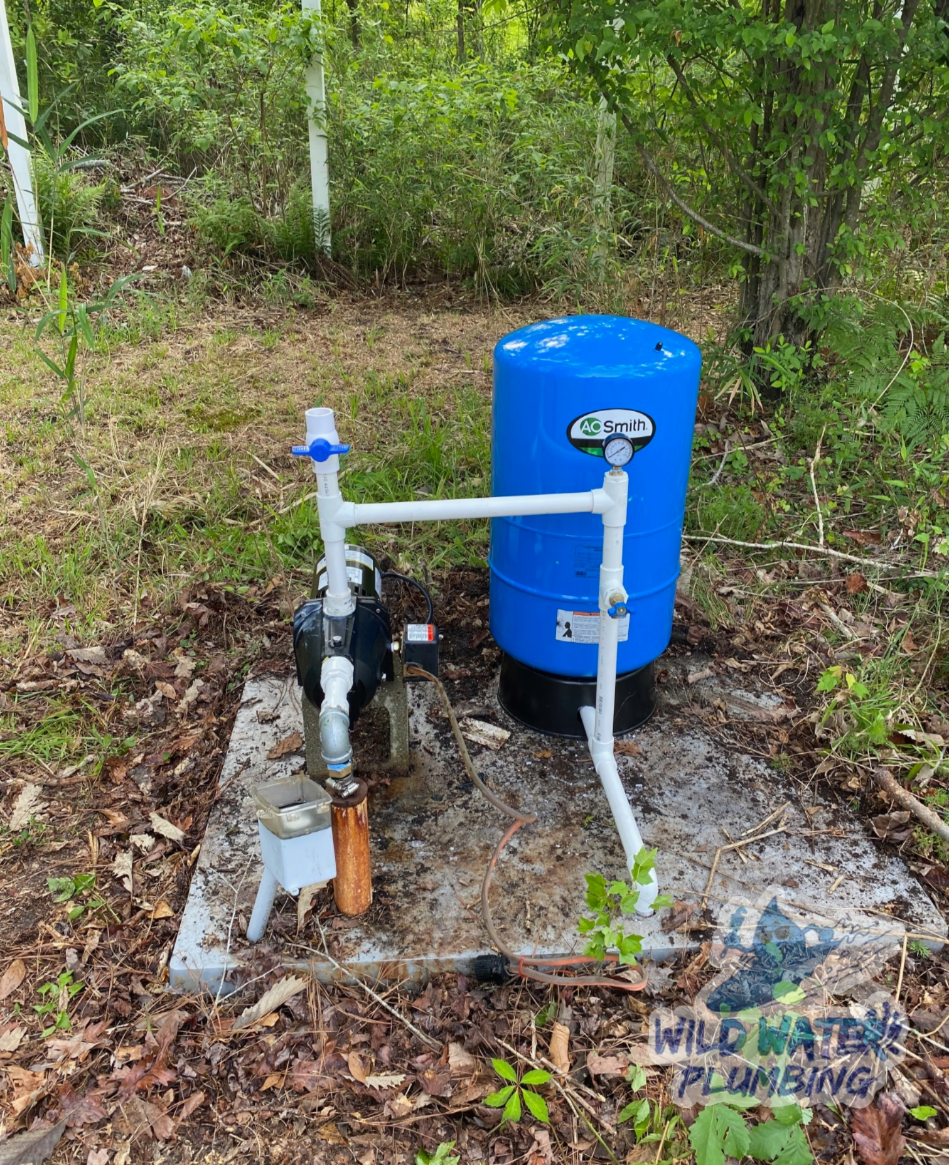
Well pump
Jacksonville, NC 28546

Water heater
Jacksonville, NC 28546
Bathroom repair
Jacksonville, NC 28546

garbage disposal
Jacksonville, NC 28546
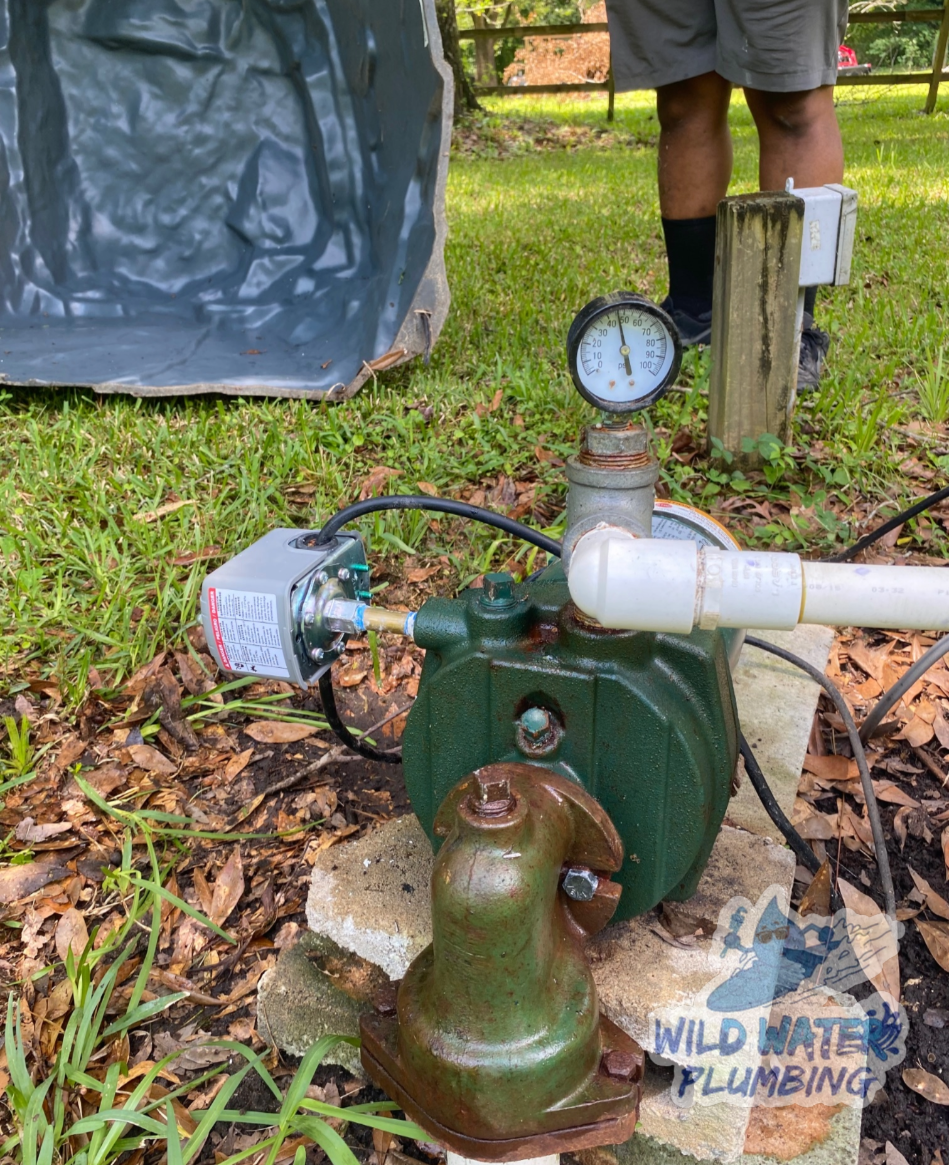
Well repair
Jacksonville, NC 28540
ice maker valve
Jacksonville, NC 28546
ice maker valve
Jacksonville, NC 28546
Sink repair
Jacksonville, NC 28546
Water heater
Jacksonville, NC 28546
Shower repair
Jacksonville, NC 28540
VETERAN PLUMBER NEAR YOUPlumbing Service Areas


New Hanover County, NC
- Wilmington
- Wrightsville Beach
- Carolina Beach
- Figure Eight Island
- Porters Neck
- Murrayville
- Myrtle Grove
Veteran Owned Plumbing Repair, Inspection, & Installation Services.
Plumbing Services
Additional Services
Plumbing Tips
PENDER, CARTERET, NEW HANOVER & ONSLOW COUNTIESAffordable Plumbing Services For Greater Jacksonville, North Carolina
