Servicing Greater Jacksonville and Richlands • Veteran Owned
Cleaner Water, Stronger Pressure, No Monthly Bill.
A well gives you independence and control over your own water. We install, repair, and maintain complete well water systems across Onslow, Pender, and New Hanover Counties, plus Cedar Point.
Full system installs • Repairs and maintenance • Honest pricing, no surprises
Well Water Is the Backbone of Eastern NC
A private well is one of the most independent ways to supply a home, and here it is the norm rather than the exception. That independence comes with one obligation attached.
Population and contamination figures from peer reviewed North Carolina private well research and NCDHHS data. Testing guidance from NCDHHS Private Wells.
The Water That Worries Us Tastes Fine
Here is the uncomfortable bit about private wells. Almost everything you can taste, see, or smell in your water is a nuisance. Almost everything that could actually harm someone is invisible. These two glasses could be from either kind of well, and nothing about looking at them would tell you which.
What you will notice
- Iron and manganese, which stain fixtures and laundry
- Hardness, which scales kettles and stops soap lathering
- Sediment, which makes water look cloudy or gritty
- Hydrogen sulphide, which is the rotten egg smell
Worth fixing, and all of it treatable. None of it is why we are telling you to test.
What you will not
- Total coliform and E. coli bacteria
- Nitrate, which matters most for infants and pregnancy
- Arsenic, which occurs naturally in some NC groundwater
- Lead, usually from the plumbing rather than the aquifer
No taste, no smell, no colour, no cloudiness. A test is the only way anyone finds these, which is exactly why up to 46 percent is a number worth taking seriously.
And this is why the order matters. Treatment has to match the result, because none of it is general purpose. A softener deals with hardness and does nothing whatever about bacteria. Ultraviolet deals with bacteria and does nothing about iron. A reverse osmosis unit gives you excellent drinking water at one tap and changes nothing at the other twelve. Buying equipment on symptoms means buying for the problems you can notice, which are the ones that were never the point.
Testing programme per NCDHHS Private Wells. Test at least annually and after any flooding.
Signs Your Well System Needs Attention
Six things you will actually notice. Worth acting on, and worth remembering that a system showing none of them still needs testing.
Low water pressure
A weak stream at every tap usually points at the pump or the pressure tank rather than at the water itself.
Strange taste or odor
A rotten egg smell or a metallic edge. Unpleasant, and almost always a nuisance issue rather than a health one.
Cloudy or discolored water
Sediment, or iron and manganese coming out of solution once the water hits air.
Sputtering or air in the lines
Air being drawn into the system somewhere, often a dropping water level or a leak on the suction side.
A spike in your electric bill
A pump working far harder than it should, which usually means something upstream of it has failed.
Staining on fixtures or laundry
Orange or brown is iron. Black is manganese. Both stain, neither is dangerous, and both are treatable.
Private Well vs City Water
The honest version, including the row most comparisons leave out.
| Feature | Private well | City water |
|---|---|---|
| Monthly bill | None after install | Ongoing, every month |
| Additives | No chlorine or fluoride added | Treated with chemicals |
| Control over treatment | Fully yours | Set by the utility |
| During shortages | Keeps flowing | Subject to restrictions |
| Testing responsibility | The homeowner | The utility |
| Upkeep | Occasional maintenance | Handled by the city |
Testing responsibility is the row that decides how much the rest of this table is worth.
What a Complete System Is Made Of
Four parts, and a fault in one of them very often shows up as a symptom of another.
The Pump
Sits in the well and moves water to the house. Covered in full on our well pump page.
Pressure Tank and Switch
Stores pressurised water and tells the pump when to run. Where a great many pump problems actually start.
Filtration and Treatment
Whatever your test says you need, and nothing you do not. Sized to the house rather than to the sales sheet.
Well Casing and Screen
Protects the well from surface water and keeps sediment out. A failure here shows up as dirty water.
What Neglect Actually Costs
One of these is a health question. The other three are money.
A Health Risk You Cannot See
The contaminants that matter most do not change how water looks, tastes, or smells. Without a test, a household can be exposed for years without noticing anything at all.
Damaged Appliances
Hard water and iron scale up water heaters, dishwashers, and washing machines, and shorten the life of every one of them.
A System Working Too Hard
Clogged filtration and a struggling pump cost more to run every month and fail sooner than they should.
A Bigger Bill Later
Almost everything on a well system is cheaper to maintain than to replace, and the gap between those two is what neglect buys.
The DIY Gamble
A system sized wrong delivers weak pressure or burns out fast
Treatment bought on guesswork instead of a test result
Live 240 volt wiring around water
Sanitation mistakes that contaminate your own supply
Nobody checks whether the parts actually work together
The Wild Water Way
A system sized correctly for your home and water demand
Treatment matched to what a test actually found
Licensed, insured handling of the electrical work
Sanitary handling that protects your water supply
The whole system tested and balanced before we leave
How We Work
Assess
We look at the whole system, pump to tap, and find out what you actually have.
Test
Water tested so any treatment is matched to a result rather than a guess.
Install or Repair
Sized properly for the house, fitted properly, and balanced before we leave.
Maintain
Simple annual servicing that keeps it healthy rather than waiting for it to fail.
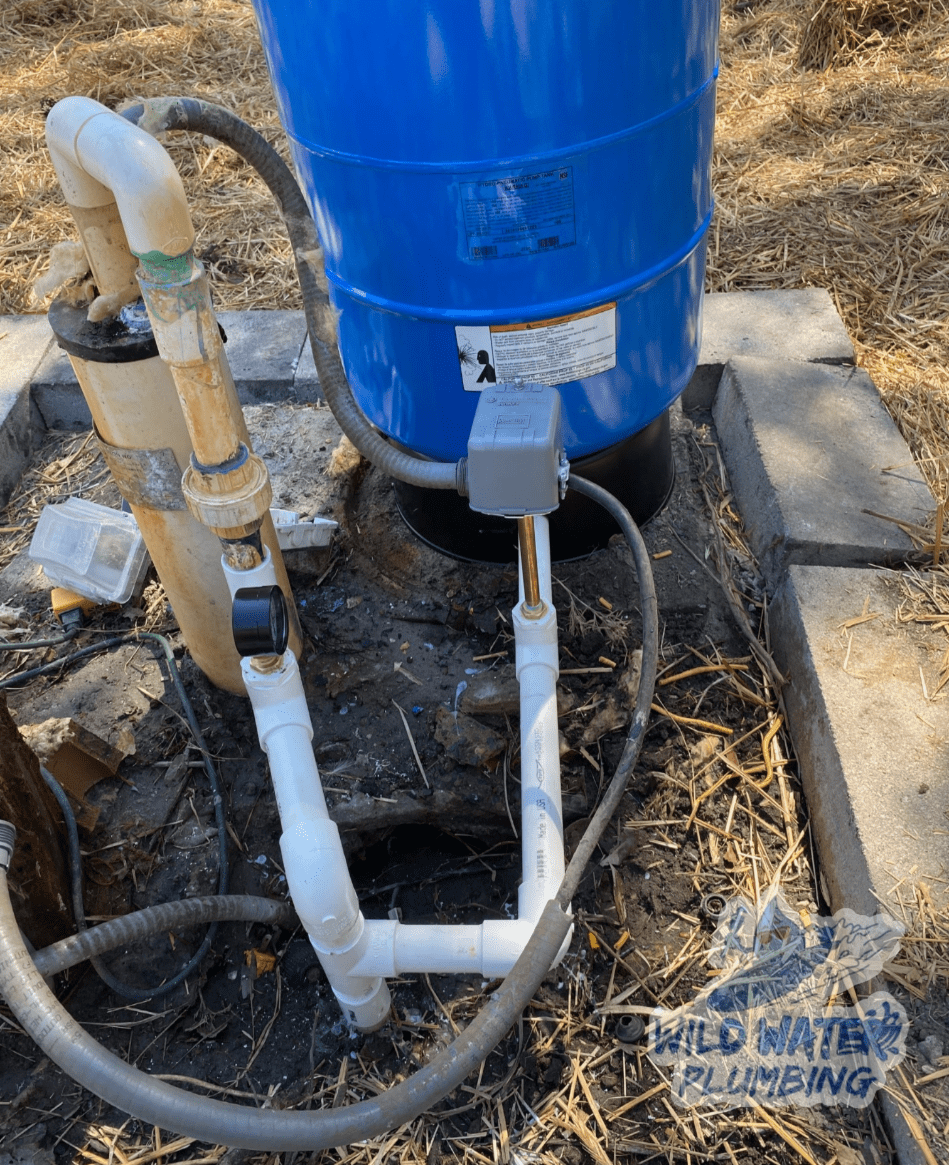
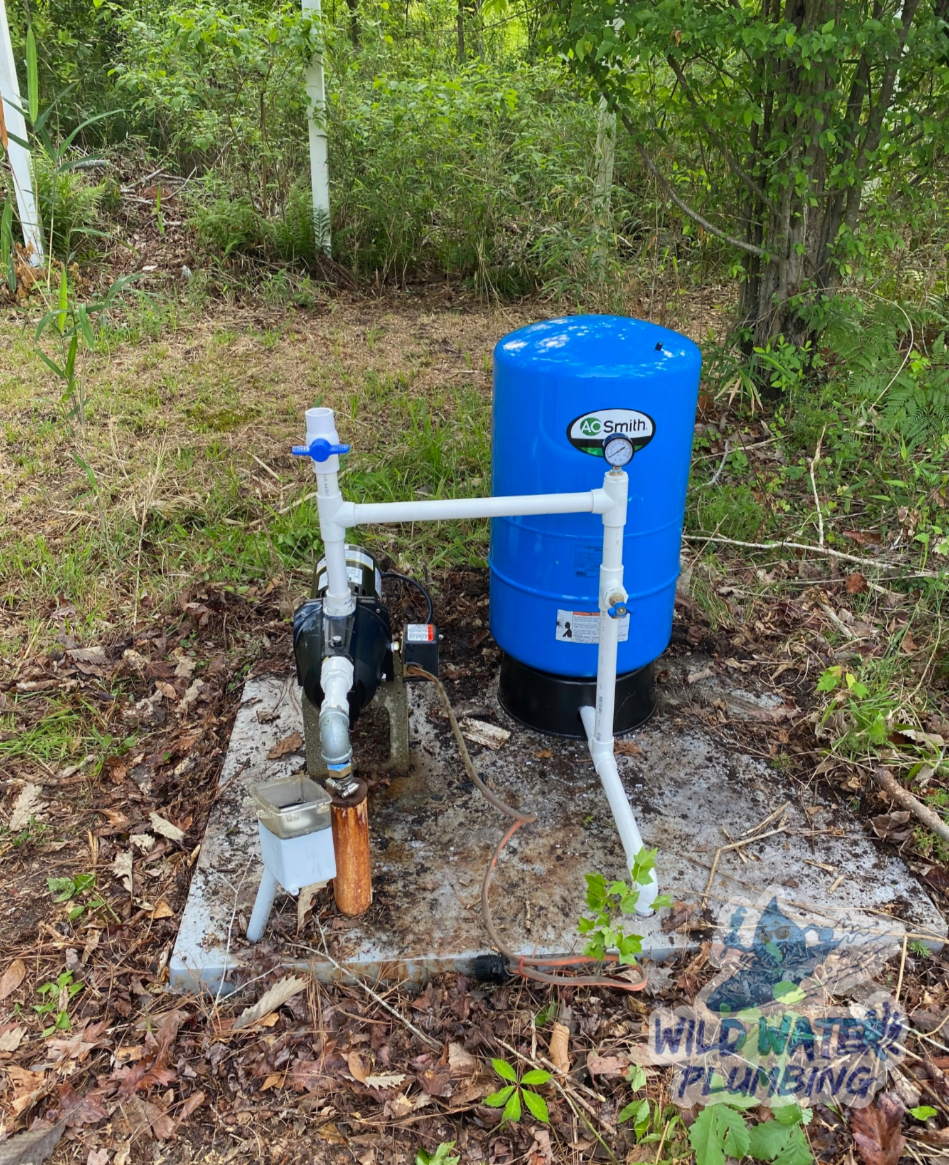
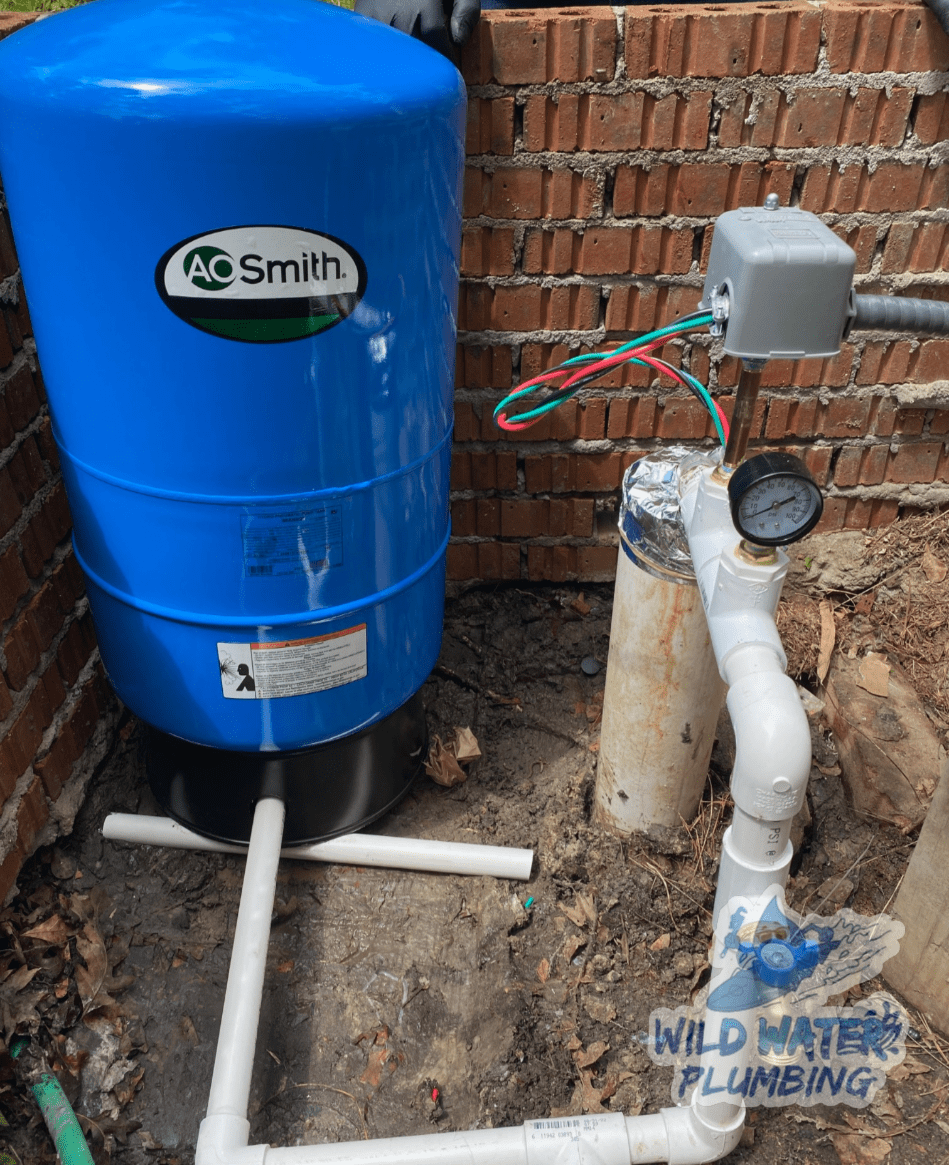
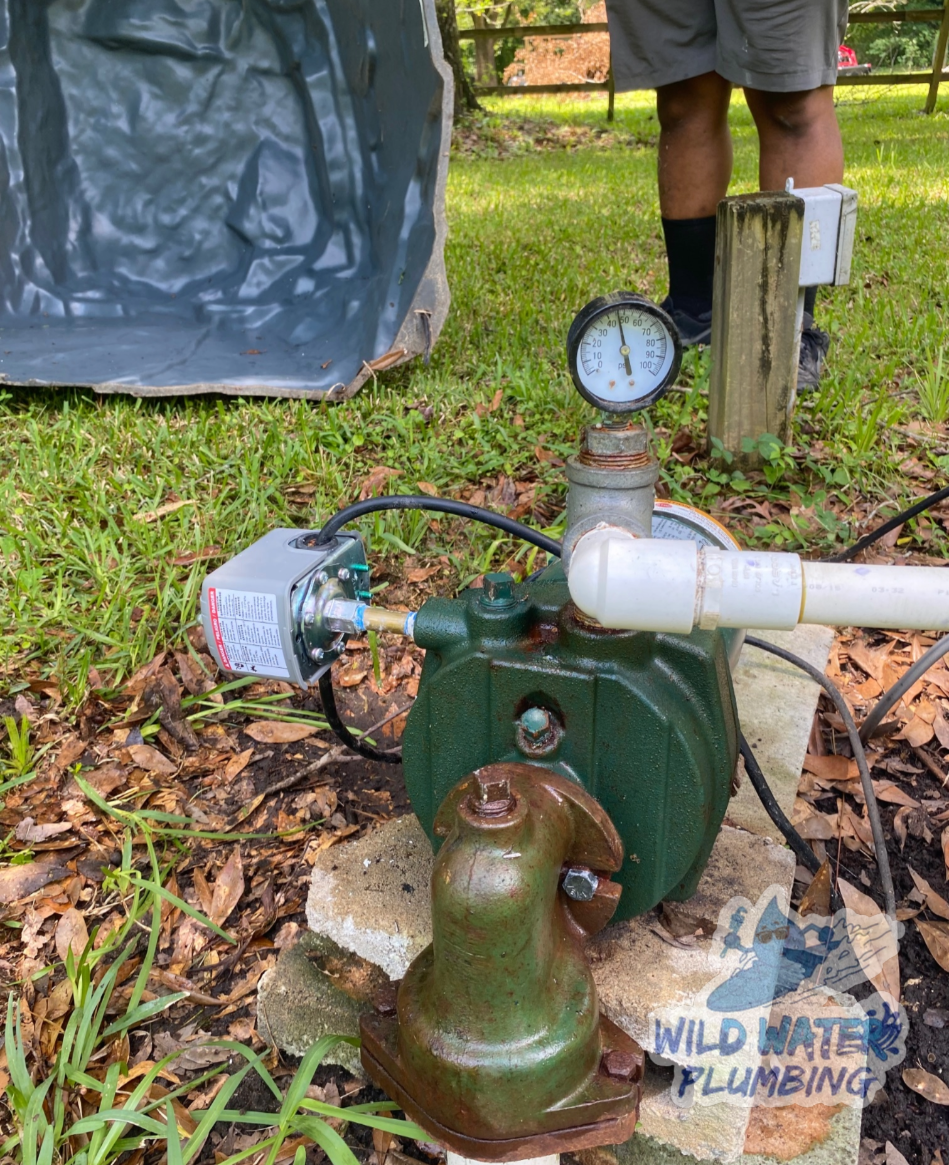
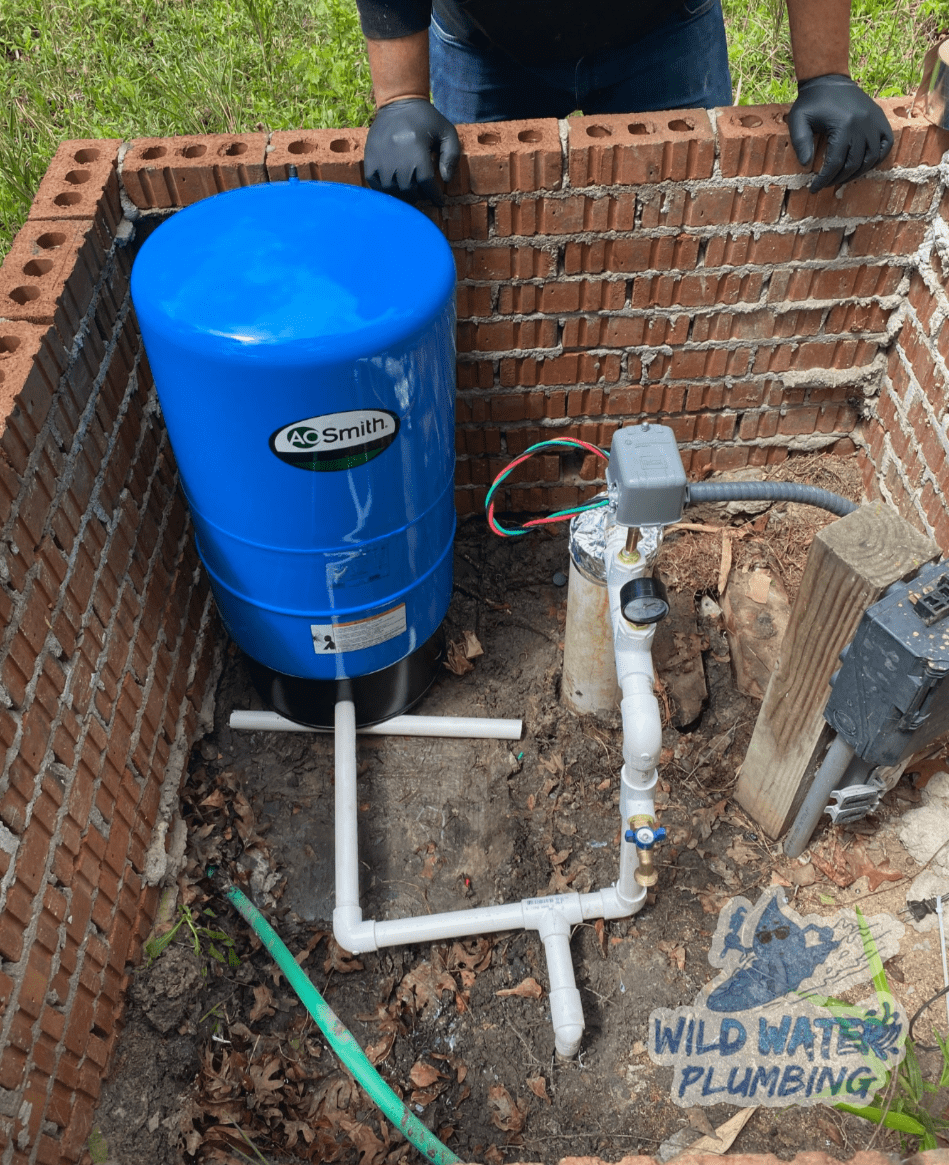
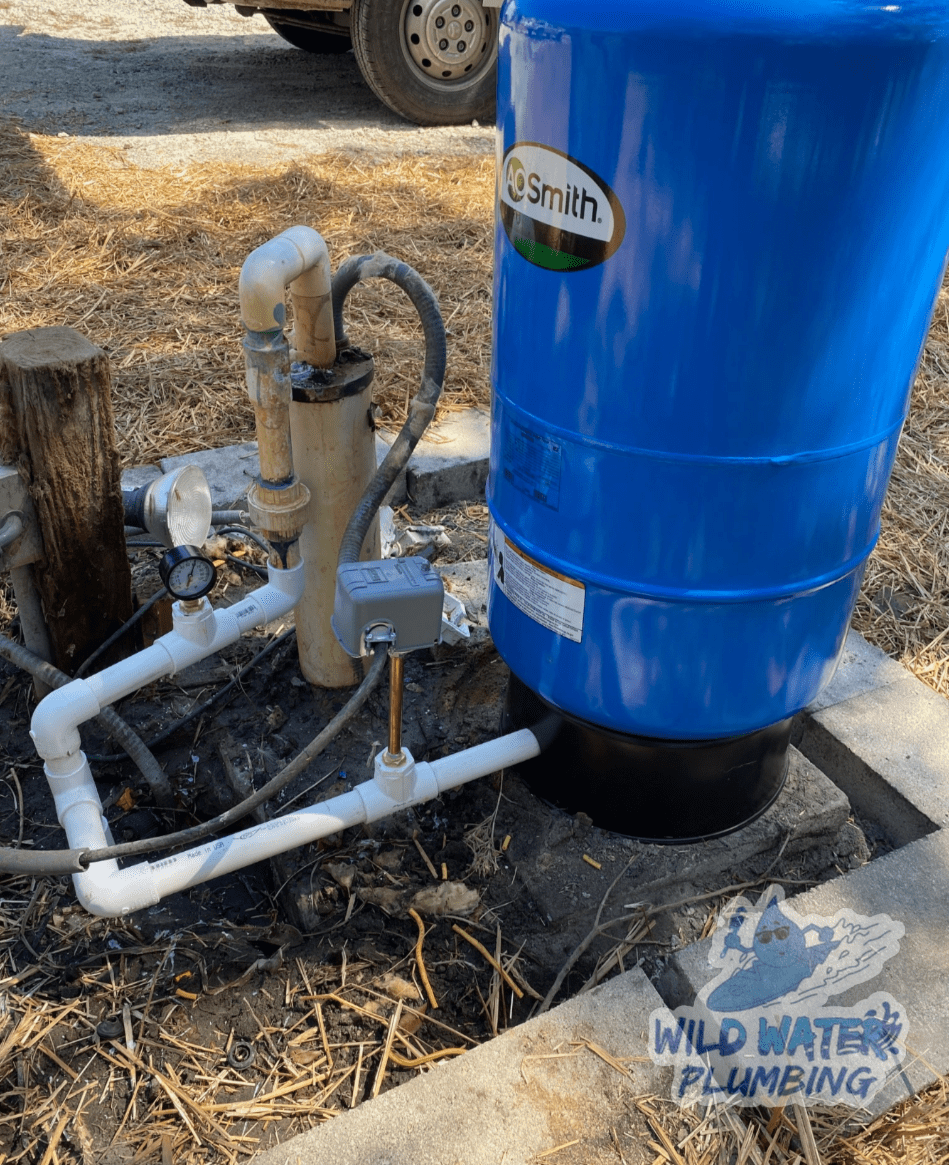
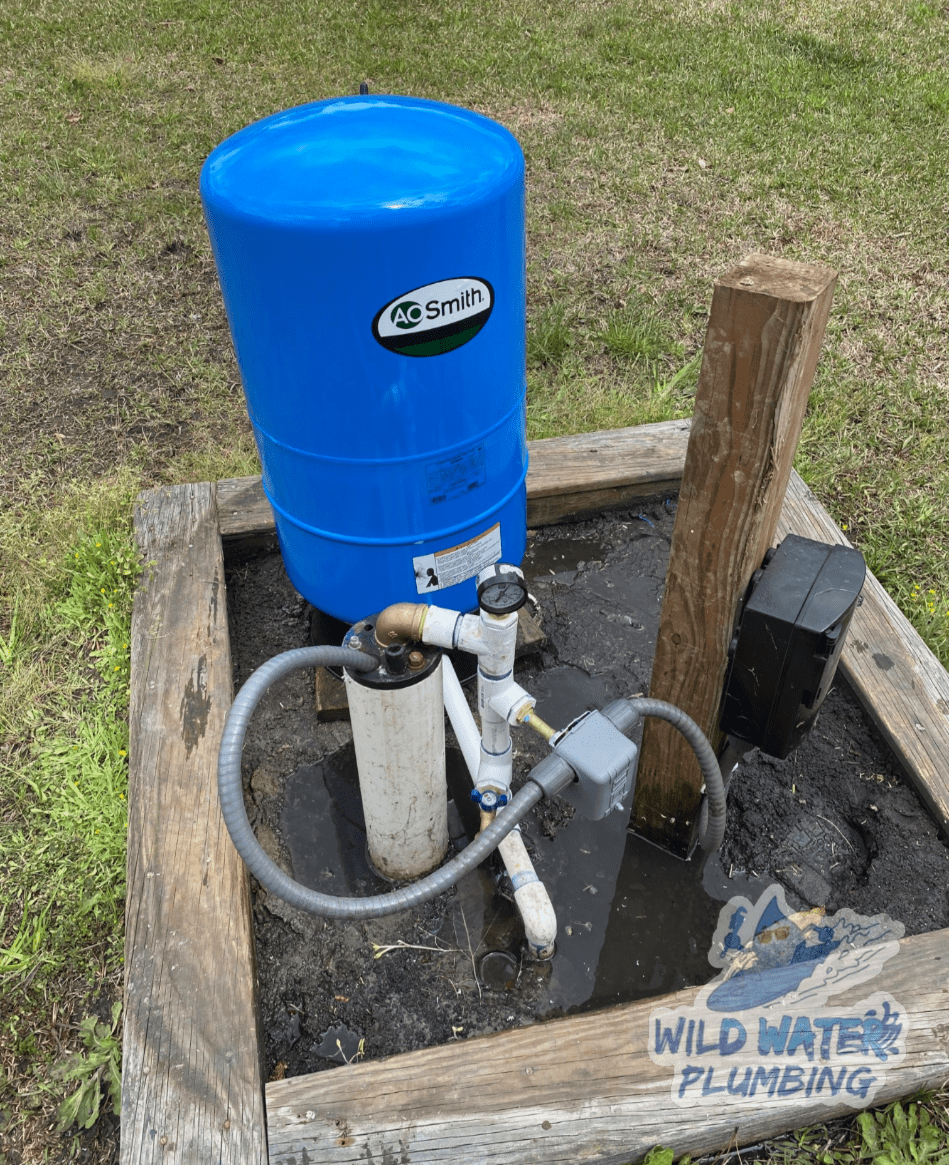
Well System Work Across the Area
Real jobs across Onslow, Pender, and New Hanover Counties.
Got Your Test Result Back?
Bring it to us and we will tell you what it actually needs, which is sometimes nothing. If you have not tested yet, start with the health department.
Call 910.750.2312 Get a Well System QuoteGet Your Well System Estimate
Fill out the form below and we will get right back to you. Prefer to talk? Call 910.750.2312.
Well Water System FAQs
What is a well water system?
It is the complete setup that brings groundwater into your home. That includes the pump, the pressure tank and switch, filtration and treatment, and the well casing and screen that protect the supply.
Is it worth installing a well water system?
For most homeowners, yes. After the upfront cost, you eliminate the monthly water bill, gain control over your water quality, and enjoy a reliable supply that keeps going during restrictions.
What are the benefits of well water?
Well water is often free of the chemicals and additives in municipal supply, you control how it is filtered and treated, and you get stronger pressure than many public systems deliver.
How often should I service my well water system?
We recommend a service at least once a year to keep the system in good working condition. If you notice any problems sooner, do not wait to have it looked at.
What are the signs my well system needs repair?
Watch for low water pressure, a strange taste or odor, cloudy or discolored water, sputtering air in the lines, staining on fixtures, and a spike in your electric bill.
Is well water safe to drink?
It can be excellent, and plenty of it is. Private wells are not covered by the Safe Drinking Water Act though, so nobody checks yours but you. North Carolina research has found health-based contaminants in up to 46 percent of sampled private wells, and the ones that matter most cannot be tasted or seen. Test at least once a year and after any flooding.
How do I actually get my well water tested?
Through your county health department. North Carolina runs a statewide private well testing programme administered by the Department of Health and Human Services and the local health departments, and samples can be taken from an existing well at any time. Start there rather than with an equipment supplier, including us.
Can I improve my well water quality?
Yes, though the order matters. Test first, because the treatment has to match what is actually in the water. Softening handles hardness and does nothing about bacteria. Ultraviolet handles bacteria and does nothing about iron. A reverse osmosis unit gives you excellent drinking water at one tap and changes nothing at the others. Once we know the result, we can size the right combination.
What areas do you serve?
We serve homeowners across Onslow, Pender, and New Hanover Counties, including Greater Jacksonville and Richlands, North Carolina. In Carteret County we serve Cedar Point.
Related Services and Reading
Independent Water, Looked After Properly
We size the system for the house, match any treatment to an actual test result, and tell you when your water does not need anything doing to it.
Call 910.750.2312 Get a Free QuoteWild Water Plumbing + Septic • U.S. Navy Veteran Owned and Operated • Serving Onslow, Pender, and New Hanover Counties, plus Cedar Point, North Carolina Licensed and insured. NC License No. [ADD LICENSE NUMBER] • 200 Valencia Dr Unit 313, Jacksonville, NC 28546
Veteran Owned Plumbing Repair, Inspection, & Installation Services.
Plumbing Services
Additional Services
Plumbing Tips
PENDER, CARTERET, NEW HANOVER & ONSLOW COUNTIESAffordable Plumbing Services For Greater Jacksonville, North Carolina
