For recurring leaks, older piping and changed layoutsLet the home’s history inform the next repair.
A house can collect plumbing changes over many years: a remodeled bathroom, a replacement heater, or a repaired section of supply line. Those changes are useful context when a new problem appears. Bring the records you have and explain which symptoms are new, recurring, or connected to particular use.
- Describe the current problem first. Locate the leak or affected fixture and say when the symptom began.
- Identify previous changes. Note past repairs, remodeled rooms, or equipment replacements relevant to the concern.
- Keep the scope proportionate. Ask what supports a localized repair and what would justify examining or replacing more piping.
- Discuss access before the work. Identify finished walls, cabinets, or other conditions that affect reaching the installation.
For fixture changes, new layouts and replacement equipmentPlan the plumbing before the room is finished.
A new sink or shower should work with the room’s connections, supply, and waste piping. Establish what is staying, moving, or being added before fixtures and finishes are ordered. The plan should also leave the important valves and equipment reachable for future service.
- Separate replacement from relocation. Clarify whether the fixture stays at the same connection or changes the pipe layout.
- Explain household needs. Discuss hot-water use, fixture function, and practical access alongside appearance.
- Confirm the applicable review. Check town zoning and the responsible building office for the address and proposed work.
- Account for a private system. Include well or septic information when the change may affect that installation.
For owners, buyers, residents and property managersTurn unanswered questions into a defined inspection request.
A working faucet at a showing does not answer every question about the home’s pipes. Decide what information you need, then discuss the inspection that can provide it. Coordinate the scope and access while there is time to review the findings before a purchase or occupancy decision.
- Identify the installed systems. Confirm the water source, wastewater arrangement, and any privately maintained pumps.
- Bring existing inspection findings. Share the specific concern or recommendation you want the plumbing assessment to address.
- Ask what will be examined. Confirm the accessible lines or components, reporting, and any inspection limitations.
- Name the access and approval contacts. Explain the deadline and who can authorize the agreed work; confirm the visit separately.
For properties with equipment beyond the household fixturesStart with the system serving this particular address.
A private supply or wastewater concern needs more information than the community name on the mailing address. Identify the equipment and responsibility, and gather available plans or maintenance history. That context helps distinguish a repair request from a question about testing, approval, or a planned property change.
- Describe the operating change. Report interrupted water, pressure behavior, backups, or an alarm without opening equipment.
- Provide the records you have. Include pump details, septic plans, maintenance information, or earlier inspection findings.
- Identify the correct service responsibility. Confirm whether a pump or shared component belongs to the owner, an association, or a utility.
- Keep county review in the plan. Ask about applicable well or septic requirements when adding, relocating, or changing the system.
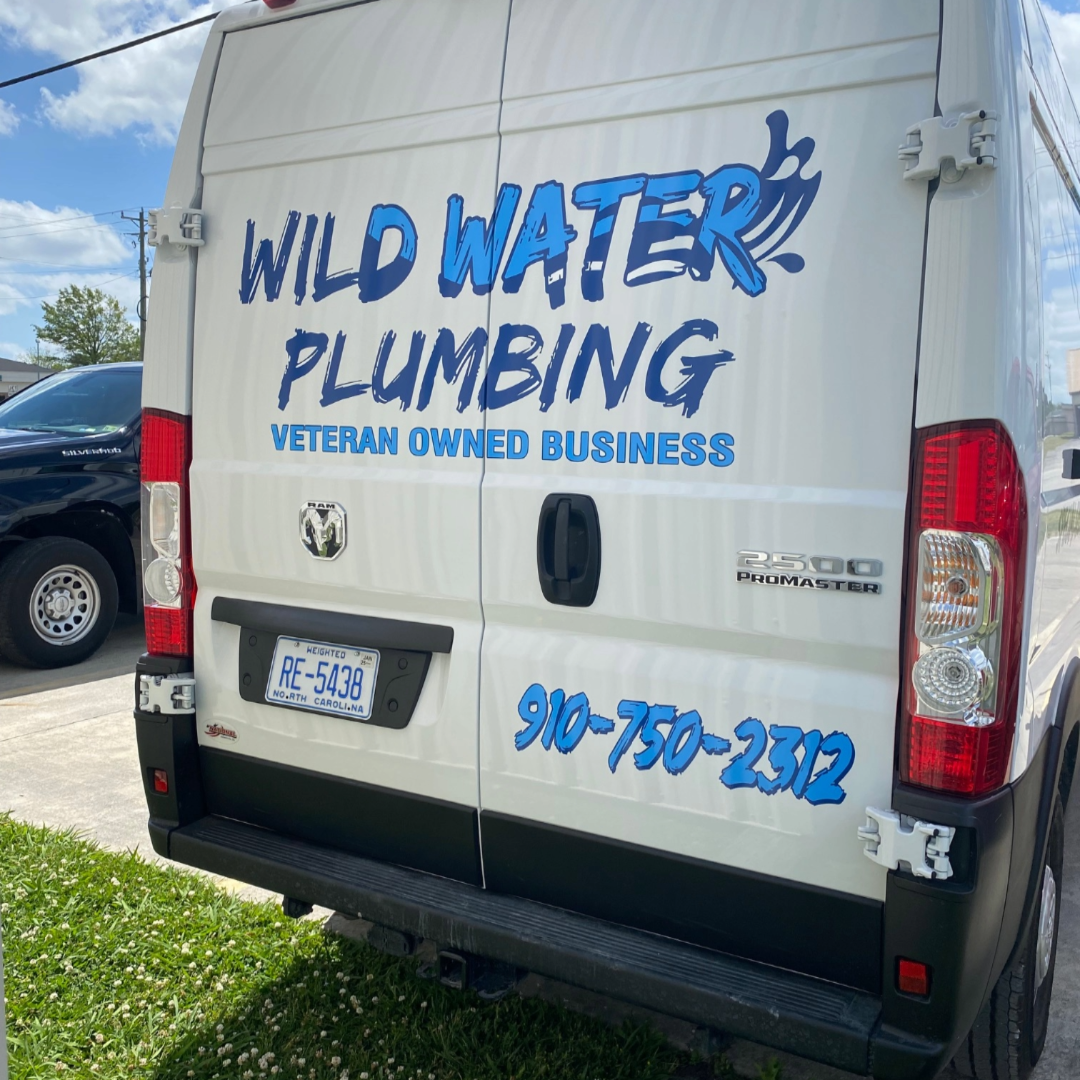
Showing: 01 · A home with a repair history.