Several drains are slow.
When more than one fixture drains poorly, a shared line may need attention. The pattern helps decide whether cleaning, camera inspection, or another check should come first.
Jacksonville, NC · U.S. Navy Veteran Owned
Recurring backups. Stubborn clogs. Questions about an aging pipe. Look inside the accessible sewer line, understand what we find, and get a clearer plan for what comes next.
$99 standard service fee in our service area; higher outside it.
Inspection priced separately · Licensed & insured
A closer look before the next decision
Wild Water Plumbing + Septic uses a pipe camera to examine accessible sewer lines from the inside. The view can help identify visible roots, buildup, damaged sections, and other conditions behind recurring drainage trouble.
We explain what was observed, what could not be reached or clearly viewed, and the appropriate next steps. Our U.S. Navy veteran owned team serves Onslow, Pender, and New Hanover Counties, plus Cedar Point.
What the house is telling you
These signs can justify an assessment. They help guide the investigation, but none proves a particular pipe defect on its own.
When more than one fixture drains poorly, a shared line may need attention. The pattern helps decide whether cleaning, camera inspection, or another check should come first.
Bubbling or gurgling can involve a restriction, venting, or other drainage conditions. Tell us which fixtures trigger the sound and when it happens.
Water returning through a tub, shower, or low drain needs prompt attention. The cause may be a blockage, damaged piping, or trouble elsewhere in the wastewater system.
A persistent wet area can involve a sewer line, water line, septic system, irrigation, or drainage. A camera may be one part of the assessment; a wet patch alone does not locate the cause.
A washer draining into a shower or a toilet affecting nearby drains can point the investigation toward a shared path. Note which fixtures are connected by the symptom.
Recurring sewer odors can involve traps, venting, seals, or damaged piping. Describe where and when you notice it so the inspection can focus on the right part of the system.
Background on wastewater backups: EPA sewer overflow guidance.
Inside the line
The condition of the pipe matters as much as the clog. These illustrated examples show the kinds of visible concerns that can inform the assessment.
Roots visible through an opening or joint can obstruct the line. Clearing roots may restore flow, while the entry point and pipe condition guide the longer-term plan.
Grease, sediment, or other material can narrow the flow path. Cleaning may be needed before the underlying pipe surface can be assessed clearly.
Visible cracks, fractures, or missing pipe can support a repair recommendation. The view does not by itself establish the condition of the surrounding soil or hidden pipe wall.
A step or gap at a connection may interrupt the flow path. The severity, accessibility, and wider line condition help determine the next step.
Water retained in the line may suggest a low section or another flow problem. A camera view alone does not measure the pipe’s grade or prove why the water is there.
Visible deposits or deterioration can reduce the usable opening. The inspection helps assess what is visible, but it does not measure the remaining pipe-wall thickness.
Illustrations are conceptual examples, not footage from your property. Visibility depends on access, lighting, deposits, water, and how far the camera can travel.
See it. Locate it. Plan around it.
Seeing a concern on screen and locating the camera underground are separate steps. Together, they can give a repair discussion useful context.
Follow the inspection from screen to surface.
View the sections the camera can reach, record observations, and identify any limits to the inspection.
Where useful, use a receiver to locate the camera-head transmitter and estimate its position and depth.
Relate the findings to access, the route, and the property before discussing further investigation or repair.
A useful mark still needs verification. Signal strength, depth, pipe material, nearby metal, and interference can affect a locate. The result does not guarantee one hole or identify every buried service. Before excavation, the applicable locating process still applies; privately owned lines may need separate locating.
Technical background: RIDGID locator guidance · NC811 private-line guidance. Equipment shown is illustrative and does not specify the model used on a visit.
Know what the findings support
A good inspection makes the visible condition easier to understand and identifies the questions that remain.
| The question | What the inspection can help answer | What it does not establish on its own |
|---|---|---|
| Pipe condition | Shows visible roots, deposits, joints, and surface defects in the sections reached. | Does not prove that every joint is watertight or reveal the full wall thickness and exterior condition. |
| Inspection reach | Establishes what was reached and viewed from the available access point. | Does not clear unseen sections when a blockage, bend, water, or access issue limits the view. |
| Underground location | A transmitter and receiver can help estimate a point along the camera’s route. | The cable counter is not a surface map. A locate is not a full utility clearance or an exact excavation plan. |
| Next steps | Helps compare cleaning, further assessment, targeted repair, or replacement. | Does not repair the pipe, guarantee future performance, or establish the same solution for every property. |
Inspection reference: EPA report on wastewater-system condition assessment. Conventional camera views can be limited by water and visibility; other methods may be needed for additional questions.
Getting a useful view
The camera needs a suitable way into the line and a view it can interpret. Share what you know about cleanouts, earlier clogs, and previous work when arranging the visit.
A cleanout or another appropriate entry point may be used. Missing or unsuitable access can change the scope. Leave opening blocked or backed-up piping to the technician.
Heavy debris or backed-up water may require cleaning before a useful inspection can continue. We discuss the sequence and any added work.
A camera that stops at an obstruction cannot assess the pipe beyond it. That limit belongs in the discussion of findings and next steps.
Need a blockage cleared? Explore drain cleaning.
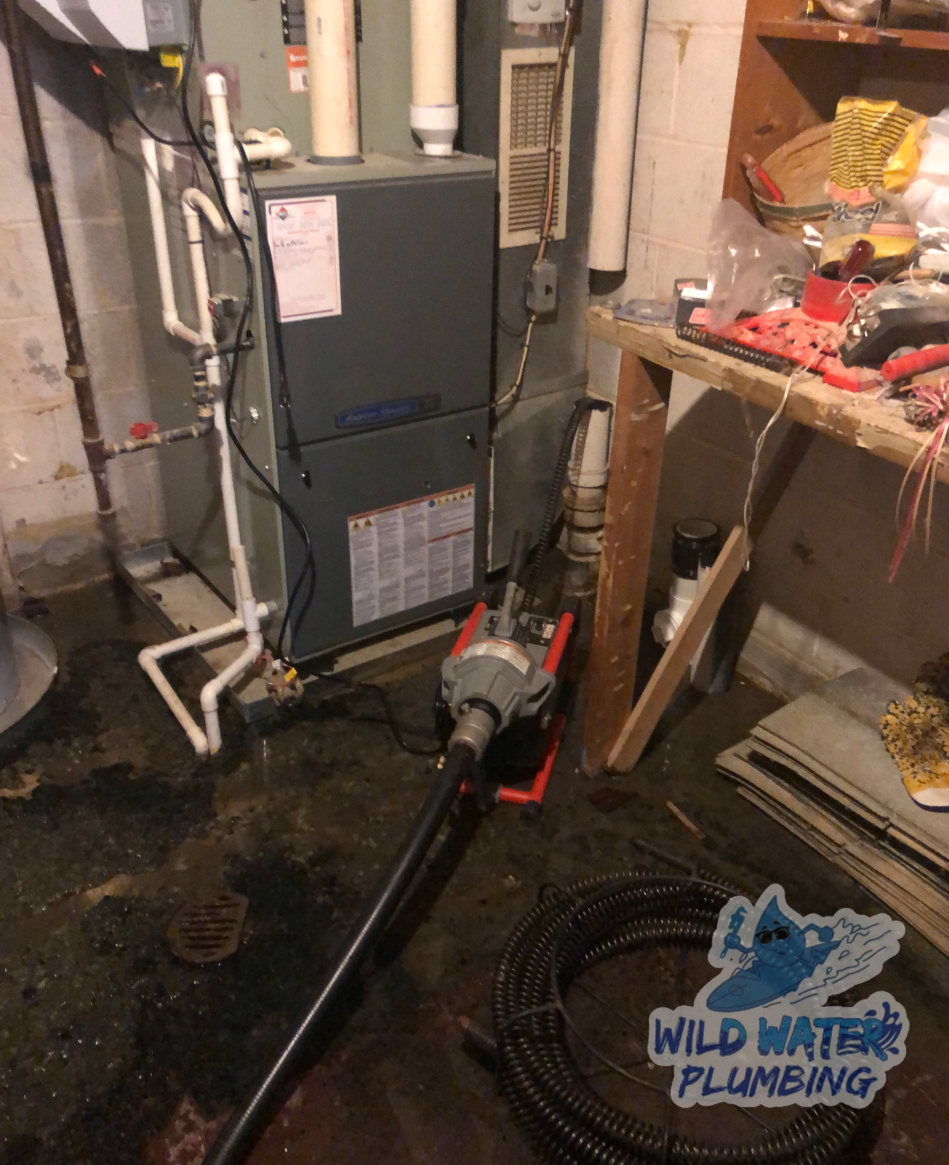
How the visit comes together
Understand the scope before the camera goes in and the findings before you make a repair decision.
Share the symptoms, previous work, property address, and any deadline. We discuss the visit, likely access, and the proposed inspection scope and price.
Advance the camera where the pipe and conditions allow, record the view, and note obstructions or areas that cannot be evaluated. Cleaning or another access point may be needed.
Where useful and conditions allow, use the camera-head transmitter and receiver to estimate position and depth. Explain what was located and any uncertainty.
Review the observed conditions, the sections reached, and the limitations. Discuss the recorded footage and any recommended cleaning, further assessment, or repair.
Keep the footage captured during the inspection. Confirm delivery format and timing when you book.
Understand what was seen, which sections were reached, and what the inspection could not establish.
Discuss the recommendation and proposed scope before approving additional cleaning or repair.
Let the findings guide the work
Where buildup or roots obstruct an otherwise usable line, appropriate cleaning may restore flow and allow a clearer follow-up view. Pipe condition still matters.
Explore drain cleaning ↗A broken section or damaged joint may call for a targeted repair or broader replacement. Access, route, depth, and the wider condition help determine the scope.
Explore sewer line repair ↗If the view is limited or does not explain the symptoms, another access point or assessment of connected plumbing, venting, septic, or utility conditions may be appropriate.
Explore connected plumbing repairs ↗Buying or selling a property?
A property transaction brings its own access, timing, and documentation needs. Share the deadline when you contact us.
Explore real estate sewer & pipe inspections ↗U.S. Navy Veteran Owned & Operated
Look carefully, explain the evidence, and be clear about the next step. That approach matters when the pipe is out of sight and the decision affects your home.
Based in Jacksonville and serving our coastal neighbors.
Explore our veteran discount program ↗From our customers

Read customer feedback about Wild Water Plumbing + Septic in our live Trustindex review feed.
Customer reviews powered by Trustindex. Read customer reviews ↗
Your coastal plumbing crew
Tell us the address, the symptoms, and whether the home uses sewer or septic. We will confirm coverage and discuss the appropriate inspection visit.
Wild Water Plumbing + SepticIncluding Jacksonville, Richlands, and nearby communities.
Call with your address to confirm coverage and scheduling.
Residential sewer inspection service across the county.
Our Carteret County service coverage is Cedar Point.
Straight answers
What the camera shows, how locating works, what footage includes, and how to plan your inspection.
A sewer camera inspection uses a small camera on a flexible push cable to view accessible drain or sewer piping from inside. Wild Water Plumbing + Septic uses the visible conditions to help investigate recurring drainage problems and discuss next steps. It is a visual inspection of the sections reached, not a test of every hidden part of the system.
Consider an assessment for recurring clogs, multiple slow drains, wastewater backups, or concerns about an older line. Gurgling, odors, and wet ground can have several causes, so these symptoms do not automatically mean the sewer pipe is broken. Tell us the pattern so we can discuss whether a camera inspection is the appropriate next step.
The camera normally enters through a suitable existing cleanout or other approved access point, so viewing an accessible line often requires no excavation. If access is missing, blocked, or unsuitable, additional access work may be needed. We discuss that work separately before proceeding; an inspection does not guarantee that no surface will ever need to be opened.
Sometimes. Heavy buildup, a blockage, or backed-up water can prevent the camera from advancing or obscure the pipe. A preliminary look may help plan cleaning, and another inspection afterward may give a better view. The sequence depends on the condition and access. Cleaning is separate work and should be included in the agreed scope and price.
Where access and signal conditions allow, a receiver detects the transmitter near the camera head to estimate its position and depth. The technician relates that location to the observed concern. Pipe material, depth, nearby metal, and interference can affect the locate. Marks guide planning and require field verification; they do not promise an exact dig point or excavation size.
No. A camera may show visible defects or water entering the pipe, but a normal-looking interior does not prove that every joint is watertight. Hidden defects, submerged areas, and conditions outside the pipe may need another form of investigation. We explain what the view supports and what remains uncertain.
It can suggest a low section, but retained water can also relate to a downstream restriction or the conditions during the inspection. The camera alone does not measure slope or prove the cause. The footage, water-use conditions, pipe route, and any further assessment need to be considered together.
The inspection should identify where it stopped and why, if the reason can be determined. A blockage, tight bend, damaged section, or unsuitable access can limit progress. We explain the unviewed portion and discuss options such as cleaning, another access point, or further investigation. An incomplete view should not be treated as clearance of the entire line.
You can keep the recorded footage from the inspection. Confirm the delivery format and timing when arranging the visit, especially if you need to share it with a buyer, seller, or another contractor. Recording is limited to what was captured. If you require a specific written report or documentation format, discuss that requirement before booking.
There is no single inspection interval that fits every home. Pipe condition, previous findings, root intrusion, recurring trouble, and planned property work can guide the timing. Ask about a schedule based on your line and history rather than assuming every home needs a camera inspection every two years.
A sewer inspection can provide useful information about an accessible line before a purchase. Share the inspection deadline, access arrangements, and any required documentation when you contact us. A sewer scope is distinct from a general home inspection and does not guarantee future pipe performance. Our real estate sewer and pipe inspection page explains that service.
Tell us that the home uses septic when you call. A camera may help assess accessible piping connected to the system, but a line inspection does not replace assessment of the tank, pumps, drain field, and other septic components. The scope should match the concern and identify which parts will actually be evaluated.
No. It helps identify visible conditions and guide the next step. Cleaning addresses a blockage; repair or replacement addresses a physical pipe problem. Some jobs require more than one service. We explain the findings and the proposed work before you approve any additional cleaning or repair.
Time and price depend on access, line length, bends, blockages, the clarity of the view, and any locating or documentation requirements. The standard service fee is $99 within our service area, with a higher fee outside it. That fee is separate from the inspection price. The scope and proposed price are discussed before you approve the work.
It can help narrow the investigation and inform a repair plan when the camera view and locating information are useful. It does not guarantee a particular cost saving, one access hole, or a trenchless repair. Actual excavation and restoration depend on the defect, route, depth, access, other utilities, and chosen repair method.
Wild Water Plumbing + Septic serves Onslow, Pender, and New Hanover Counties, plus Cedar Point in Carteret County, from Jacksonville, North Carolina. Call (910) 750-2312 or select Request an Inspection. Work is scheduled during normal business hours; an answering service takes calls after hours. An online request does not confirm an appointment.
Connected services. Useful reading.
Bring the hidden condition into the conversation
Tell us what your drains are doing. We will discuss the inspection, access, and next step for your home.
Tell us how we can help
$99 standard service fee within our service area. Higher fee outside our service area. The inspection is priced separately. Share your address, symptoms, any known access point, and any property-inspection deadline. Our team will follow up about scheduling; submitting this form does not confirm an appointment.
Prefer to talk? Call (910) 750-2312. If the form does not load, open the service form in a new tab ↗.
U.S. Navy veteran owned & operated
Tell us what is happening. Get a clear next step from your local plumbing and septic crew.
Share your property address, contact details, and what you are noticing. Our team will follow up about scheduling. Submitting this form does not confirm an appointment.
$99 standard service fee within our service area; higher outside the area. Repair, installation, and additional work are priced separately.
Prefer to talk? Call (910) 750-2312. If the form does not load, open the service form in a new tab ↗.
Navy roots. Neighborly service. A family-owned plumbing and septic company helping coastal North Carolina homeowners keep life flowing.
Local homeowners. Firsthand experiences.
Read customer feedback and explore our Trustindex profile before you call.
Serving Onslow, Pender, and New Hanover counties, plus Cedar Point and the Maysville area. Share your property address to confirm coverage.
$99 standard service fee in our service area; higher outside the area. Work is priced separately. An answering service takes calls after hours. Service is scheduled during normal business hours. An online request does not confirm an appointment.
© 2026 Wild Water Plumbing + Septic. All rights reserved.
WILD WATER PLUMBING + SEPTIC
Practical guides. Local services. A clear next step.
Common concerns and useful places to begin.
Try a shorter phrase like “drain,” “well pump,” or “leak.”
Ask us about your plumbing issue