WILD WATER PLUMBINGGetting a Sewer Line Inspection
When Buying a Home
U.S. Navy Veteran Owned & Operated throughout greater Jacksonville, NC.
Purchasing a home is a significant investment, and ensuring the property’s sewer line is in good condition can save you from future headaches and costly repairs.
Here’s a step-by-step guide to help you understand the importance and process of getting a sewer line inspection when buying a home.
A standard home inspection in Silverdale does not include the sewer line. That buried unknown has cost buyers thousands after closing. Learn what a camera inspection finds and why it matters before you sign.

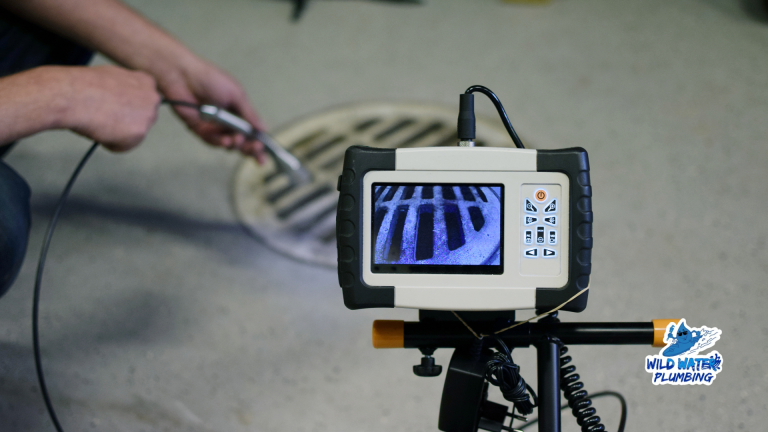
Sewer camera inspection is the only diagnostic method that visually examines the inside of your sewer line. This complete guide covers what it finds, what it costs, when to get one, and what to do with the results across coastal North Carolina.
Wilmington’s historic neighborhoods sit above sewer lines that have never been camera inspected. Decades of live oak roots, cast iron corrosion, and clay tile joint failure are happening underground right now. Learn what Wild Water finds when the camera goes in.

Many Rocky Point sewer lines have been in the ground for decades without any inspection. Learn what camera technology finds in older Pender County pipes and why knowing matters before a failure forces your hand.
Swansboro sewer lines often fail silently for months before any visible sign appears. Learn the warning signs and why a camera inspection is the smartest move you can make.
Is Your Septic System Failing? 8 Signs Coastal NC Homeowners Cannot Afford to Miss
Carteret CountyCarteret County HomeownersDrainfield SolutionsNew Hanover CountyNew Hanover County HomeownersOnslow CountyOnslow County HomeownersPender CountyPender County HomeownersSeptic Failures and CausesSeptic InspectionSeptic RepairsSeptic SystemsSewer Line InspectionSewer Line IssuesWarning Signs of Septic TroubleWild Water Plumbing + Septic
From Jacksonville to Beaufort, septic systems across Onslow, Pender, New Hanover, and Carteret Counties are quietly failing — often for months before homeowners notice. This complete guide covers every warning sign, every town, and every option.

Richlands, NC homes often face sewer line clogs from tree roots and aging pipes. I’m Justin Wilder of Wild Water Plumbing, and I explain the causes, warning signs, and how I deliver long-term solutions to stop costly backups.
New homes in Jacksonville, NC aren’t immune to sewer backups. I’m Justin Wilder of Wild Water Plumbing, and I explain why construction debris, poor grading, and heavy use cause recurring clogs — and how I provide lasting solutions.
Kitchen sink grease clogs are a common problem in Jacksonville, NC homes. I’m Justin Wilder of Wild Water Plumbing, and I explain how grease builds up inside pipes, why DIY fixes don’t last, and how I permanently clear stubborn clogs.
Bathroom hair and soap clogs are a constant problem in Jacksonville, NC homes. I’m Justin Wilder of Wild Water Plumbing, and I explain the causes, warning signs, and why a professional plumber is your best solution.
Sewer line backups are one of the worst plumbing emergencies in Jacksonville, NC. I’m Justin Wilder of Wild Water Plumbing, and I explain the causes, warning signs, and why fast, professional help is the only safe solution.
Tree roots can quietly destroy sewer lines in New Hanover County homes. I’m Justin Wilder, owner of Wild Water Plumbing, and I’ll explain how roots sneak into your pipes, the warning signs to look for, and the best ways to fix and prevent costly damage.
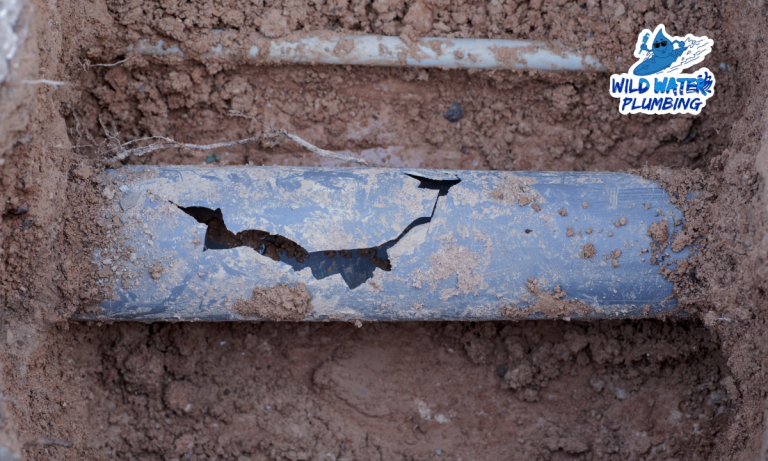
Cracked or collapsed sewer lines are a serious issue for Onslow County families. I’m Justin Wilder, owner of Wild Water Plumbing, and I’ll explain the signs—like gurgling toilets, soggy yards, and repeated backups—that mean your sewer line needs immediate attention.
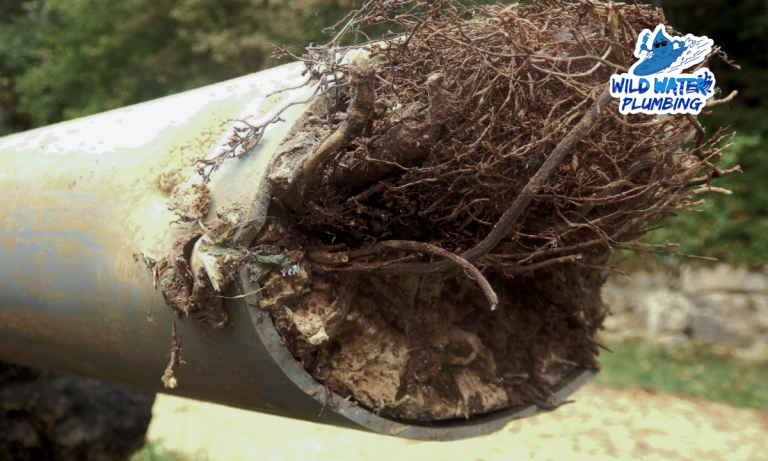
Sewer line blockages are one of the biggest plumbing issues for Carteret County homeowners. I’m Justin Wilder, owner of Wild Water Plumbing, and I’ll show you the warning signs—like slow drains, gurgling toilets, and sewage odors—so you can stop problems before they cause costly damage.
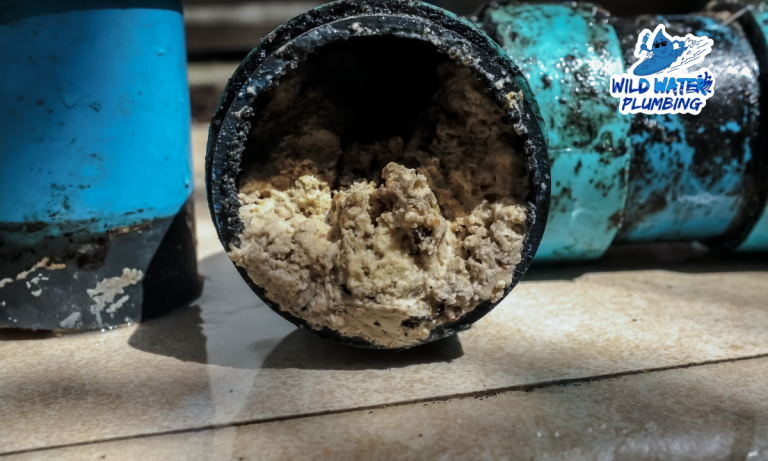
Sewer backups in Richlands aren’t just gross—they’re expensive. Find out why a simple sewer line inspection could save you thousands in plumbing repairs. Real stories. Real prevention. Get ahead of the mess with Wild Water Plumbing.
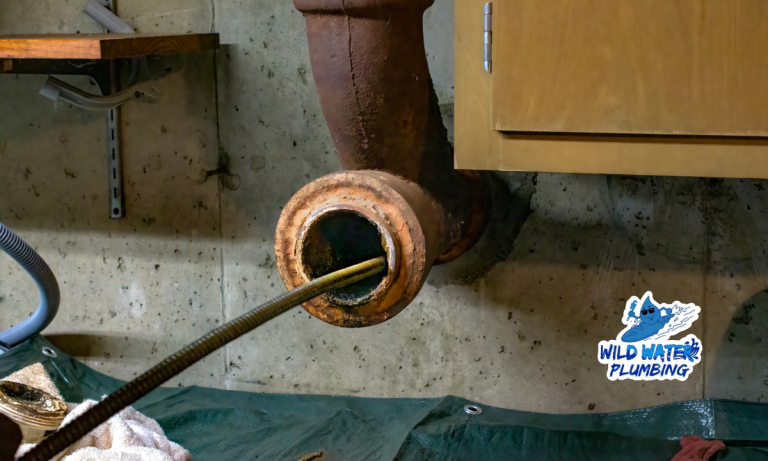
Recurring clogs in Swansboro homes often point to deep blockages in your main sewer line. Justin Wilder of Wild Water Plumbing explains how to spot them and what to do.
Got a sewer smell in your Swansboro home? I’m Justin with Wild Water Plumbing. It might not be your drain—it could be your vent. Let’s fix it the right way.
Hurricane season in Topsail Beach can wreck your sewer lines. I’m Justin from Wild Water Plumbing—Veteran-owned and ready to inspect your system before the next storm.
Older homes in Wilmington, NC have charm but often come with hidden plumbing and electrical problems. Learn how to spot leaky pipes, clogged drains, outdated fixtures, and electrical hazards before they become costly disasters.
Older homes in Wilmington, NC have charm but often come with hidden plumbing and electrical problems. Learn how to spot leaky pipes, clogged drains, outdated fixtures, and electrical hazards before they become costly disasters.
Wilmington, NC homeowners often face plumbing headaches – from clogged sinks and tubs to stubborn sewer line blockages. Justin Wilder, owner of veteran-owned Wild Water Plumbing, explains why these problems happen (think tree roots, old pipes, and coastal conditions) and how high-tech sewer camera inspections help pinpoint issues like cracked pipes or root intrusion. Discover common residential plumbing issues in Wilmington and why hiring an expert plumber for proper diagnostics and long-term solutions is the key to keeping your home’s plumbing flowing free and clear.
Upgrading your kitchen, bathroom, or basement? Plumbing mistakes can lead to leaks, mold, water damage, and costly repairs. Whether it’s a new sink, toilet, walk-in shower, or water heater, Wild Water Plumbing – a veteran-owned company in Jacksonville, NC – provides expert, code-compliant plumbing solutions that last.
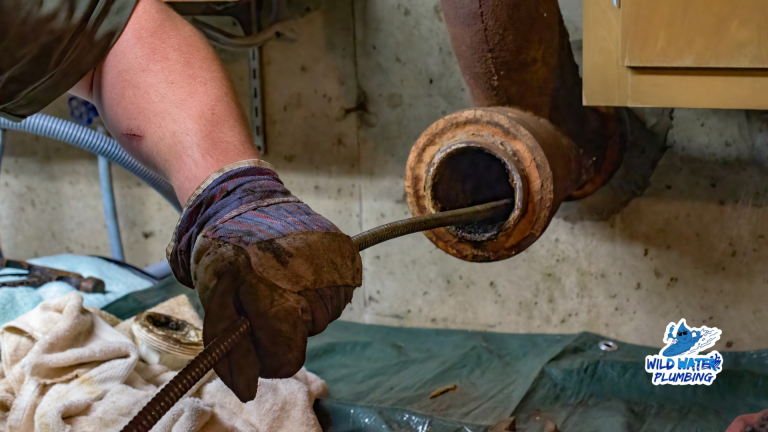
Are your drains slow, smelly, or making strange noises? These are clear warning signs of a clogged drain – and ignoring them could lead to sewage backups, water damage, and costly repairs. In this guide, I’ll break down the most common drain problems, what causes them, and how a pipe inspection can help. If you’re in Greater Jacksonville, NC, and need expert drain cleaning, Wild Water Plumbing has you covered!
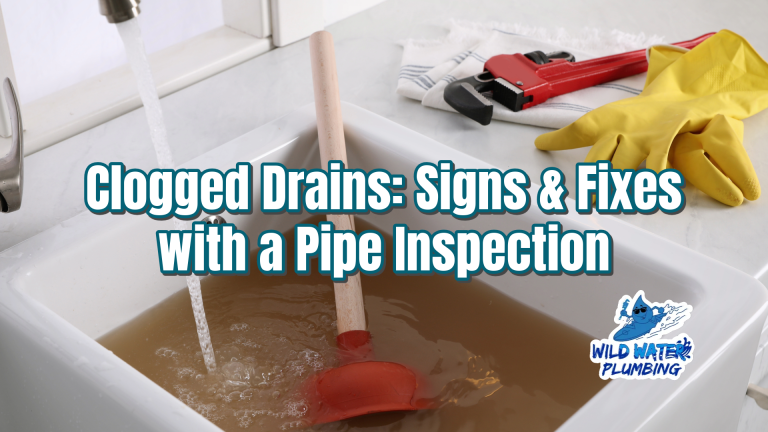
Conducting sewer line inspections is important in Greater Jacksonville, NC before buying a house so as to prevent expensive repairs and possible health hazards. This post will look at common signs that may indicate there’s something wrong with your sewer lines; it will also discuss the need for detailed examination and dangers associated with purchasing homes without checking their plumbing systems.
Let's improve your plumbing & water system today!
Veteran Owned Plumbing Repair, Inspection, & Installation Services.
Plumbing Services
Additional Services
Plumbing Tips
PENDER, CARTERET, NEW HANOVER & ONSLOW COUNTIESAffordable Plumbing Services For Greater Jacksonville, North Carolina
