I am Justin Wilder, owner of Wild Water Plumbing + Septic, a veteran owned business serving Pender, Onslow, Carteret, and New Hanover counties. After years of pulling clogs, repairing collapsed lines, and replacing failed septic systems on the North Carolina coast, I can tell you that sewer backups and clogged drains here are not just everyday plumbing inconveniences. They are the result of a specific combination of coastal conditions, aging infrastructure, and homeowner habits that produces predictable failures.
This guide covers what actually causes sewer backups in coastal NC, why those backups are more serious than most homeowners realize, and what a professional sewer line inspection can do to catch problems before they become emergencies.
Why a Sewer Backup Is More Than Just a Mess
When sewage backs up into your home, the situation is not a plumbing inconvenience. It is a hazard with consequences across multiple categories.
Real Health Risks
Sewage carries pathogens including E. coli, Hepatitis A, salmonella, norovirus, and parasites. Even brief contact with backed up sewage can cause gastrointestinal illness, skin infections, and respiratory problems. Children, elderly family members, and anyone with a weakened immune system are at the highest risk. This is not a situation for normal household cleaning. Affected areas need professional sanitization to be safe for occupancy again.
Property and Structural Damage
Sewage water soaks into anything porous: drywall, wood framing, carpet, baseboards, subfloor. Many of those materials cannot be salvaged once contaminated and have to be removed and replaced. In more serious backups, the water reaches and damages the structural framing of the home, including the bottom plates of walls and the joists supporting the floor above.
Mold Growth Within Days
Sewage flooded areas develop mold within 24 to 48 hours under typical coastal NC conditions. Mold in sewage damaged materials is harder to remediate than ordinary moisture damage because the underlying material is also contaminated. The mold often spreads beyond the visible damage zone before anyone realizes the scope.
Foundation Erosion
A sewer leak that releases water into the soil under or beside the foundation can wash away supporting soil over time. The result is foundation settling, new cracks, and structural problems that cost far more to repair than the original plumbing issue. This is especially common on coastal NC properties where sandy soil moves easily once it gets wet.
The Five Most Common Causes of Sewer Backups in Coastal NC
After years of work across the four coastal counties, the pattern of causes is consistent enough to predict.
1. Grease, Wipes, and the Wrong Things Flushed
The single most common cause of sewer backups is the household putting things into the drain system that the system was not designed to handle. Cooking grease cools and solidifies inside the pipes, attracting other debris until the line clogs. Flushable wipes do not break down quickly enough to avoid creating blockages. Paper towels, feminine products, dental floss, cotton swabs, and even excessive toilet paper all contribute. The Cape Fear Public Utility Authority runs ongoing public campaigns reminding homeowners that only toilet paper belongs in the toilet. Those campaigns exist because the wrong material in the system is the cause of a huge percentage of municipal sewer failures.
2. Tree Root Intrusion
Coastal North Carolina has the kind of mature tree canopy that makes neighborhoods beautiful and sewer lines vulnerable. Live oaks, pines, palms, and maples all have root systems that actively seek moisture, and a buried sewer line is one of the wettest places in the soil. Roots find tiny cracks or loose joints in older clay or cast iron pipes, push their way in, and grow rapidly inside the nutrient rich environment of the line. A root mass can dam the pipe completely within a few years of first intrusion. In Wilmington’s older neighborhoods, in the established sections of Jacksonville, and across the rural acreage of Pender and Carteret counties, root intrusion is one of the top causes of recurring sewer blockages.
3. Aging or Damaged Pipes
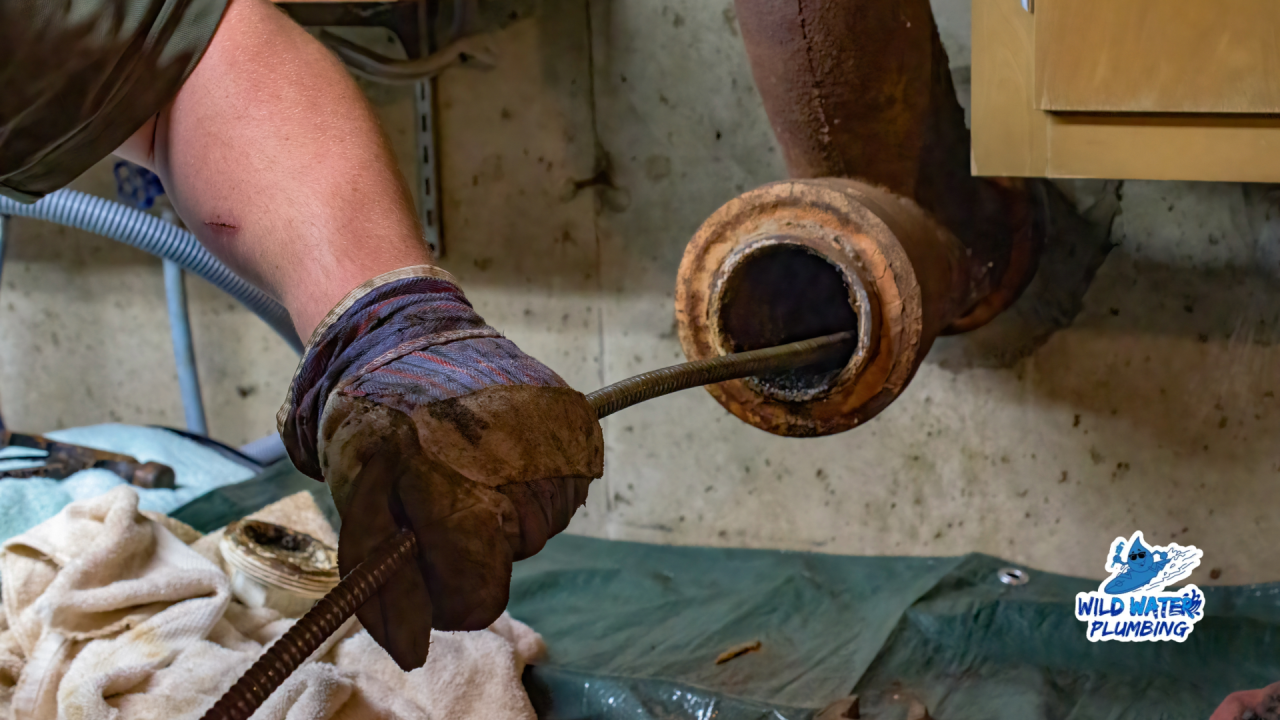
Many homes in coastal NC are old enough that their original sewer lines are reaching the end of their reliable service life. Cast iron lines from the 1950s through the 1970s rust internally, narrowing the effective diameter and eventually developing thin spots that crack or perforate. Clay tile lines develop joint separations and pipe breaks as the soil shifts around them. Orangeburg pipe, a fiber composite used widely in the 1950s and 1960s, was only intended to last 30 to 50 years and is now collapsing across many older neighborhoods.
4. Shifting Soil and High Water Table
Coastal soil is sandy, drains well, and shifts more easily than the clay soils of inland regions. Sandy soil around buried pipes can settle, wash away with the water table, or compact unevenly. Pipes that were perfectly bedded when installed develop sags (bellies) where waste collects and clogs form. The high water table that characterizes coastal NC compounds the problem by softening soil around the line and pressurizing it during wet periods. The result is buried pipes that move, crack, and accumulate debris in ways that inland pipes rarely do.
5. Heavy Rain, Flooding, and Storm Surge
Tropical storms and hurricanes drop enough rain in short periods to overwhelm both private septic systems and municipal sewers. When the ground around a septic drain field saturates, the field cannot accept effluent, and the system backs up into the house. When the municipal sewer takes in storm runoff through cracked pipes and overwhelmed lift stations, the surcharge can push waste backward into the lowest fixtures of homes connected to the line. After Hurricane Florence dropped over 40 inches of rain in parts of Pender County, the resulting sewer and septic failures continued for months. Even without a named storm, a heavy spring or fall rain event can produce the same kind of backup in vulnerable homes.
How a Professional Sewer Camera Inspection Works
A sewer camera inspection is one of the most useful diagnostic tools available to homeowners. The process itself is straightforward: a waterproof video camera attached to a long flexible cable is inserted into the sewer line through a cleanout or other access point, and the camera operator watches a real time video feed of the inside of the pipe as the cable feeds through.
What the inspection actually shows is more impressive than the technology suggests. Root intrusion shows up clearly as the camera approaches it. Cracked or broken pipe sections are visible. Bellies (sagged sections where water and debris collect) are obvious. Grease buildup, scale accumulation, foreign objects, and offset joints all appear plainly on the monitor.
Better yet, modern sewer cameras include a transmitter that allows a separate locator above ground to pinpoint exactly where the camera is in the buried line. So if the inspection reveals a root intrusion 30 feet from the cleanout, we can mark the exact spot above ground on the lawn. That information turns a repair from speculative digging into a targeted excavation that opens only the section that needs work.
For homes with recurring slow drains, gurgling fixtures, or yard wetness near the sewer line path, a camera inspection often reveals the cause within an hour. For older homes where the sewer line condition is unknown, a periodic inspection every few years provides early warning of problems that can be repaired before they become emergencies.
Wild Water provides camera inspection and full sewer line inspection services across all four coastal counties as part of our regular service offerings.
When a Sewer Backup Is Really a Septic Problem
For homes on private septic systems, what looks like a sewer backup is sometimes actually a septic system failure. The symptoms inside the house are similar: slow drains, gurgling fixtures, or actual sewage coming back up through the lowest drains. But the cause is different. Instead of a blocked pipe, the problem is an overfull tank, a damaged baffle, or a drain field that has stopped absorbing effluent.
Distinguishing between a sewer line problem and a septic system problem matters because the fix is different. Snaking the line will not help if the tank is full. Pumping the tank will not help if the main line has collapsed. A professional diagnosis identifies which system is actually involved so the right work gets scheduled.
Our article on what a pipe camera inspection finds inside coastal NC sewer lines covers the inspection process in detail, and our article on how a drain field actually fails walks through the parallel diagnostic process for septic systems. For a complete look at coastal NC plumbing challenges as a whole, our coastal NC homeowner’s handbook covers the bigger picture.
What You Can Do to Prevent Sewer Backups
A few habits and routine maintenance items prevent most sewer backups before they develop.
Only flush toilet paper. Everything else, including wipes labeled flushable, belongs in the trash.
Keep grease and oil out of the kitchen drain. Cool it in a container and throw it away.
Pump your septic tank every three to five years on a typical household schedule, more often for larger families or homes with garbage disposals.
Schedule a camera inspection on older homes every few years to catch developing problems early.
Manage trees near the buried sewer line. Avoid planting deep rooted species over the line path, and treat existing root issues before they become full blockages.
Consider a backwater valve if your home is in a flood prone area or has experienced municipal sewer surcharge during heavy rain events.
Sewer backups in coastal NC frequently overlap with septic system warning signs, and the diagnostic process often starts with the same symptoms. For a complete picture of every septic warning sign across all four coastal counties, read our cornerstone guide: 8 Signs Your Septic System Is Failing — Onslow, Pender, New Hanover, and Carteret Counties.
Frequently Asked Questions
What is the first thing I should do if sewage backs up in my home?
Stop using all water immediately. Do not flush toilets, run the dishwasher, or do laundry. Keep children and pets out of the affected area. Call a professional plumber right away. If you have a main sewer cleanout in the yard, opening the cap can sometimes relieve pressure, but be ready for sewage to release when you do.
Why are sewer backups more common in coastal North Carolina than inland areas?
Coastal NC combines high water tables, sandy soils that shift over time, salt air that accelerates pipe corrosion, mature tree canopy with extensive root systems, and frequent heavy rain events from tropical storms. Each of those conditions stresses the buried sewer infrastructure in ways that inland systems rarely experience, and the combined effect produces a higher rate of backup events than inland regions see.
Can a sewer backup damage my home’s foundation?
Yes. A sewer leak that releases water into the soil under or beside the foundation can wash away supporting soil over time, leading to foundation settling and new cracks. Sandy coastal soils erode faster than clay, so the effect can develop more quickly here than in inland areas. Foundation repairs that result from sewer leaks often cost more than the original plumbing fix would have.
How often should I have my main sewer line camera inspected?
For homes built before 1980, an inspection every three to five years is reasonable. For homes near mature trees, more often. For newer homes with no symptoms, every five to ten years or before purchasing the property. A camera inspection often catches problems years before they would otherwise produce visible symptoms.
What is the difference between a sewer backup and a septic system backup?
The symptoms inside the home are similar: slow drains, gurgling fixtures, or sewage coming up through the lowest drains. The cause is different. A sewer line backup involves a blocked or broken pipe between the home and the municipal sewer or the septic tank. A septic backup involves an overfull tank, a damaged baffle, or a drain field that has stopped absorbing effluent. A professional diagnosis identifies which system is involved before any repair work begins.
Wild Water Plumbing + Septic serves Onslow, Pender, Carteret, and New Hanover counties with camera inspections, drain cleaning, drain cleaning, sewer line repair, and septic system service.