THE SHORT VERSION
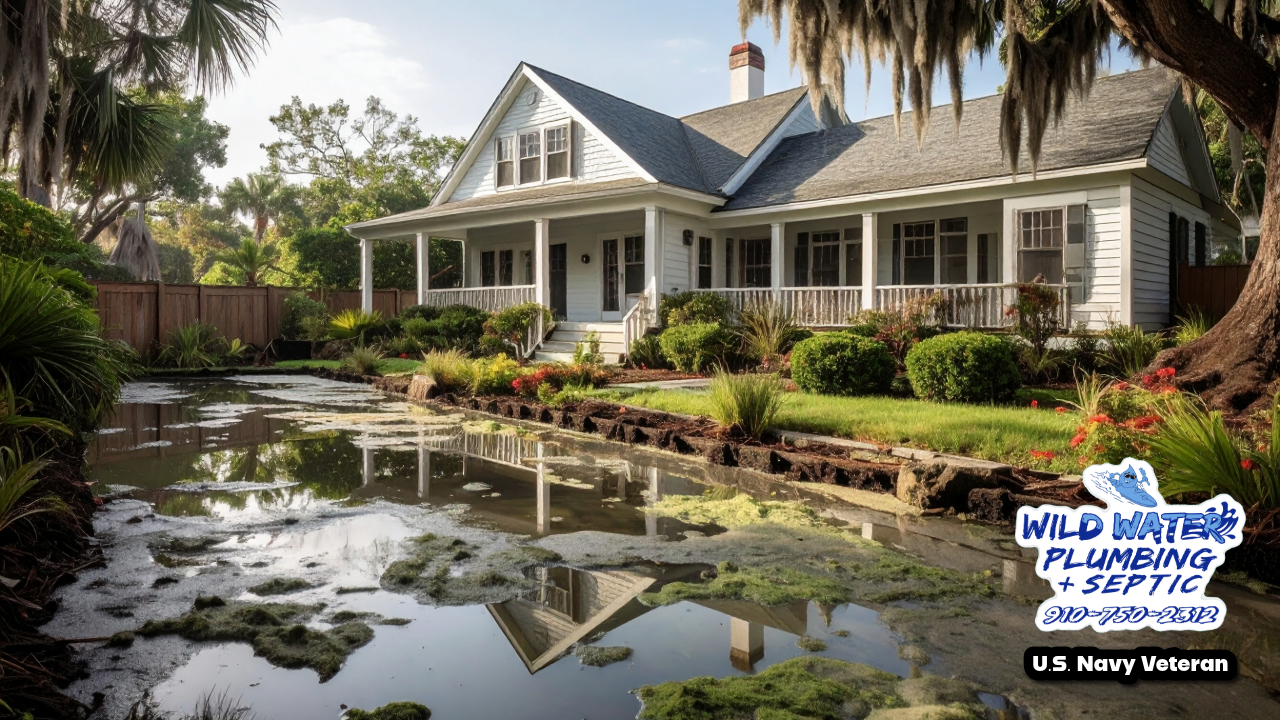
Cedar Point crawl spaces face a constant moisture load from three sources at once: groundwater rising from below as the water table moves with tides and rain, humid coastal air entering through vents and condensing on cool surfaces, and periodic flood events that push water into the space directly. Without active management, every Cedar Point crawl space reaches conditions that promote wood rot, mold growth, and air quality problems that move up into the living space. The fix is a combination of vapor barrier, sump pump, and either ventilation or encapsulation, sized to the actual conditions on the property.
What Coastal Humidity Does in a Cedar Point Crawl Space
A Cedar Point crawl space without active moisture management will reach 80 to 100 percent relative humidity within a year of construction and will stay there most of every following year. At that humidity level, wood absorbs moisture from the air rather than losing it. Floor joists and subflooring swell, soften, and eventually rot. Insulation batts fall as their paper facing softens. Ductwork in the crawl space corrodes from the outside. Mold colonies establish on framing members and on the underside of the subfloor, and spores rise into the living space through every gap in the floor system above.
First, groundwater rising from below as the water table moves up during rain events, hurricanes, and high tides. Second, water vapor moving up through the crawl space floor continuously, even when the soil is not visibly saturated, because the soil itself holds moisture that the air above can absorb. Third, humid outside air entering through foundation vents and condensing on cooler surfaces such as ductwork, water lines, and the underside of the floor structure. Effective crawl space moisture management addresses all three sources, not just the most visible one.
The Sump Pump System a Cedar Point Crawl Space Needs
Properly Sized Primary Pump
A sump pump for a Cedar Point crawl space has to handle the actual volume of water that can enter the space during peak conditions, not the volume during average rain. The pump is sized based on the crawl space footprint, the estimated infiltration rate during storm and high-water events, and the static lift to the discharge point. Undersized pumps cycle constantly during wet weather, wear out early, and fail at exactly the wrong time. Properly sized pumps run efficiently and last for years.
Battery Backup System
Cedar Point loses power during the same storms that produce the worst crawl space moisture conditions. A primary sump pump that shuts down when grid power fails leaves the crawl space unprotected during the period of highest water inflow. A battery backup system rated for 8 to 12 hours of continuous operation keeps the pump running through most storm events that affect the area. For Cedar Point properties with a history of extended power outages, a generator-connected backup provides unlimited runtime as long as fuel is available.
High Water Alarm
A high water alarm in the sump pit alerts the homeowner if water rises above the level the pump is keeping it at, indicating either pump failure or that the pump cannot keep up with inflow. The alarm should be on a separate electrical circuit from the pump (or have its own battery backup), so it still functions if the pump’s circuit has tripped or lost power. North Carolina building code requires high water alarms on sump systems in residential applications.
Properly Routed Discharge Line
The sump pump discharge line has to terminate at a location where the discharged water does not simply re-enter the soil near the foundation and recirculate. The typical Cedar Point discharge route runs from the crawl space to a daylight outlet downhill, to a roadside ditch, or to a tied-in storm drainage connection. The line is buried below the frost line, sloped for positive drainage, and includes a check valve to prevent backflow.
The Vapor Barrier That Cedar Point Crawl Spaces Need
A vapor barrier addresses the moisture that enters the crawl space as vapor through the soil floor. It does not handle liquid water (that is the sump pump’s job) but it dramatically reduces the ambient moisture level in the space. The barrier is a heavy plastic sheet (12 to 20 mil for Cedar Point applications) installed over the entire crawl space floor and sealed at the foundation walls. Seams are taped, penetrations (plumbing, ductwork) are sealed around, and the barrier is held in place at the perimeter with mechanical fasteners or adhesive.
Traditional crawl space design used foundation vents to allow outside air circulation, on the theory that air movement would dry the space. In Cedar Point’s humid coastal climate, the vents typically let warm wet outside air in, where it condenses on cooler interior surfaces and adds to the moisture load rather than reducing it. The current standard for coastal NC properties is encapsulation: vents are sealed, a continuous vapor barrier covers the floor and walls, and active moisture control through a dehumidifier maintains humidity below 60 percent. Encapsulation costs more upfront but produces a crawl space environment that protects the structure above for the long term.
What a Cedar Point Crawl Space Inspection Reveals
A crawl space inspection on a Cedar Point property typically identifies one or more of the following: standing water or evidence of past water events on the floor or low spots; missing, torn, or improperly installed vapor barrier; mold on joists, subfloor, or insulation; fallen or saturated insulation; corroded ductwork; rusted plumbing supply lines or pump components; and either no sump pump or a sump pump that has failed or been disconnected. The inspection produces a written assessment with prioritized recommendations, so the homeowner knows what intervention will actually solve the problem rather than masking it.
Our sump pump services for Cedar Point properties include sump pump installation, replacement, and battery backup integration; vapor barrier installation; crawl space drainage evaluation; pre-purchase crawl space inspections; sump pit construction in crawl spaces where no sump currently exists; and emergency sump pump service during storm events.
📖 Crawl space moisture is one of eight warning signs of failing yard drainage in coastal NC. The complete coastal NC drainage cornerstone covers the eight warning signs, drainage solutions, and how to know when the crawl space is the symptom and when it is the problem: Why Coastal NC Yards Flood: The Complete French Drain and Yard Drainage Guide.
📖 Crawl space and sump pump work is one part of the complete Cedar Point property picture. The full guide covers plumbing, septic, drainage, sewer, and crawl space together: Cedar Point NC Plumbing, Septic, and Drainage: The Complete Homeowner Guide.
Wild Water Plumbing and Septic provides crawl space inspection, sump pump installation and service, and vapor barrier work across Cedar Point and the surrounding coastal Carolina counties.Call 910.750.2312 or schedule a crawl space evaluation online.
Frequently Asked Questions
Why do Cedar Point crawl spaces have moisture problems?
Cedar Point crawl spaces have moisture problems because of the combined effect of high water table, coastal humidity, and storm exposure. Groundwater rises into the crawl space from below during wet conditions and during tidal events. Humid coastal air enters through vents and condenses on cool surfaces. Storm surge and heavy rain push surface water into the crawl space directly. Without active management, the space stays at moisture levels that promote wood rot, mold growth, and structural deterioration.
Does my Cedar Point home need a sump pump?
Most Cedar Point homes with crawl space construction benefit from a sump pump. The high water table, the periodic flood events, and the storm exposure all produce situations where water enters the crawl space and needs to be moved out before it damages the floor structure and the air quality above. A properly sized sump pump with battery backup is the standard recommendation for Cedar Point crawl spaces. Homes on full slab construction without any below-grade space face different moisture concerns and may not need a sump.
What is a vapor barrier and why do Cedar Point crawl spaces need one?
A vapor barrier is a heavy plastic sheet (typically 12 to 20 mil) installed over the crawl space floor and sealed at the foundation walls. The barrier blocks moisture vapor from rising out of the soil into the crawl space air. Cedar Point crawl spaces need vapor barriers because the soil under the house is wet most of the year, and without the barrier, that moisture moves continuously into the floor structure above. A vapor barrier handles the moisture that arrives as vapor. A sump pump handles the moisture that arrives as liquid water. Most Cedar Point crawl spaces need both.
How does Bogue Sound tidal water affect Cedar Point crawl spaces?
On Cedar Point properties close to Bogue Sound, the soil under the crawl space saturates and dries with the tidal cycle. The water table rises closer to the crawl space floor at high tide and drops at low tide. During sustained onshore winds or storm conditions, the high water cycle can push groundwater into the crawl space directly. Sump pump systems on these properties have to be sized for the conditions during peak high water, not the average.
What is the difference between a vented and an encapsulated Cedar Point crawl space?
A vented crawl space has open vents in the foundation walls that were intended to let air circulate and dry the space. In Cedar Point’s humid coastal climate, the vents typically let warm wet air in, which condenses on cool surfaces and adds to the moisture problem rather than solving it. An encapsulated crawl space has the vents sealed, a continuous vapor barrier on the floor and walls, and active moisture control through a dehumidifier and sump pump. Encapsulation is increasingly the standard recommendation for coastal NC properties because it actually controls the conditions the climate produces.
How often should a Cedar Point sump pump be tested?
A Cedar Point sump pump should be tested monthly during the wet season and at minimum quarterly during the rest of the year. The test is simple: pour a few gallons of water into the sump pit, watch the pump activate, confirm it empties the pit, and check that the discharge line is clear. The battery backup should be tested separately by simulating a power outage. Annual professional inspections are worth the cost on Cedar Point properties because the pump works harder here than it would in inland conditions and wear accumulates faster.
What happens if my Cedar Point sump pump fails during a hurricane?
A sump pump that fails during a hurricane or major storm leaves the crawl space unprotected during exactly the period it needs protection most. Water accumulates on the crawl space floor, soaks insulation and framing, and produces structural and air quality damage that may not be visible until months after the storm. A battery backup system that activates automatically when grid power fails is the protection against this scenario and is considered standard equipment on Cedar Point properties.
Will a sump pump help my Cedar Point septic system?
A crawl space sump pump primarily protects the structure of the home from below-grade moisture. It does not directly affect the septic system, which is a separate underground installation in the yard. However, the same conditions that produce crawl space moisture (high water table, saturated soil, poor yard drainage) also affect the septic drainfield, so a property with crawl space problems usually also has septic protection concerns. Addressing yard drainage and septic drainfield protection are separate projects from sump pump work.
References
Indoor Air Quality Association. (2021). Crawl space moisture management in humid climates: Standards and best practices. IAQA Technical Bulletin. https://www.iaqa.org
Federal Emergency Management Agency. (2021). Homeowner’s guide to retrofitting: Creating a flood-resistant home (3rd ed.). FEMA P-312. https://www.fema.gov
North Carolina Building Code Council. (2018). North Carolina State Building Code: Plumbing Code, Section 712 Sumps and Pumping Systems. ICC Digital Codes.
North Carolina State University Extension. (2022). Crawl space encapsulation in humid climates. NC State Extension Publications. https://content.ces.ncsu.edu